Android updates are often judged by their biggest new features, but the fixes are sometimes more important. Android 17's latest bug-fix story is a good example. Battery drain, camera crashes, and display glitches are not glamorous topics, yet they are exactly the problems that make a phone feel unreliable when they appear in daily use.
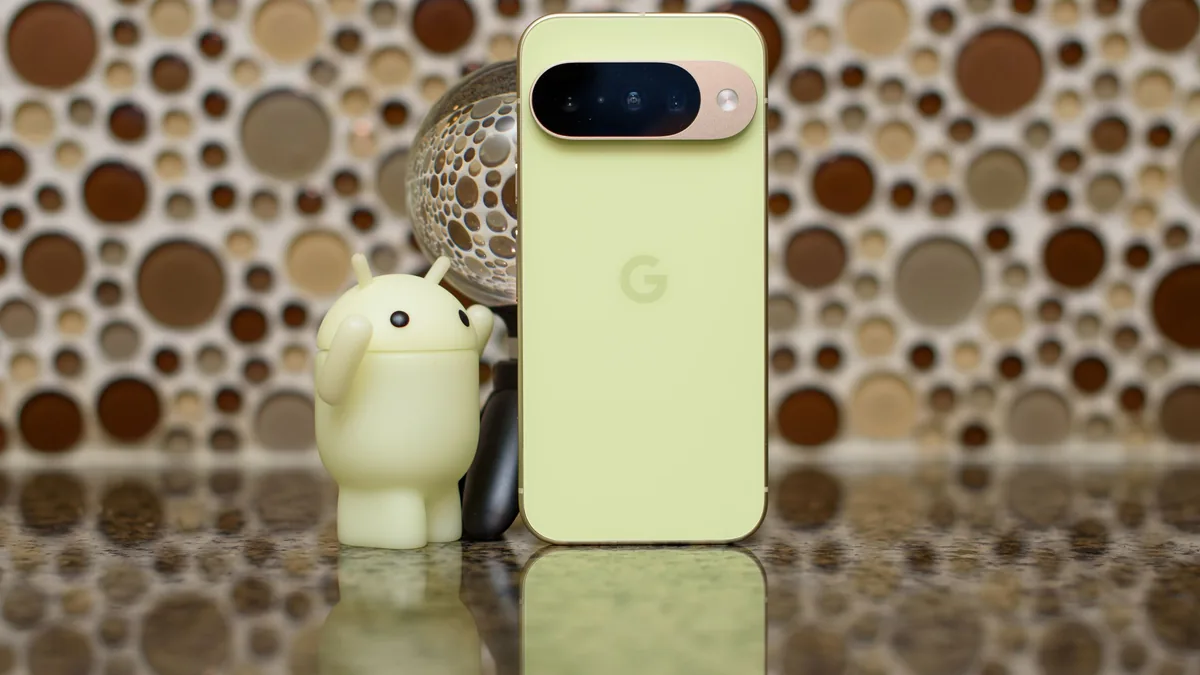
For Pixel owners, software quality has always been part of the bargain. People buy Google's phones expecting quick updates, clean Android, and early access to new features. That also means they feel problems quickly. If a camera app closes at the wrong moment, if the screen behaves strangely, or if the battery slips faster than expected, the Pixel brand takes the blame even when the hardware is strong.
That is why a fix-heavy Android 17 update can be more valuable than a flashy feature drop. It tells users that Google is paying attention to the basics: stable photography, predictable battery life, and display behavior that does not distract from the task. Those are the areas that decide whether someone recommends a phone after months of ownership.
Android Police reported that Android 17 is addressing issues including battery drain, camera crashes, and display glitches. The report frames the update as a practical cleanup pass, which is exactly what a mature phone platform needs after major releases and feature additions.
The battery piece connects with the broader Pixel usability conversation we have covered around small phone tools and Pixel software choices. Google's phones often win on clever features, but those features matter less if the basics feel uneven. Reliability is the quiet feature every user notices.
Camera stability may be the most sensitive area. Pixels are famous for computational photography, and users expect the camera to be ready instantly. A crash during a fast shot damages trust more than a missing experimental AI feature. If Android 17 reduces those failures, it could do more for user satisfaction than another editing trick.
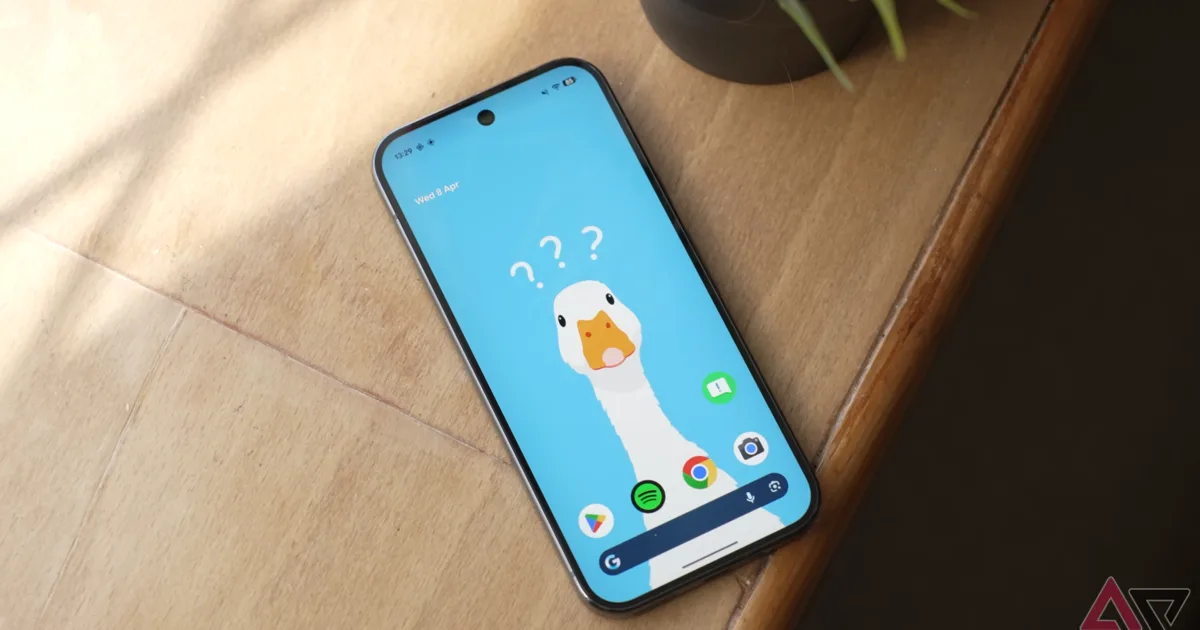
Display fixes also matter because modern phones run complicated panel stacks. Variable refresh rate, adaptive brightness, always-on display, HDR, lock-screen animations, and touch behavior all interact. Small glitches can make a premium device feel rough. Google does not need to reinvent the interface with every update; it needs to make the interface disappear into smooth use.
The bigger lesson is that Android 17 should be judged by stability as much as novelty. Google has added plenty of AI and multitasking ambition to Android, but phone owners still care about the boring things first. If this update makes Pixels last longer, shoot more reliably, and behave better on screen, it is the kind of progress users will feel without needing a keynote slide.
The update also shows why long software support is only meaningful when maintenance quality stays high. Seven years of updates sounds excellent on a product page, but users need those years to include careful fixes, not only security patches and new branding. Android 17 can strengthen confidence if it proves Google is willing to smooth out annoying issues quickly. For many Pixel owners, that ongoing attention is the real reason to stay inside Google hardware instead of switching to another Android brand.