Samsung may be changing the way it thinks about foldable glass. The latest China-side report on the rumored WideFold says the phone could use ultra thin glass that is not as thin as the name implies. That sounds counterintuitive until the tradeoff becomes clear: a thicker cover layer can help the screen look flatter and resist outside pressure better.
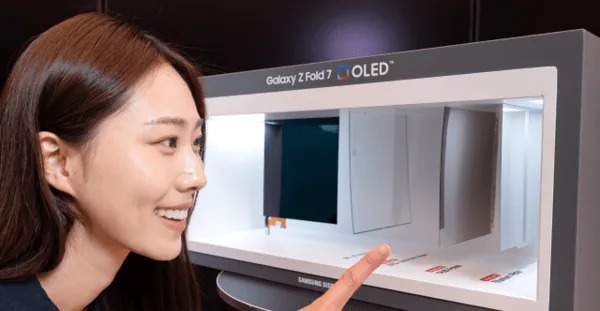
The reported number is roughly 60 microns for the WideFold, compared with about 45 microns for the Galaxy Z Fold8. A difference that small would not sound dramatic on a normal phone, but on a foldable it matters. The cover window is part of a moving display stack, so thickness, bending radius, crease visibility, touch feel, and impact resistance all push against one another.
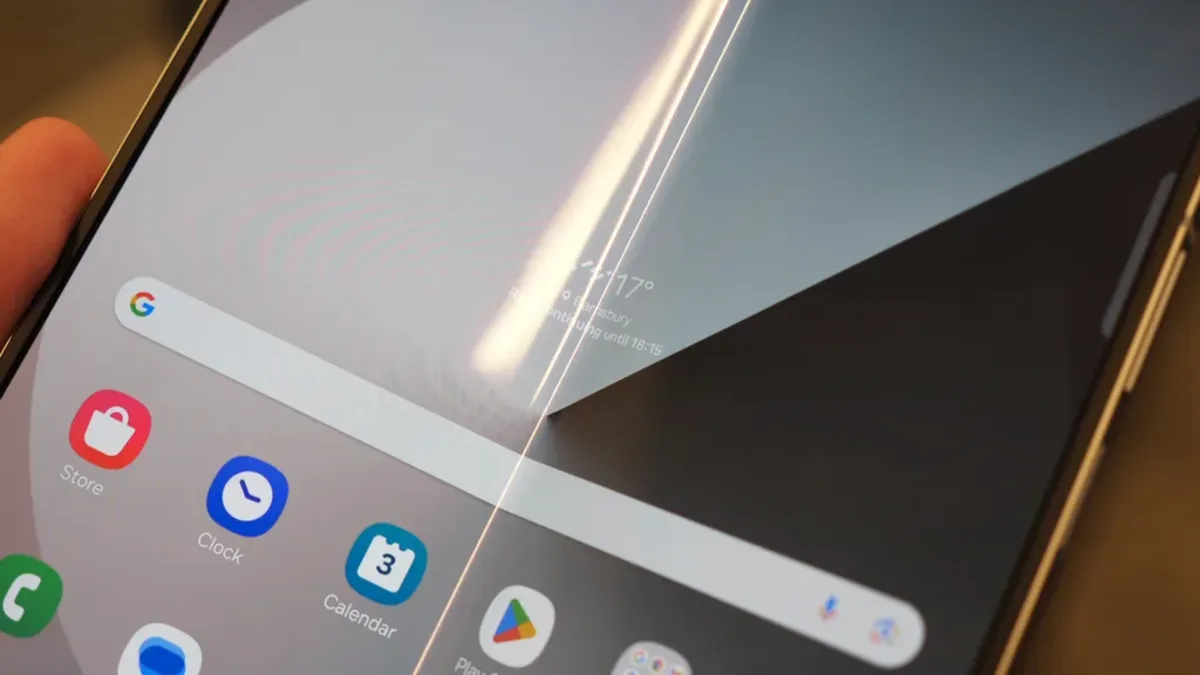
This is the most interesting part of the leak. Samsung spent years making foldables thinner, lighter, and less awkward, but the WideFold may signal a more balanced phase. Instead of chasing the thinnest possible UTG layer, Samsung may be accepting a little more material if it makes the center crease less obvious and the inner screen feel more robust.
CNMO reported the 60 micron claim on June 12, adding that Samsung is expected to prepare three foldable models this cycle: the clamshell Z Flip8, the book-style Z Fold8, and the wider WideFold. The report also says the WideFold uses a 7.6-inch inner display and a shorter, wider passport-like shape.
That wider body matters because it changes what the phone is supposed to be. A narrow book foldable can still feel like an elongated phone when closed. A passport-style model is closer to a pocket tablet, which means users will judge the inner screen more harshly. If the crease is easier to see on a wider canvas, Samsung has more reason to revise the glass stack.
The rumor also lines up with our earlier look at how a wider Galaxy foldable could make Samsung phones feel less cramped. A wider inner panel gives Samsung a clearer productivity story, but it also puts more pressure on the hinge, display film, and app layout. Hardware polish becomes harder to hide.
The business angle is just as important as the engineering. Samsung does not need another foldable that only reassures existing fans. It needs a model that makes undecided premium buyers feel the category is maturing. If the WideFold can look wider, flatter, and sturdier without becoming awkwardly heavy, it gives retailers a cleaner demo story than processor speed or hinge branding ever could. People can see a crease immediately. They can also see when it becomes less distracting.
There is still a risk in thicker UTG. Foldables need to bend thousands of times without creating stress points, and adding thickness does not automatically mean better durability. The hinge radius, adhesive behavior, protective film, and panel construction still decide how the screen ages. The leak should be read as a direction, not a finished verdict.
If Samsung ships the WideFold with a visibly calmer crease, the company could reset expectations for premium foldables. Buyers are no longer impressed by folding alone. They want a display that feels less compromised, especially when the price is high. A thicker UTG layer would be a quiet engineering choice, but it could shape the first impression every time the phone opens.