Xiaomi may be preparing a foldable that is less about being thin and more about feeling complete. A new China report describes a wide book-style engineering sample with a large inner display, a 200MP main camera, a roughly 6000mAh battery, wireless charging, strong water resistance, and a crease-reduction display approach. If accurate, that is not a cautious foldable spec sheet.
The rumored shape is the first clue. A wide foldable is closer to a small tablet than a narrow phone that happens to open. That gives users more room for documents, video, split-screen work, and stylus-like workflows, but it also removes some excuses. A larger inner canvas makes a crease easier to notice and makes app scaling more obvious.
The camera claim is equally aggressive. Foldables often compromise imaging because hinge, battery, and thinness demands take priority. A 200MP main sensor would suggest Xiaomi wants the device judged like an ultra-premium flagship rather than a foldable niche product. That would put more pressure on the camera island, thermal design, and image processing.
ZOL reported the leak on June 12, saying the engineering sample is believed by industry watchers to be connected to Xiaomi and may sit around the ultra-high-end 10000 yuan segment. The report also mentions a 7.5 to 7.6-inch inner screen, a simple runway-style rear camera module, side fingerprint recognition, and possible Xuanjie O3 silicon.
The Xuanjie O3 part is the wild card. If Xiaomi uses an in-house chip in a premium foldable, it would be making a much bigger statement than a standard hardware refresh. Foldables are demanding devices because they need strong multicore behavior, good modem performance, image processing, AI features, and careful power management. A self-developed chip would be examined closely.
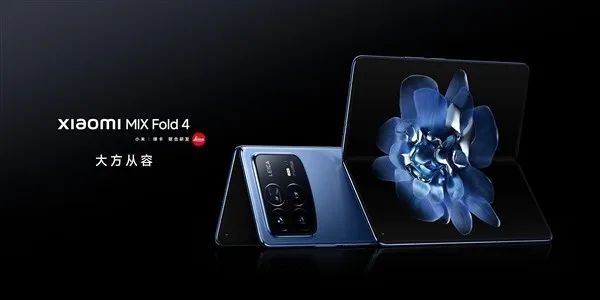
This rumor naturally connects to our earlier Xiaomi MIX Fold 5 price leak coverage. Xiaomi has been circling a more aggressive foldable strategy for months, and a wide model with serious camera and battery hardware would push the company toward Samsung and Huawei rather than simply undercutting them.
Price will decide whether the strategy feels bold or overextended. A 10000 yuan foldable has to survive comparison with luxury flagships, tablets, and even lightweight laptops. Xiaomi can argue that a wider foldable replaces more than one device, but that argument only works if the camera, battery, hinge, screen, software, and accessories all feel coordinated. At this level, one weak subsystem can make the whole product feel experimental.
The productivity accessory mention may be just as important as the camera. A wide foldable needs a reason to exist beyond opening into a larger screen. Keyboard cases, stylus support, desktop modes, or multitasking tools can turn the device into a real work surface. Without those, the hardware risks becoming an expensive reading and video machine.
None of this is official, and engineering samples can change. But the leak points to the right set of battles: crease control, battery life, camera credibility, silicon identity, and productivity accessories. That is where premium foldables will be won. A Xiaomi wide foldable would not need to be the thinnest device in the category; it would need to feel like fewer compromises are left on the table.