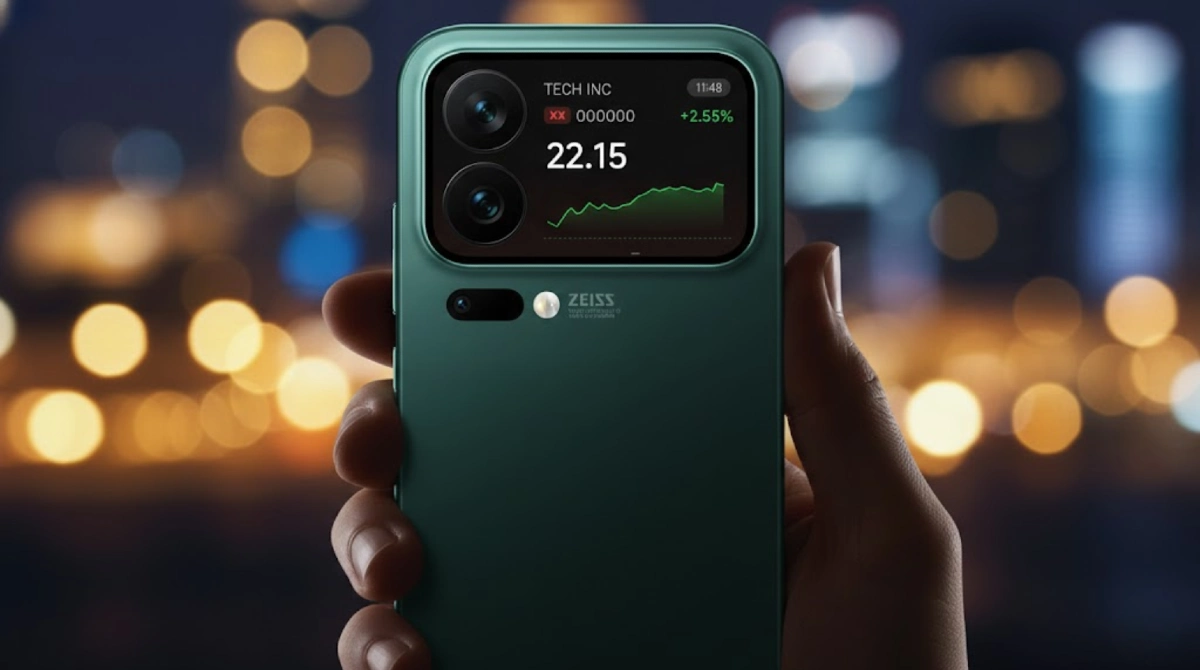
The Xiaomi 18 Pro rear display leak brings back an idea that never fully disappeared: using the back of a phone as more than a camera island. A secondary display can look like a gimmick when it is small or poorly integrated, but it can also solve real problems if it helps selfies, notifications, privacy controls, or quick camera previews.
Xiaomi has already experimented with aggressive hardware ideas, and the company tends to move quickly when it sees a feature that can separate a flagship from the normal glass rectangle. A rear display would be a visible design signal, but the reported privacy angle is what makes the rumor more interesting. The feature would need to be useful without exposing too much information on the back of the phone.
The company is also building momentum in other parts of its phone lineup. Patriotic Tech covered the Xiaomi 17T series and HyperOS 3 push, and a rear-display flagship would sit at the more experimental end of that ecosystem. It would show Xiaomi trying to make hardware design part of its software story.
What a rear display has to prove
The most obvious use case is photography. A rear display lets people use the main camera for selfies, group shots, vlogging, and quick framing without relying on a weaker front camera. That can be valuable if the main camera system is much better than the selfie module. It could also help creators who want the best sensor while filming themselves.
Notifications are harder. A back display can show time, calls, music controls, or charging status, but it should not reveal private messages to everyone nearby. If Xiaomi adds privacy features, it may be trying to prevent that exact problem. The rear screen should be glanceable, controlled, and easy to disable.
Durability is another issue. The back of a phone already carries camera glass, wireless charging hardware, and sometimes textured materials. Adding a screen increases the repair question. Xiaomi would need tough cover glass, smart placement, and a case strategy that does not make the secondary display useless.
The broader point is that flagship phones are searching for visible reasons to exist. More AI features can be copied in software. More megapixels can become confusing. A rear display is instantly visible, but that visibility creates pressure. If it works, it can become a signature. If it does not, it becomes one more novelty that disappears after a generation.
The feature could also change how people think about front cameras. If the rear screen is good enough for framing, Xiaomi could reduce dependence on the selfie camera and let the main sensor handle more personal video. That would help vloggers and callers who care about image quality, though it would require careful ergonomics because holding a phone backward for video is not always natural. Xiaomi could solve some of that with gestures, voice triggers, or camera modes built around the rear display. The privacy-focused claim from XiaomiLeaks gives the idea a more practical angle, because the key is to make the second screen feel like a tool, not a decoration. A small useful control is better than a larger screen that only repeats notifications.