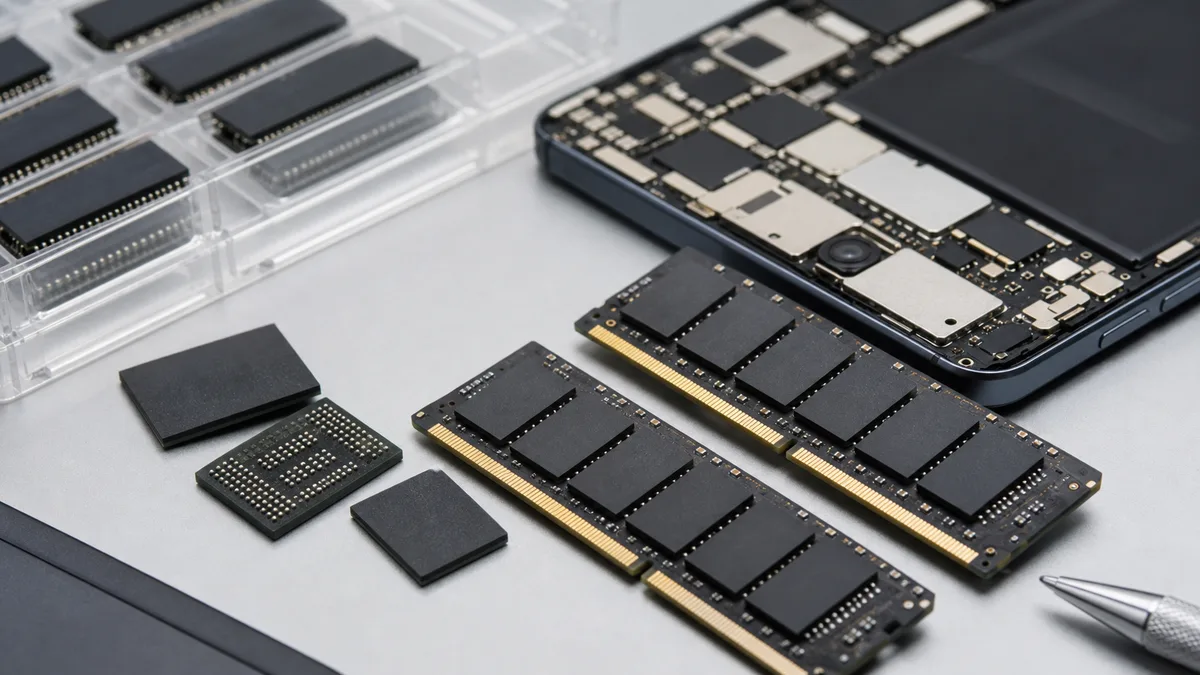
Memory supply used to sound like a background industry issue until it started changing the price of everything people buy. A new Chinese report about large-scale SK Hynix hiring and anxiety among smaller chip companies shows how intense the memory race has become. The story is not only about jobs in South Korea. It is about the component pressure behind phones, laptops, graphics cards, and AI hardware.
SK Hynix sits near the center of the high-bandwidth memory boom, and that boom is being driven heavily by AI servers. When the most profitable demand comes from data centers, consumer device makers have to compete for supply, accept higher prices, or adjust product plans. That can eventually reach a phone buyer choosing between storage tiers.
The hiring angle matters because talent is part of supply. Advanced memory production is not only a factory-capacity question. It also depends on engineers who understand process tuning, packaging, testing, and yield. If a major memory company pulls aggressively from the labor market, smaller firms can feel the strain quickly.
IT之家 reported the SK Hynix hiring wave and the concern it has caused among smaller chip companies. For gadget readers, the key takeaway is that memory is now a front-page component. It can decide whether a phone ships with generous RAM, whether storage upgrades cost more, and whether budget models get delayed.
Why memory keeps showing up in phone news
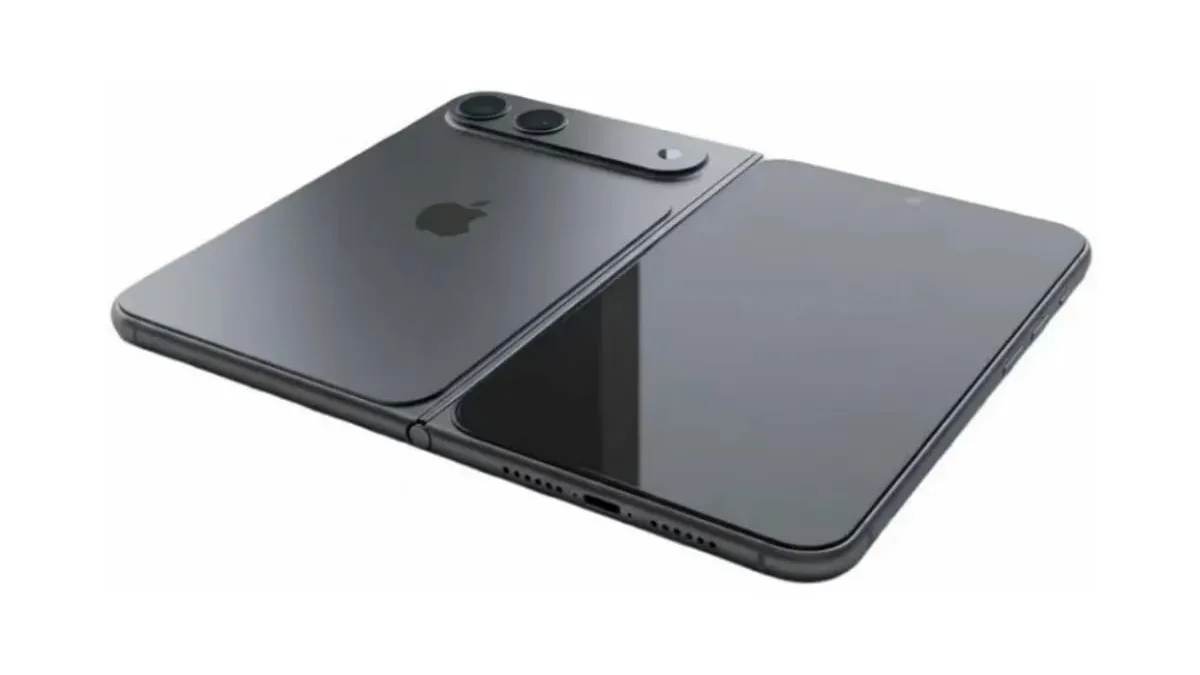
Modern phones need more memory for multitasking, AI features, camera processing, and long software support. At the same time, AI servers are consuming huge amounts of advanced memory. That demand collision makes pricing less predictable. A phone brand planning next year's lineup cannot simply assume RAM and storage costs will behave like they did two years ago.
The pressure is already visible in other stories. CMF's reported phone pause, covered in our CMF memory-cost article, shows how quickly component inflation can hit value brands. Premium devices may handle it with higher prices, but budget devices have fewer escape routes.
Consumers may respond by keeping phones longer or choosing lower storage tiers, but software trends push in the opposite direction. AI features, high-resolution video, offline media, and large apps all reward more memory and storage. That makes the supply-chain squeeze more painful because demand is rising on both the server and device side.
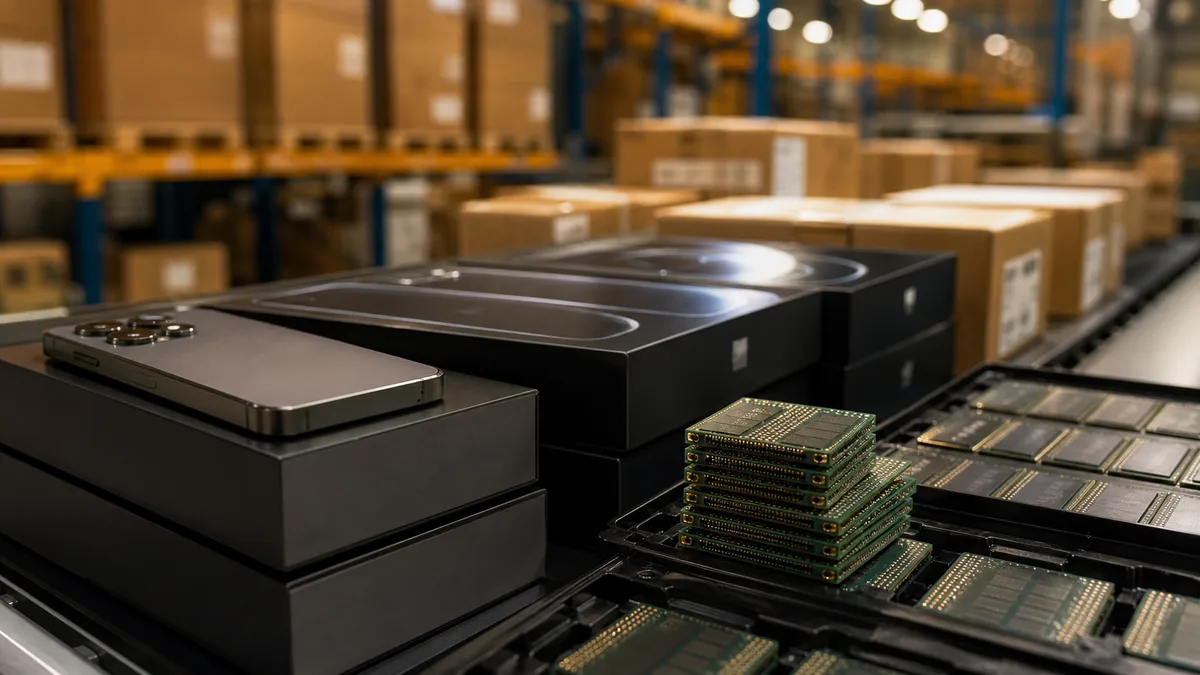
SK Hynix hiring may sound far from a smartphone shelf, but it is connected. The people and fabs building memory today help determine what next year's gadgets cost. When the memory industry becomes more competitive, the effects do not stay inside chip factories. They show up in product pricing, model availability, and upgrade decisions.
That is why a labor-market report belongs in a gadget news feed. Hiring, capacity, and component priority are upstream signals. They help explain why a future phone may cost more, why a storage option disappears, or why a brand delays a launch. The shelf price starts taking shape long before a product page goes live.
For shoppers, the result may be subtle at first: a smaller discount, a less attractive storage tier, or a delayed model. Those small changes are often where supply pressure appears first.