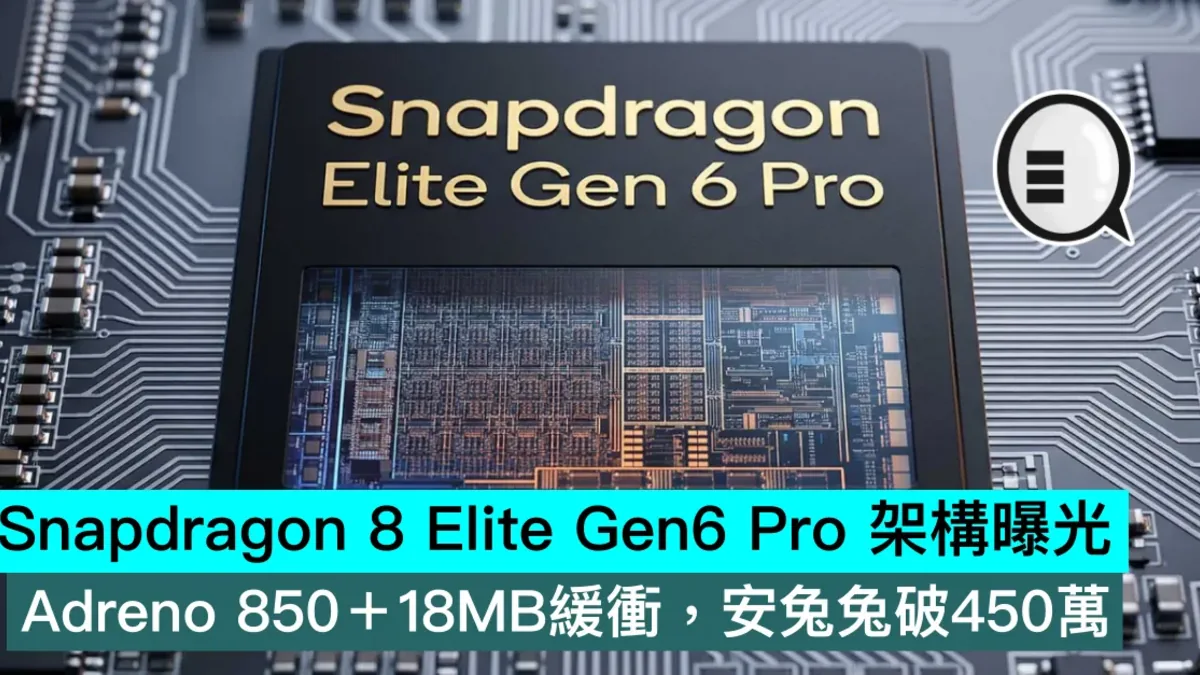
Flagship phone leaks often focus on cameras and batteries, but the chip still sets the ceiling for everything else. A Chinese-language report says details around the Snapdragon 8 Elite Gen6 Pro architecture have surfaced, raising expectations for the next wave of Android flagships. Even before official numbers arrive, architecture rumors shape how brands talk about gaming, AI, imaging, battery life, and heat.
The stakes are higher than benchmark bragging rights. A modern flagship chip has to handle sustained gaming, computational photography, modem performance, on-device AI, video processing, high-refresh displays, and background efficiency. If the architecture improves only peak speed, users may barely notice. If it improves sustained performance per watt, the entire phone can feel better.
This is why chip leaks connect directly to value-focused flagships as well. Our Redmi K90 Extreme leak showed how Snapdragon performance can move into more aggressive price bands. A stronger top chip eventually changes expectations below it, because last year's flagship performance becomes tomorrow's affordable performance target.
Qooah reported the Snapdragon 8 Elite Gen6 Pro architecture leak for a Chinese-reading audience. Qualcomm has not confirmed final commercial details through this report, so the information should be treated as early. Still, architecture leaks are worth following because they help explain why phone makers may redesign cooling, battery capacity, and launch timing around a new platform.
For buyers, the lesson is to avoid judging a chip only by a launch score. The phone built around it matters just as much. A powerful platform in a thin body can throttle quickly. A slightly less dramatic chip in a well-cooled design can feel better after twenty minutes of gaming or video capture. Software tuning and update support also decide how performance ages.
The AI angle will likely dominate marketing. Qualcomm and phone brands will want to claim faster on-device models, smarter camera processing, and more private assistants. Those claims need proof in everyday workflows. A chip that can run impressive demos but drains battery quickly will not feel like progress to normal users.
The architecture leak is early, but it points to a predictable next phase: Android flagships will keep fighting on performance efficiency, not only raw speed. The winning phones will be the ones that turn the chip into longer battery life, better camera consistency, cooler gaming, and AI features that respond without making the device feel overworked.
Phone makers will also use the chip to justify higher prices, so buyers should demand visible results. A next-generation platform should mean faster camera capture, cooler video recording, better signal behavior, longer battery life, or genuinely useful local AI. If the only clear improvement is a larger benchmark number, the upgrade will feel thin. Qualcomm can provide the platform, but brands must turn it into benefits that survive outside a launch slide. The architecture leak is only the beginning of that proof, and the final phones will be the real test. Cooling designs will reveal who used the platform well and who only bought the newest silicon. Efficiency decides credibility.