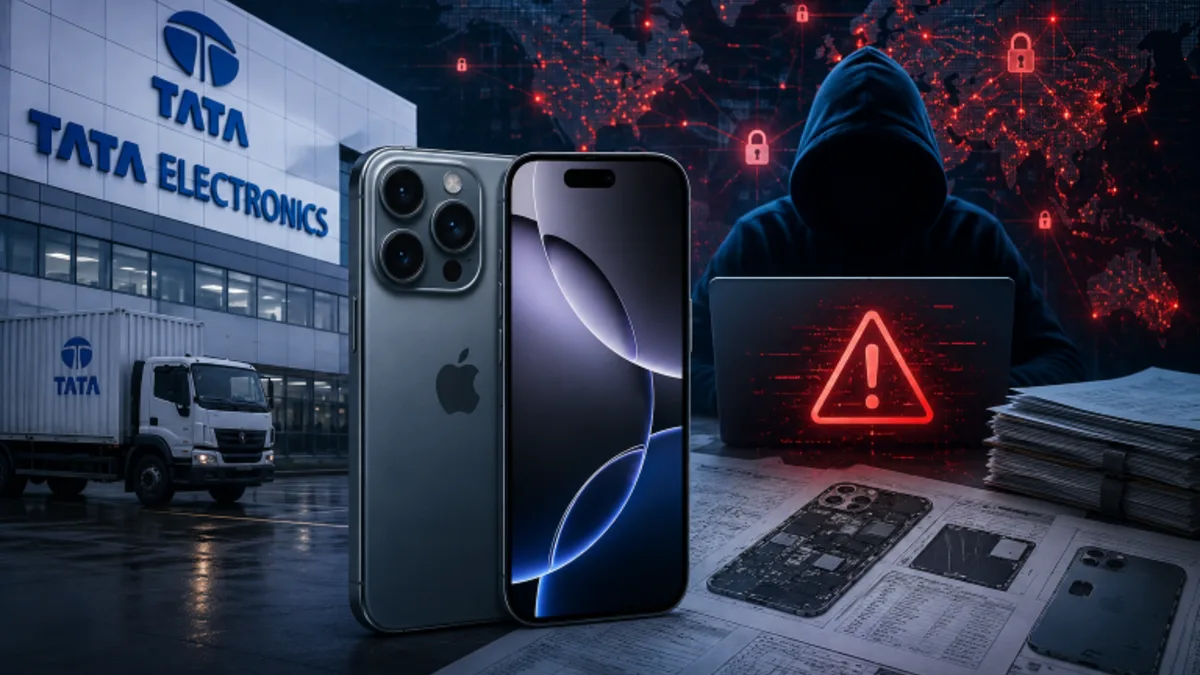
The reported Tata Electronics breach tied to iPhone 18 Pro files is a reminder that Apple secrecy is no longer protected only inside Cupertino. The modern iPhone supply chain stretches across suppliers, regions, tooling partners, and data systems, and every connection can become a leak path.
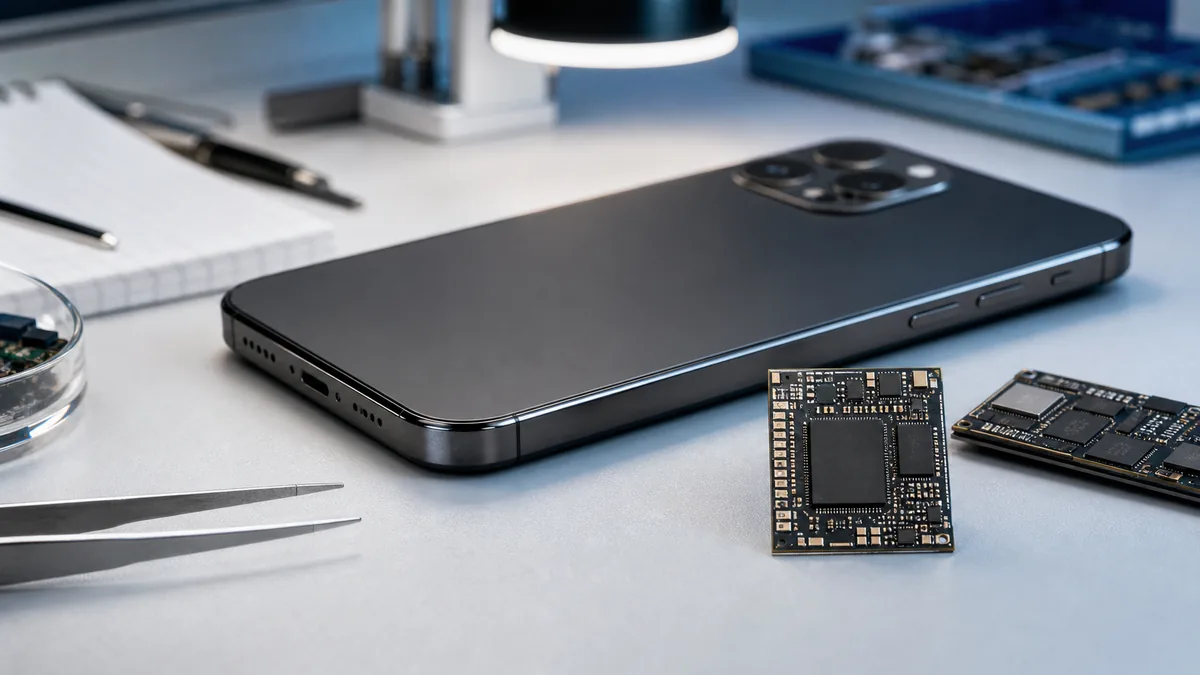
A hardware leak used to mean a photo of a shell or a case mold. A data breach is more serious because files can contain drawings, manufacturing notes, part references, internal naming, and supplier context. Even when details are incomplete, the exposure can show how a product is being built.
The thread also links naturally to our earlier look at the iPhone 18 rumor roundup. For this post, Tata iPhone 18 Pro File Leak Shows Apple Supply Chain Risk Getting Louder makes that connection specific to Vibes Of India: the rumor or report is only useful when it is read beside product timing, component pressure, and the user trust problem around Tata Electronics.
The current report from Vibes Of India reports a large data breach at Apple supplier Tata Electronics and connects it to alleged iPhone 18 Pro files. That source detail gives the article a concrete starting point, but the bigger value is in reading what the report says about the product category around it.
For Apple, the risk is not only surprise being spoiled. Breached design or production files can create counterfeit parts, targeted phishing, supplier pressure, and earlier competitive analysis. For suppliers, a breach can threaten trust and future contracts.
What makes this worth separating from a normal news brief is the way it changes near-term expectations. Tata iPhone 18 Pro File Leak Shows Apple Supply Chain Risk Getting Louder is really about timing, confidence, and execution. A small leak can be forgettable, but a leak that points to supply, policy, capacity, or launch positioning can shape how buyers and rivals prepare.
The story also shows why manufacturing security has become cybersecurity. Access control, data segmentation, contractor permissions, endpoint monitoring, and incident response all matter when product development depends on shared digital assets.
Apple has been diversifying manufacturing, including more work in India. That strategy can reduce dependence on one region, but it also expands the security perimeter. More sites and partners mean more places where sensitive files must be protected.
Another angle worth keeping in mind is audience behavior around Vibes Of India. People following Tata iPhone 18 Pro File Leak Shows Apple Supply Chain Risk Getting Louder are no longer waiting passively for official launch slides; they compare leaks, supplier moves, policy signals, and early pricing clues before deciding what to buy, build, or avoid.
The exact contents and impact of any leaked file set need careful verification. Breach claims can mix real documents, old material, and inflated numbers. The useful lesson is broader: supply-chain secrecy is becoming harder to maintain.
Future iPhone leaks may increasingly come from data exposure rather than factory-floor photos. If that pattern continues, Apple and its suppliers will have to treat product secrecy as a shared security program, not a legal warning.
The practical reading is therefore cautious but not dismissive. For Vibes Of India, the headline is the new development. For readers following Apple, the more durable point is whether the companies involved can turn that development into something reliable, understandable, and worth paying attention to after the first leak cycle fades.