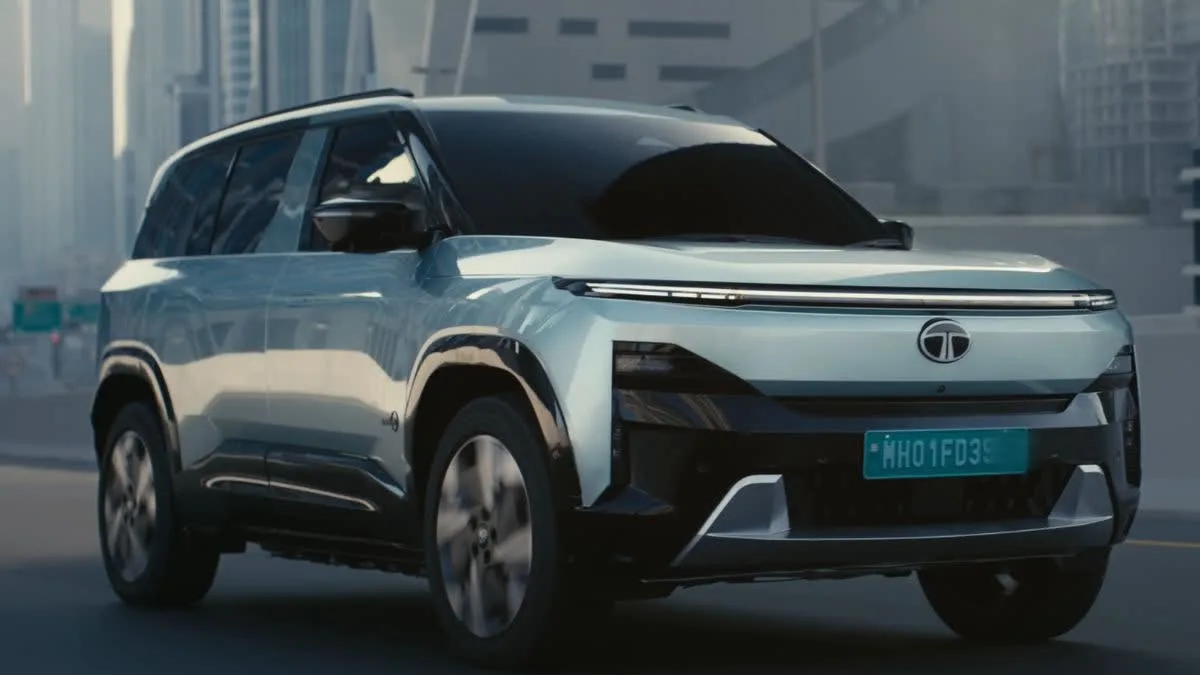
The Tata Sierra EV exterior reveal gives the SUV something every electric revival needs before launch: a recognizable identity. Tata is not only preparing another battery-powered model. It is bringing back a name that carries memory for Indian buyers, then asking that name to work in a market where EV expectations have changed sharply. The outside design is therefore more than styling. It is the bridge between nostalgia and a modern electric SUV pitch.
That bridge has to be strong because the current EV buyer is more informed than the early adopter of a few years ago. Range, charging speed, battery warranty, cabin packaging, and price all matter. But design still decides whether people stop scrolling. A Sierra EV that looks distinctive without becoming impractical can give Tata a sharper position against the growing list of electric SUVs arriving in India.
Tata also has to manage the connection between concept appeal and showroom reality. A dramatic reveal can create attention, but production versions often lose details to cost, regulation, and packaging. We saw a similar tension in our coverage of luxury EVs moving beyond sedans, where the body style itself becomes part of the technology story. The Sierra EV needs to look fresh while still working as a family vehicle.
ETV Bharat reported the Sierra EV exterior design reveal ahead of the June 30 launch and noted that the model could be based on the same platform family as the Harrier EV. That platform link, if accurate, will shape expectations around size, range, and cost.
The Sierra name also creates a design burden. Tata cannot simply put a familiar badge on an ordinary crossover and expect affection to do the rest. The original Sierra had a distinct profile, and modern buyers will look for some echo of that personality. At the same time, the EV version cannot become a retro exercise that sacrifices rear-seat comfort, visibility, or cargo space.
The reveal should therefore be read as the first step in a longer argument. Tata has shown enough exterior character to make the launch worth watching. Now it has to show the numbers and ownership story. Battery capacity, claimed range, charging curve, service network readiness, and introductory pricing will decide whether the Sierra EV becomes a nostalgia headline or a serious electric SUV option.
For Tata, the opportunity is real. India's EV market needs models that feel local, useful, and aspirational without becoming unreachable. If the Sierra EV lands with a strong design, competitive range, and sensible pricing, it could become one of Tata's most important electric launches. The exterior reveal suggests the company understands the emotional side. The launch will show whether the practical side is equally ready.
Dealer readiness will be another practical test. A revived electric nameplate can create showroom traffic, but EV buyers ask different questions than petrol SUV buyers. They want to understand charger installation, road-trip behavior, battery degradation, software updates, and service costs. Tata's launch communication should make those answers simple. If the Sierra EV looks confident on the outside and feels explainable at the dealership, it has a better chance of turning curiosity into bookings rather than just social-media nostalgia.