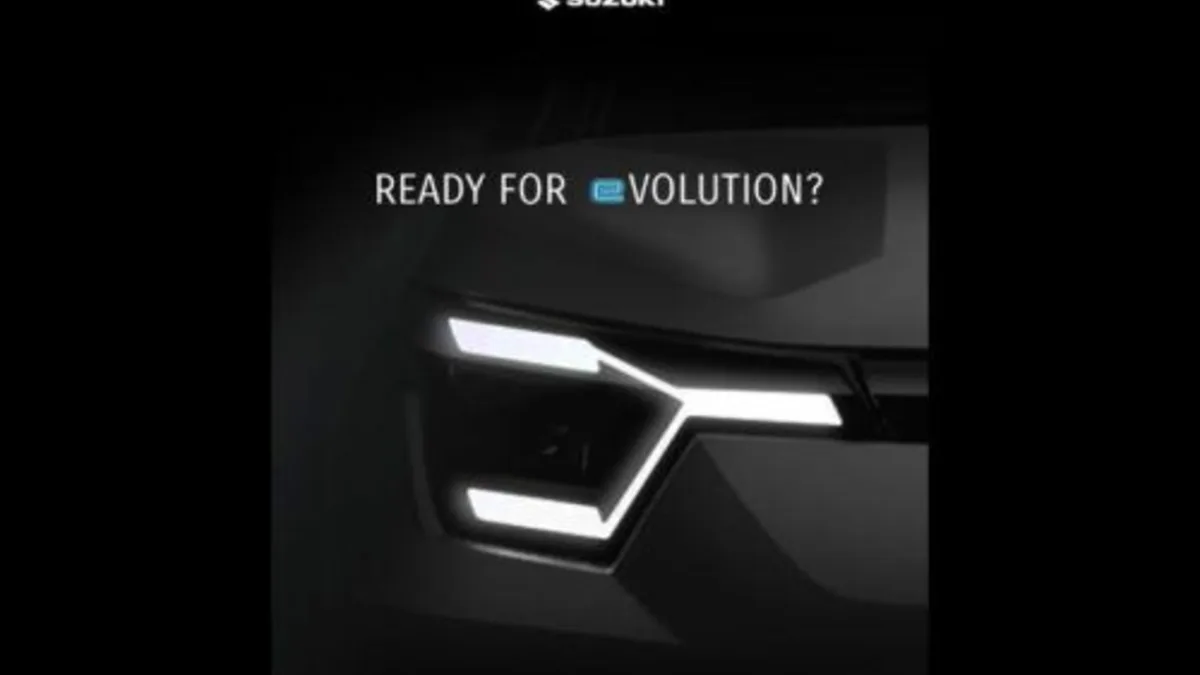
The Suzuki eVITARA teaser for Malaysia is a small signal with a larger market meaning. Compact electric SUVs are becoming the practical center of the EV conversation in many countries. They are easier to sell than tiny city cars because they feel family-ready, and they are easier to price than luxury EVs because buyers expect restraint. Suzuki's first global EV entering more markets would put another recognizable brand into that middle lane.
The eVITARA already has an advantage because Suzuki buyers often value reliability and simplicity. That reputation can help an EV if the company avoids overcomplicating the ownership story. Buyers want to know range, battery warranty, charging options, service support, and whether the car will hold value. A teaser creates attention, but those basics close the sale.
Malaysia is a useful market to watch because EV adoption is moving through policy, charging buildout, and brand competition at the same time. A model like the eVITARA could appeal to buyers who want an electric SUV without jumping to a premium badge. Our coverage of BYD's electrified price strategy showed how quickly value-focused EVs and hybrids can change expectations once buyers see a credible alternative.
Zigwheels reported that Suzuki Cars Malaysia has teased the eVITARA again, hinting at an imminent launch. The report notes a 61 kWh LFP battery pack and a driving range of up to 424 km on the WLTP cycle, while also pointing to the model's relationship with the Toyota Urban Cruiser BEV.
The Toyota connection is important because platform sharing can reduce risk. It lets Suzuki move into EVs without carrying every development cost alone. It can also help with parts availability and production scale if the rollout is managed well. The danger is that shared hardware can make vehicles feel too similar unless each brand tunes pricing, interior features, and service experience carefully.
For Malaysian buyers, price will be decisive. A 424 km WLTP claim is respectable, but real-world range depends on weather, speed, tires, and charging habits. Suzuki will need to explain the practical range clearly and avoid making the car feel like a compliance product. A compact EV SUV should feel usable for school runs, commutes, weekend drives, and occasional longer trips.
The teaser does not answer every question, but it puts Suzuki closer to the EV shelf where mainstream buyers are shopping. If the eVITARA lands with a sensible price and a clear support plan, it could make electric SUVs feel less experimental in Malaysia. That is exactly the kind of quiet shift that helps EV adoption move from early adopters to ordinary households.
The eVITARA will also test how well legacy compact-car brands can translate trust into electric credibility. New EV brands often win attention with screens and acceleration, but established names can win through service reach and familiar ownership. Suzuki should lean into that strength. A simple charging explanation, clear battery warranty, and realistic range guidance would do more for confidence than an overloaded feature list. Mainstream EV buyers usually want fewer surprises, not more spectacle.