Xiaomi's reported internal car-purchase discount is interesting because it turns EV pricing into something more than a consumer promotion. Employee purchase programs can be a retention tool, a loyalty signal, and a way to put more company vehicles into daily use. For a young car business, that matters. Every staff-owned vehicle becomes a rolling feedback device and a brand ambassador.
The Chinese EV market is brutally competitive. Price cuts, limited-time benefits, insurance bundles, and financing offers can appear quickly when brands need momentum. An internal discount is different because it speaks first to employees. It says the company wants its own people to use the product, learn its strengths, and live with its weaknesses. That can be valuable if feedback reaches the product team rather than becoming only a perk.
Xiaomi has already shown that it wants to blend phone-company speed with car-company manufacturing discipline. We covered that ambition from another angle in the Xiaomi car charging robot arm story, where the company was trying to make EV ownership feel more automated. Employee ownership can serve the same goal by exposing small daily problems before the wider market magnifies them.
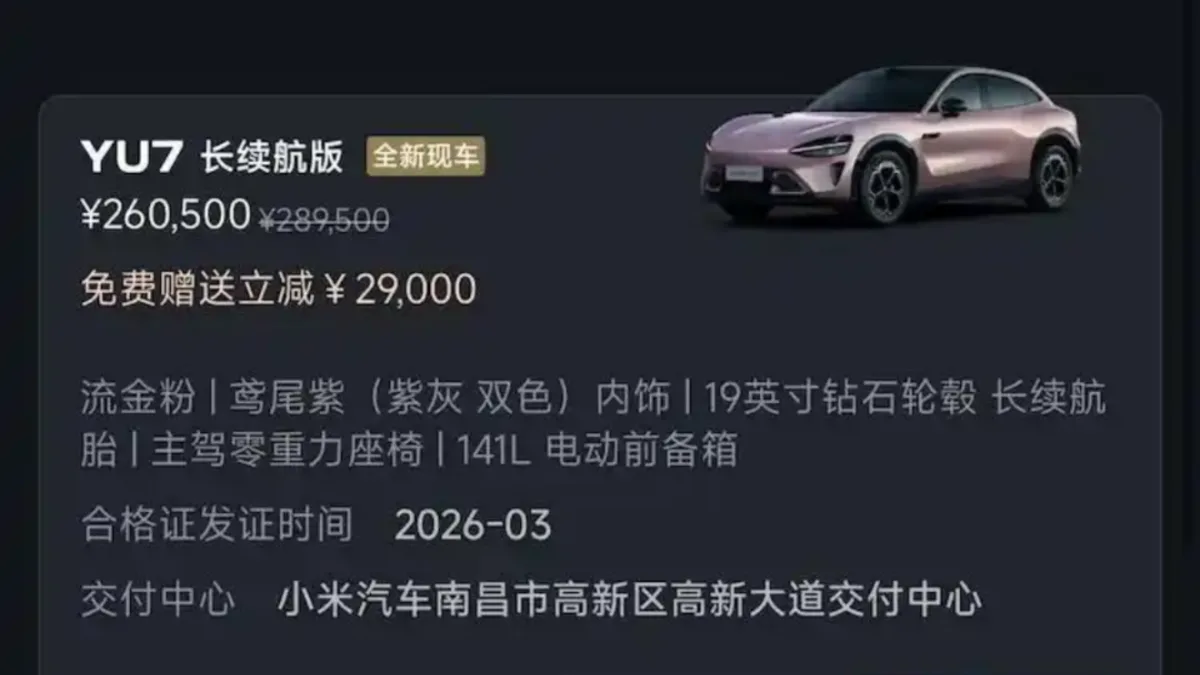
Autohome reported that Xiaomi Auto has introduced an internal purchase discount plan, with staff able to save up to ten thousand yuan on some models. The exact terms and model availability may vary, but the move fits a market where EV brands are using every tool available to keep attention.
There is a risk in employee-heavy demand, however. If too much early volume comes from internal buyers, the company can misread broader consumer appetite. Staff are more forgiving, more informed, and more emotionally invested than normal customers. Xiaomi will need to separate employee enthusiasm from outside-market demand when planning production and pricing.
The discount also highlights a larger question for China's EV sector: how much price pressure can brands absorb before margins become a problem? Buyers benefit from competition, but constant discounting can train the market to wait. Xiaomi has strong brand gravity, yet cars carry different costs than phones. Warranty, service, parts, insurance, and resale all affect the economics.
Handled well, the employee program could help Xiaomi build a tighter product-feedback loop and make staff part of the ownership story. Handled poorly, it could look like just another discount in a market full of discounts. The difference will depend on whether Xiaomi uses the program to learn, not simply to move units.
The internal plan may also help Xiaomi build a more credible service culture. Employees who own the cars will experience appointment scheduling, parts delays, app bugs, charging behavior, and software updates like normal customers. If the company listens, that internal ownership base can become an early warning system. That is more valuable than a simple morale perk. A car brand is built after delivery, not at the launch event, and employee owners can expose the gaps quickly.
It may also strengthen word-of-mouth if employees become knowledgeable owners rather than distant brand representatives. That matters in cars, where a trusted personal recommendation can carry more weight than another launch video.