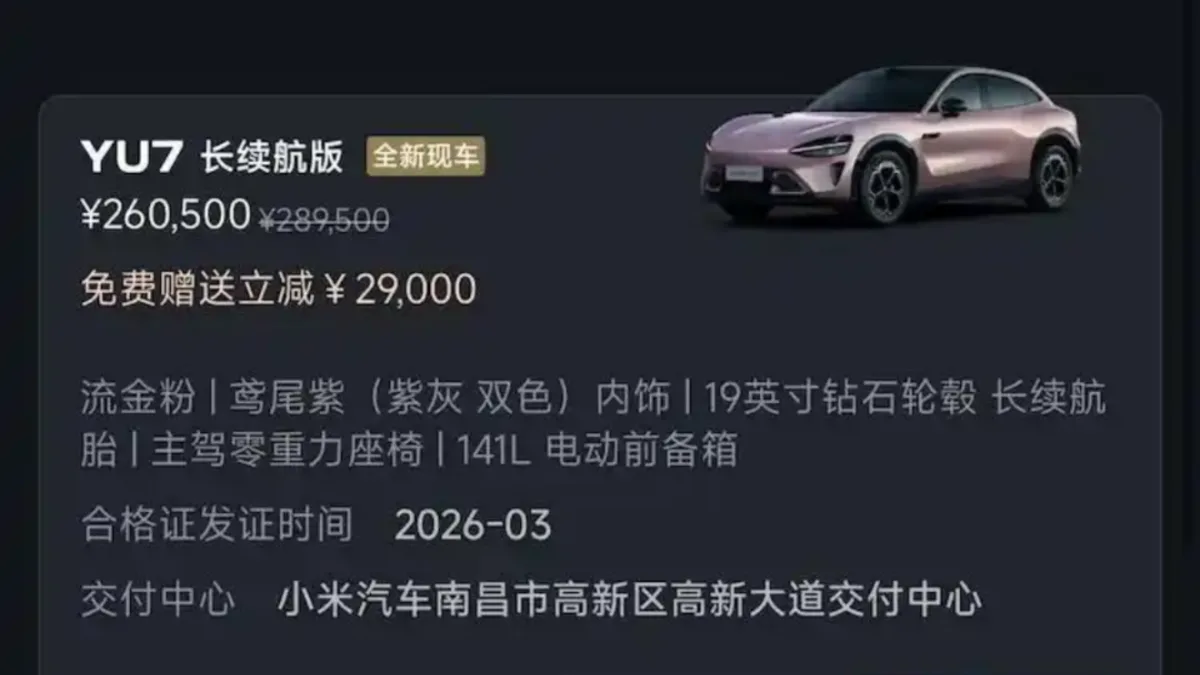
The Xiaomi SU7 has always been more than another electric sedan. It is a test of whether a phone and smart-device company can translate ecosystem instincts into a car people trust. A Europe-ready impression makes that question sharper, because European buyers bring different expectations around service, safety, charging, driving feel, and long-term reliability.
China's EV industry has moved quickly by treating cars more like software-defined consumer products. That creates rapid iteration, bold interiors, aggressive pricing, and strong app integration. But exporting that formula is harder than launching it at home. A car has to survive local regulations, insurance realities, parts logistics, dealer or service networks, and brand skepticism.
This is why the SU7 story belongs beside our coverage of Xiaomi's broader car-tech ambitions. Xiaomi is not merely building a vehicle. It is trying to make the car part of a larger connected-device identity, which could be powerful if the ownership experience holds up.
InsideEVs highlighted the new Xiaomi SU7 video and the sense that the car looks ready for Europe. That matters because public perception often changes when a China-only product starts to feel plausible on roads outside China.
The real test will come after the first wave of attention. European buyers will ask about warranty coverage, crash ratings, software updates, winter range, data privacy, spare parts, and resale value. Xiaomi can win curiosity with design and technology, but it must win confidence with boring operational competence.
If Xiaomi succeeds, the SU7 could become a warning to traditional automakers and a proof point for tech-brand cars. If it stumbles, it will show how difficult car exports remain even for companies with strong consumer recognition. Either way, the SU7 is now part of a larger shift: EV competition is becoming global faster than many legacy brands expected.
Europe will test Xiaomi in ways China cannot. The company will have to answer questions about crash testing, software privacy, winter behavior, parts supply, insurance, service locations, and residual values before the SU7 can become more than an admired import. A good-looking video opens the door, but ownership confidence is built after the camera stops recording.
The phone ecosystem could still give Xiaomi an unusual advantage. If the car works naturally with Xiaomi devices, home products, payments, and cloud services, it can feel familiar to existing customers. The danger is overreach. A car must be dependable first and clever second, especially in markets where buyers expect long warranties and predictable dealer support.
Legacy automakers should treat the SU7 seriously because it shows how quickly software-first car design can travel. Even if Xiaomi takes time to enter Europe fully, the perception shift has already started. Chinese EVs are no longer being judged only by price. They are increasingly being judged by whether they can make established brands feel slow.
Regulators and repair networks may slow the story, but they will not erase the pressure it creates. Every polished SU7 demonstration tells European brands that China-built EVs are learning the emotional side of car marketing, not only the technology side. If Xiaomi can match that presentation with service depth, it will become harder for incumbents to dismiss Chinese entrants as temporary price disruptors.