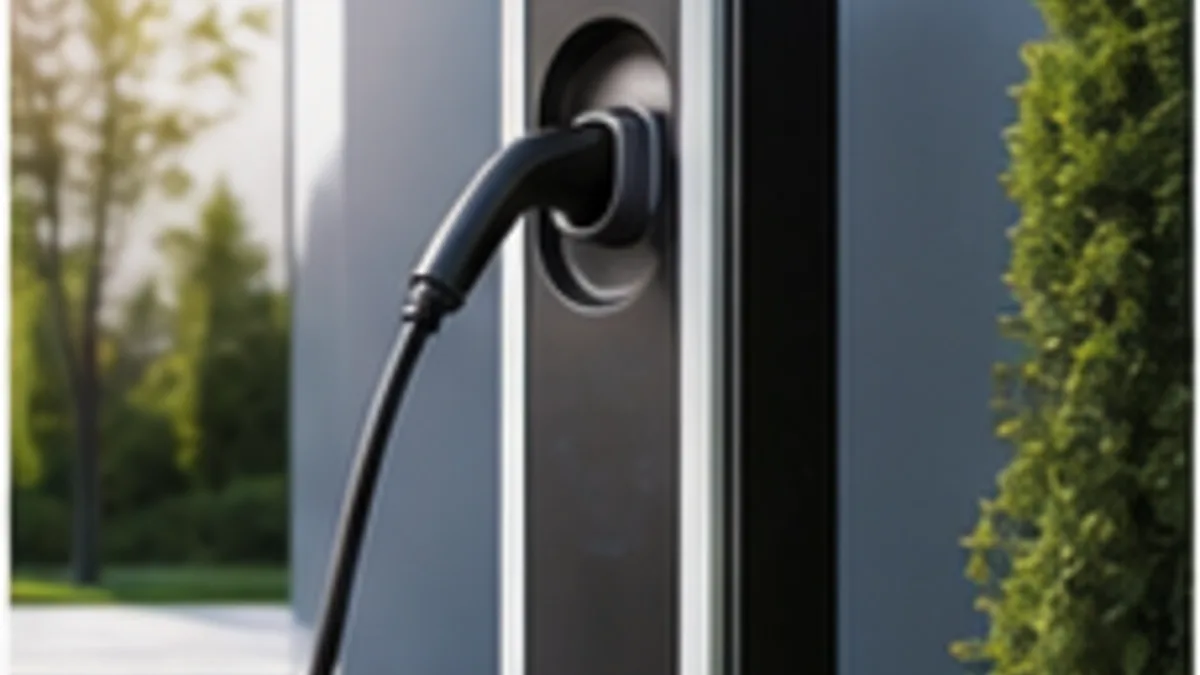
Li Auto's fully automatic charging station is interesting because it targets one of the least glamorous EV problems: the plug. Charging speed gets most of the attention, but convenience matters just as much. If a driver can arrive, park, and let the system handle the connection without getting out, the charging experience starts to feel closer to a service than a chore.
China's EV market is already brutally competitive on range, screens, driver assistance, and price. Convenience is becoming the next battleground. Automatic charging can help premium brands differentiate, especially for drivers who use high-speed charging often or want a more polished experience in bad weather, late-night stops, or busy stations.
This fits with our coverage of robotic EV charging ideas. The industry's direction is clear: charging hardware is becoming smarter, more motorized, and more integrated with vehicle software. The plug is turning into a product-design problem.
ITHome reported that Li Auto's industry-first fully automatic charging station has landed and that its 5C supercharging network has passed 5,000 piles. Those details suggest the company is pairing a showcase feature with a larger infrastructure push.
The hard part is reliability. Automatic charging equipment has to work in heat, rain, dust, imperfect parking positions, and constant public use. A broken robotic connector would frustrate drivers more than a regular cable because expectations are higher. Li Auto will need maintenance discipline and clear fallback options if it wants the idea to scale.
Still, the direction is smart. EV adoption improves when the experience becomes easier, not only when batteries get larger. If Chinese automakers can make charging feel automatic, predictable, and widely available, they will raise consumer expectations globally. The future charging station may compete less on raw kilowatts and more on how little the driver has to think about it.
Automatic charging is appealing because it targets one of the least glamorous parts of EV ownership. Plugging in is simple, but doing it in rain, late at night, in tight parking, or with a busy family routine can still feel like a chore. If Li Auto can make charging feel as effortless as parking, it gives the brand a convenience argument beyond range and screen size.
The system will need reliability more than spectacle. Alignment accuracy, connector safety, payment handling, maintenance, and compatibility across vehicle trims will decide whether owners use it after the novelty fades. A charging station that works 98 percent of the time may still create frustration if the failure happens when the battery is low and the driver is tired.
China's EV market moves quickly because infrastructure, software, and vehicle design are evolving together. Automatic charging shows how the competition is shifting from headline range to ownership comfort. The brands that win may be the ones that remove small frictions one by one until electric driving feels less like a technology choice and more like the normal option.
Apartment living makes the idea even more important. Many EV owners cannot install a private charger, so public or shared charging has to become smoother if adoption is to keep expanding. Automated stations could help residential garages, office parks, and highway stops handle more vehicles with less confusion. Li Auto's challenge is to make that convenience affordable enough to deploy beyond premium showcase sites.