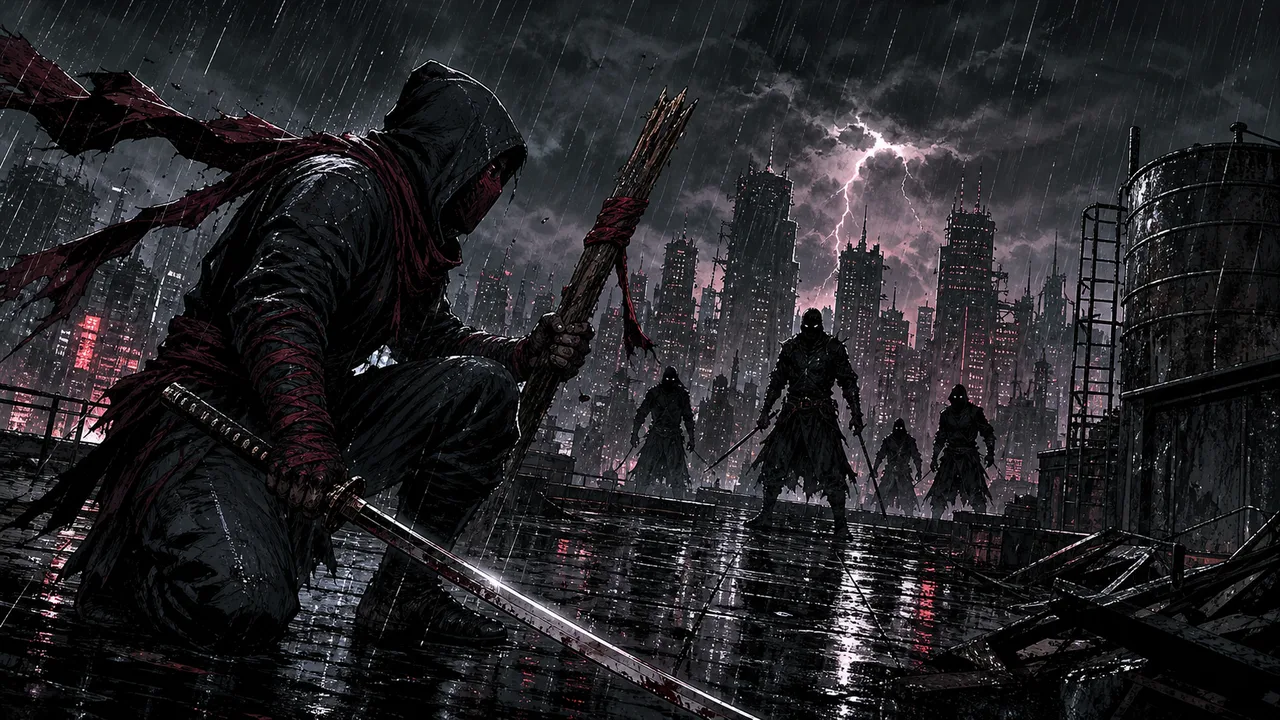
Teenage Mutant Ninja Turtles: The Last Ronin is back in a form that instantly raises expectations. The project has resurfaced under the newly organized Paramount Games Studio, with PlatinumGames attached as developer. That is a major shift from the long silence around the earlier version and a strong creative match on paper. The Last Ronin is darker, lonelier, and more physically intense than the usual TMNT pitch, while PlatinumGames has spent years building fast, stylish action around characters under extreme pressure.
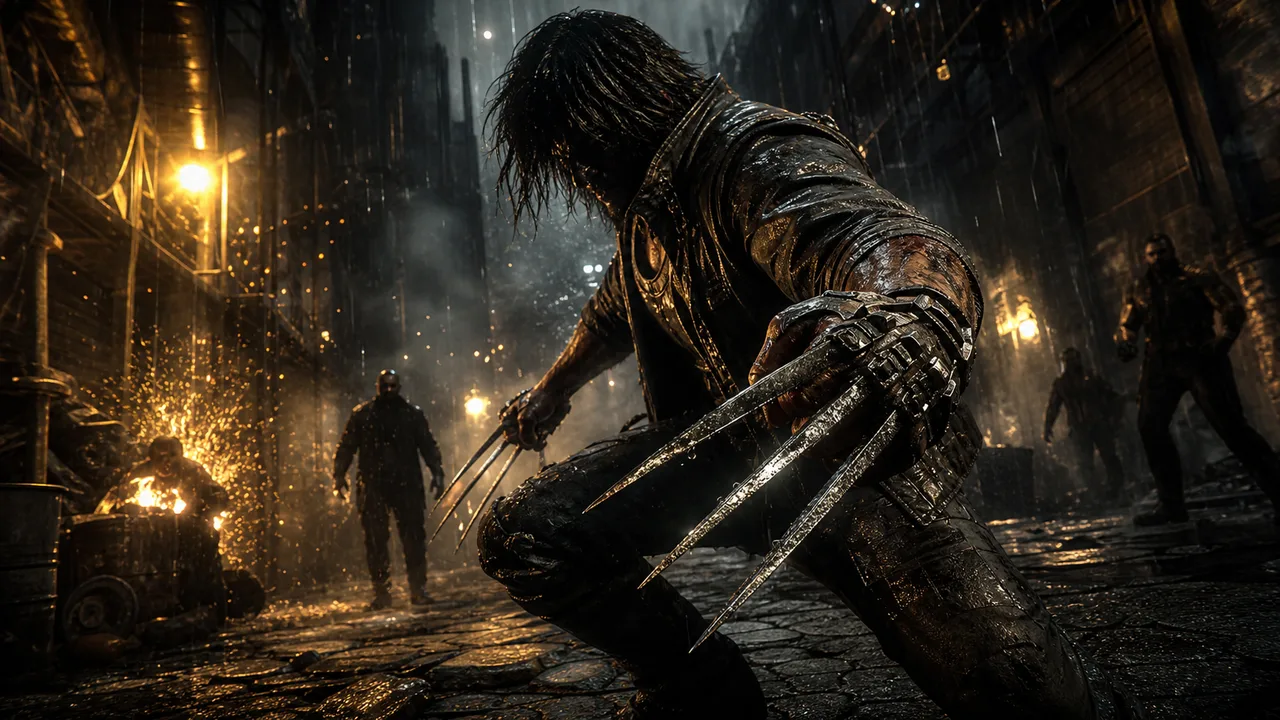
The source material gives the game a sharper emotional base than a standard brawler. The Last Ronin follows the last surviving Turtle in a future New York shaped by loss, revenge, and the Foot Clans long shadow. That premise changes the combat fantasy. This should not feel like four-player arcade chaos. It should feel heavier, more deliberate, and more haunted, with the surviving Turtle carrying the tools and memories of his brothers into fights that are as personal as they are violent.
That does not mean the game should become slow. Platinum's best work often combines speed with readable escalation. The challenge is to make the weapons, traversal, counters, and enemy pressure feel expressive without turning the story into pure spectacle. The Last Ronin needs impact. A dodge, parry, rooftop jump, or desperate combo should feel like survival rather than performance alone.
Entertainment Weekly reported the revived development under Paramount Games Studio, the move to PlatinumGames, and the larger Roninverse push around comics and other media. No release date has been announced, which is probably wise. A game with this tone should not be rushed into a marketing date before the combat loop is visible.
The lack of gameplay footage is the main caution. A strong developer name and a beloved comic can create excitement, but players need to see whether the new version is a linear action game, a semi-open adventure, or something closer to character-action arenas connected by exploration. Each structure would demand different pacing. A tighter campaign could preserve the storys grief. A wider city could make the resistance theme breathe, but only if movement and side content avoid repetition.
The project also arrives while older franchises are being reworked in many directions, from Rayman Legends Retold to Resident Evil Veronica. The Last Ronin is different because it is not trying to recreate a game. It is translating a comic tone into interactive combat. That means the developers have more freedom, but also more responsibility to maintain the source's sense of finality.
If PlatinumGames and Paramount understand that restraint, The Last Ronin could become the rare licensed game that appeals beyond brand loyalty. It has a clean emotional question, a visually strong world, and a developer known for making combat feel authored. The next reveal has to show whether those pieces are actually becoming a game.
Sound and pacing should carry that grief. A quieter New York, a weapon drawn from a fallen brother, or a short pause after a brutal encounter can say more than another wave of enemies. The Last Ronin's violence should feel motivated by memory, not by the need to fill a combat arena.