Bluetooth trackers are no longer just small plastic tags people throw into a bag and forget. The latest Ugreen FineTrack 2 mini hands-on coverage shows a more specialized direction: compact trackers that borrow from lifestyle accessories, seasonal designs, and platform networks while still trying to solve the same simple problem of lost keys, luggage, wallets, and backpacks.
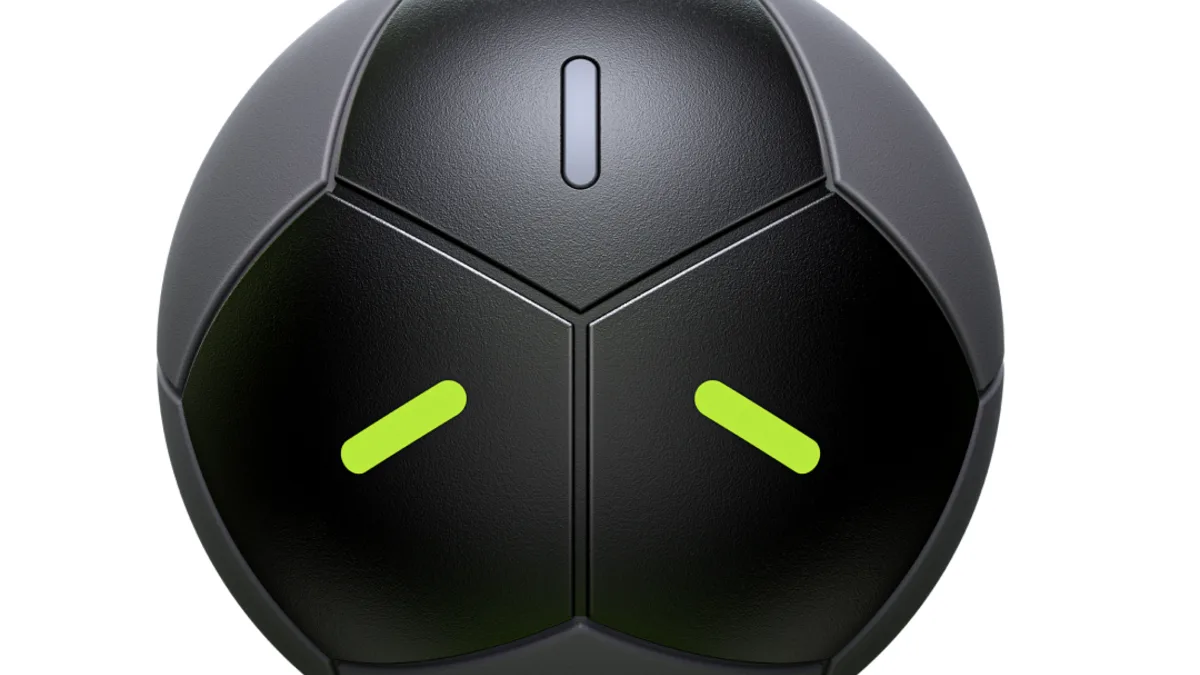
The FineTrack 2 mini is notable because it uses Apple's Find My network and arrives in a small soccer-themed body tied to FIFA interest. That makes it less anonymous than many trackers. Ugreen is not only selling a utility device; it is selling a gadget that can sit visibly on a zipper or keyring without looking like a generic tag. That approach matters in a category where function is often identical across products.
Tracker gadgets also sit in the same practical universe as wearables and small Android accessories. People want devices that disappear into daily routines, but they still care about battery life, speaker volume, pairing reliability, and privacy behavior. A tracker that looks playful but fails at alerting or locating is useless. A tracker that works well but looks cheap may never leave the drawer. That balance is similar to what we see in wearable coverage such as Amazfit training-watch launches, where tiny design choices affect whether hardware becomes habit.
Notebookcheck found the FineTrack 2 mini to be a solid tracking device with long battery life and a reasonably loud speaker, while also noting that it falls short of some advertised expectations. That kind of hands-on nuance is useful because trackers can look perfect on a spec sheet but feel different when tested in a real room, bag, or noisy outdoor space.
The Find My support is the main reason this product can compete. Apple's network gives third-party trackers access to a huge base of nearby devices that can help locate lost items. For iPhone users, that can be more important than a tracker brand's own app polish. The downside is that Android households may need a different product or a cross-platform option, depending on how they manage family devices.
Design themes are also becoming a bigger part of the tracker market. A soccer-ball look may seem minor, but it gives the gadget a reason to exist beyond price. Limited designs, sports tie-ins, and giftable versions can keep a low-cost accessory category moving even when the underlying radio technology changes slowly. Ugreen appears to understand that a tracker can be both practical and collectible.
Still, buyers should care more about fundamentals than novelty. Replaceable battery access, water resistance, attachment strength, app clarity, anti-stalking alerts, and loudness matter every time an item goes missing. A tracker is judged in stressful moments, not during unboxing. If the speaker is too soft or the app is unclear, the cute design will not save it.
The FineTrack 2 mini points to a useful future for tiny gadgets. The best versions will feel personal enough to carry and reliable enough to trust. That is a harder product challenge than it looks, and it is why hands-on testing remains important in a category full of nearly identical promises.