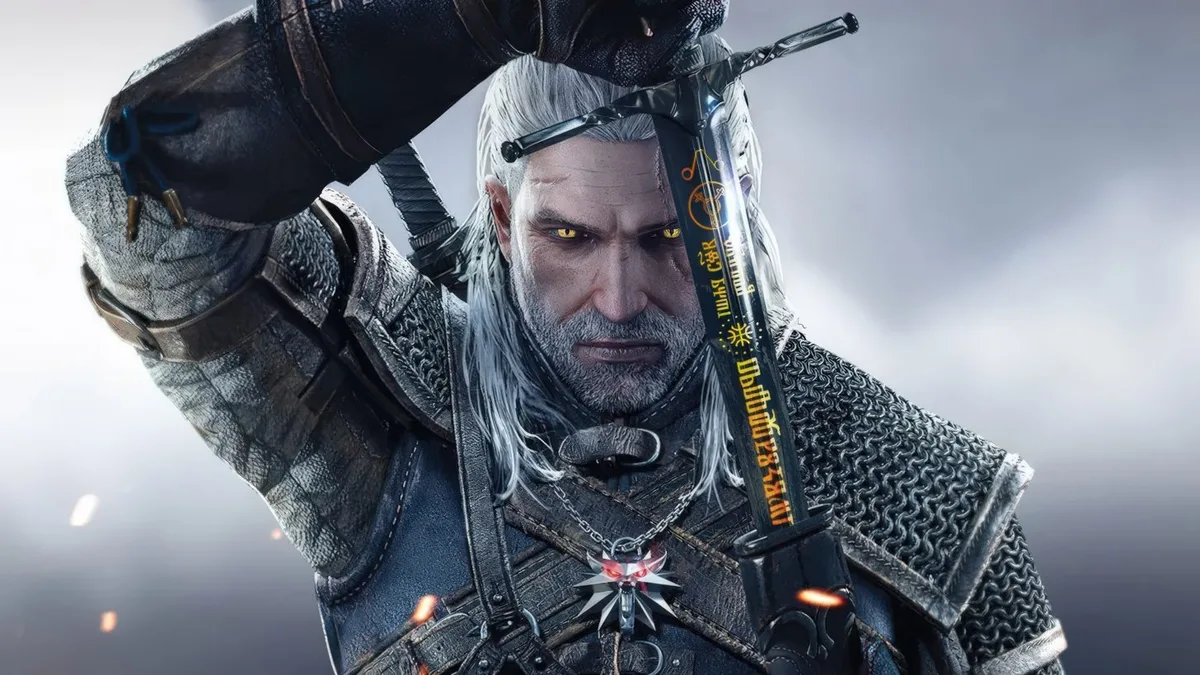
A reported free-to-play co-op Witcher game for PC and mobile would not be a small side note. It would show how major game franchises continue to treat phones as a serious platform, even when their core identity was built on console and PC. The Witcher is especially interesting because it carries a reputation for dense storytelling, mature world-building, and character-driven role-playing. Translating that into a mobile-friendly format is not simple.
The report points to a co-op action RPG set in 1230, with players reportedly creating their own witcher. That idea makes sense for a service game because custom characters fit repeatable missions and shared progression better than forcing everyone to play as Geralt. It also gives CD Projekt RED a way to use the universe without competing directly with the mainline Witcher RPG experience.
Wccftech reported that MP1st has details on an unannounced free-to-play co-op Witcher action RPG for PC and mobile devices. The story says players could create their own witcher and take on monster-hunting missions, which would fit a repeatable multiplayer structure if the design is handled carefully.
The mobile angle is where the risk rises. Phones can support serious games, but free-to-play design often creates tension with beloved franchises. Fans will worry about energy systems, aggressive cosmetics, progression gates, and simplified combat. CD Projekt RED would need to prove that a mobile-accessible Witcher game can respect the world rather than using the name as a skin over generic monetization.
We have seen hardware and platform strategy shape gaming coverage on this site, including the way Gears of War E-Day puts Xbox back on home ground. The Witcher report points in a different direction. Instead of one console identity, it hints at a franchise trying to live across PC and mobile at the same time.
A co-op Witcher game could work if it leans into preparation, contracts, monster weaknesses, and class-like builds. The fantasy of being a witcher is not only swinging swords. It is researching a creature, choosing oils or signs, reading the environment, and surviving a job that regular people cannot handle. Those pieces could translate well into cooperative missions if they are not flattened into button-mashing.
The setting also gives the developers flexibility. A younger era can introduce new schools, regions, and conflicts without constantly explaining where Geralt is. That is valuable for a live game because it can grow through seasonal stories, new contracts, and new enemy types. The challenge is making that growth feel authored instead of disposable.
For now, the report should be treated as unconfirmed. Still, it reflects a broader industry truth: phones remain too large to ignore. Premium franchises may prefer the prestige of console and PC, but the audience size and daily engagement of mobile are tempting. The real test is whether The Witcher can enter that space without losing the weight that made the series matter.
The best outcome would be a mobile game that respects short sessions without making the world feel shallow. Monster contracts, crafting, and co-op hunts could fit phones if missions are focused and progression is fair. The worst outcome would be a familiar fantasy brand wrapped around timers and currencies. That is why early design details matter more than the platform list.