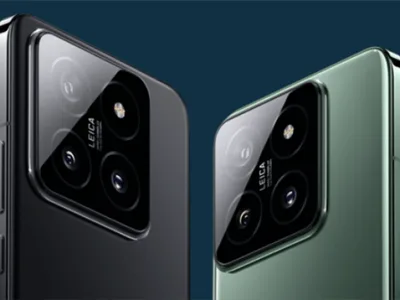
A rumored Xiaomi 14 battery upgrade service is more interesting than a normal repair story because it points to a new way phone brands can keep older flagships relevant. The smartphone market is dealing with higher component costs, slower replacement cycles, and buyers who do not want to pay flagship prices every year. If Xiaomi can offer a larger or refreshed battery path for existing Xiaomi 14 owners, the company gets a service story that feels practical instead of purely promotional.
The reported clue centers on re-filed or newly listed device information that appears to match the Xiaomi 14 family while showing battery-related changes. That does not automatically confirm a consumer program, but it fits a pattern. Battery health is one of the main reasons people replace phones that otherwise still feel fast. A carefully managed upgrade service can extend the useful life of a premium device without forcing users into a full new purchase.
ITBear reported the Xiaomi 14 re-filing and possible battery service angle, including the idea that upgraded capacity could improve endurance while changing charging behavior. For owners, the most important question will be whether the service is official, affordable, and available beyond a limited repair-channel experiment.
This connects naturally with our coverage of big-battery phone pressure, including the Redmi K100 Pro leak. New phones are pushing battery capacity hard, which makes older flagships feel weaker even when their chips and cameras remain strong. A battery upgrade gives brands a way to answer that pressure without asking loyal customers to abandon a device they still like.
The service would also be a clever response to sustainability expectations. Phone makers often talk about environmental goals, but the most meaningful move is extending the device life people already paid for. A battery replacement or capacity upgrade is easier to understand than abstract carbon language. It also builds trust because customers see a brand supporting hardware after the sale.
The unknowns matter. Xiaomi would need to handle safety certification, charging calibration, warranty terms, and store availability carefully. A battery service cannot feel like a grey-market modification. If the program becomes real and is executed cleanly, it could become a model for other brands facing the same market problem: customers want fresh endurance, but they do not always want a fresh phone.
There is a business advantage for Xiaomi as well. A customer who visits an official store for a battery upgrade is still inside Xiaomi's ecosystem. The company can inspect the phone, sell accessories, explain software features, and keep the user connected to the brand. That is better than losing the owner to a third-party repair shop or a rival phone during a frustrated upgrade moment. Service programs also create goodwill in enthusiast communities, where people remember which brands supported older devices and which brands treated them as finished sales. If Xiaomi prices the service fairly, it could turn maintenance into marketing. The phone industry often spends heavily to attract new buyers, but keeping existing owners happy may become just as important as component prices keep pushing new flagships upward.