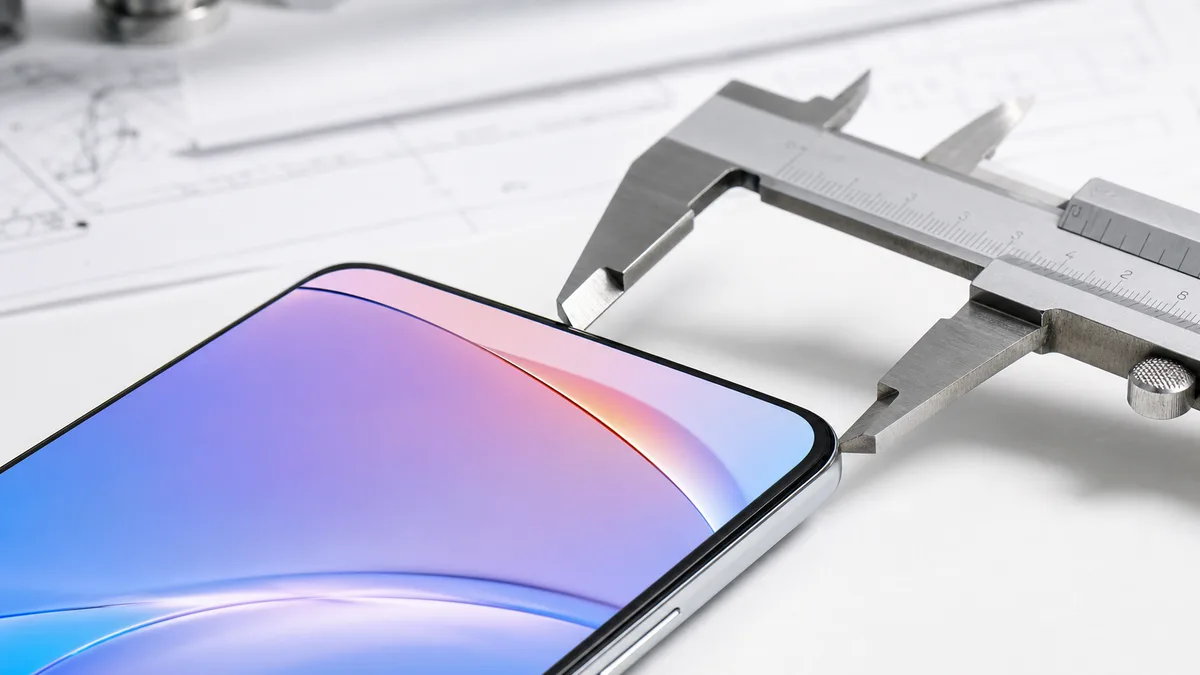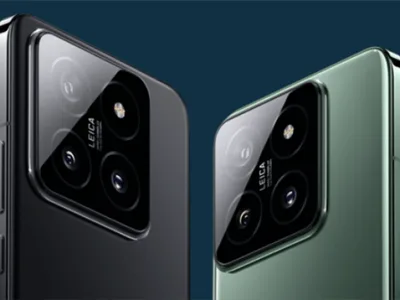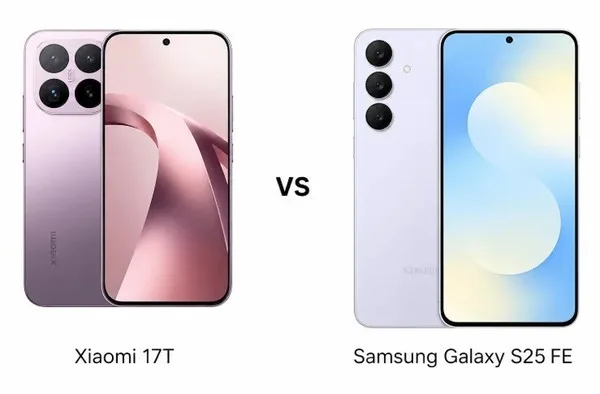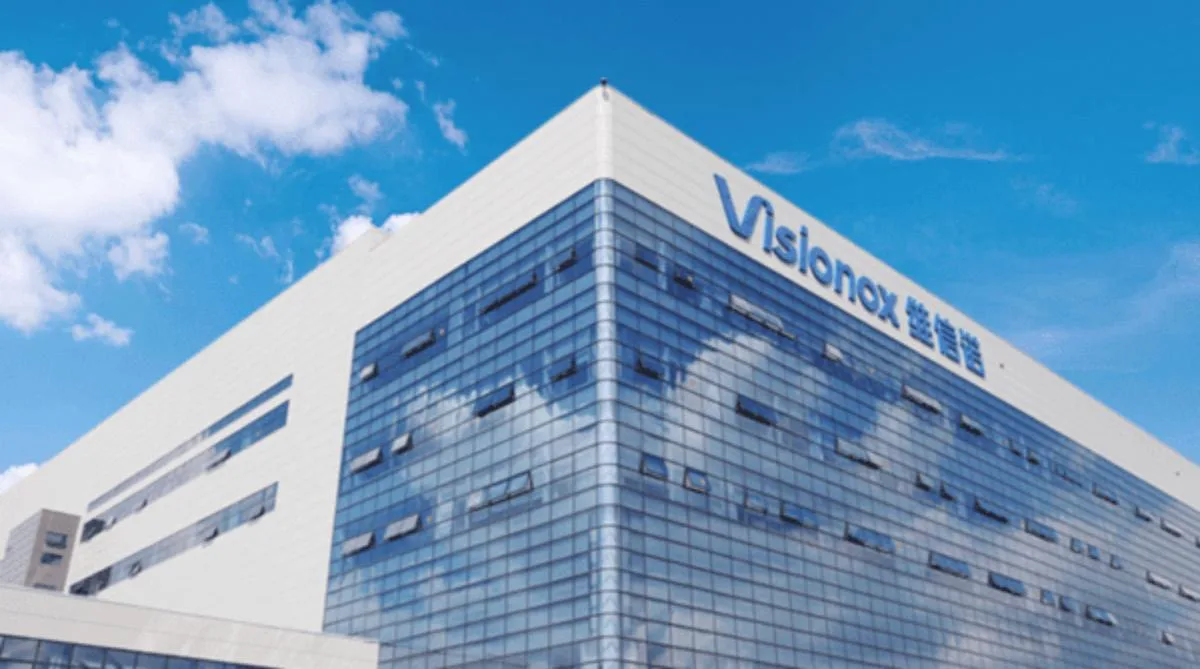
The reported ViP OLED work between Visionox and Xiaomi is worth attention because it is not limited to one product. A display technology that can move across watches, phones, and 3D glasses suggests Xiaomi may be thinking about screens as an ecosystem layer rather than separate component decisions. That matters as devices become more connected and more dependent on efficient, bright, thin panels.
OLED improvements often sound technical until they show up in battery life, outdoor visibility, thinner bodies, and lighter wearables. The reported ViP approach is said to improve aperture ratio and reduce power use, which would be valuable across product types. A smartwatch needs efficiency because it is small. A phone needs brightness and cost control. Glasses need low weight and low heat. One display roadmap touching all three categories could give Xiaomi more consistent hardware behavior.
安兔兔 reported that Visionox is developing ViP OLED panels for Xiaomi products including smart watches, phones, and 3D glasses, with shipments possibly starting this year. The report also mentions efficiency gains, making the leak more specific than a vague supplier rumor.
This sits beside our coverage of Xiaomi wearable battery life. Wearables live or die by display efficiency because the screen is one of the few parts users notice constantly. If Xiaomi can use a more efficient OLED stack across watches and glasses, it can make always-on features less punishing while preserving the bright look buyers expect.
The phone angle is also important. Smartphone displays have become excellent, but they are expensive and power-hungry at the high end. A panel that improves light output without raising power draw gives phone makers room to improve sunlight readability, HDR, or battery life. Xiaomi competes aggressively on value, so any supplier advantage that lowers cost or improves efficiency can become a marketing point quickly.
The glasses mention may be the most forward-looking part. Smart glasses need displays that are bright, light, and comfortable enough for repeated use. If Xiaomi is already aligning display technology across product categories, it may be preparing for a future where the phone, watch, and glasses share more interface logic. The leak is not a product launch, but it shows the kind of component planning that can shape several launches at once.
Supplier diversity is another reason this leak matters. Display panels are strategic parts, and brands that can work closely with domestic suppliers may move faster on custom sizes, power targets, and production schedules. Xiaomi does not have to own every piece of the stack to benefit from a tighter panel relationship. If Visionox can deliver a display process that scales across small and medium devices, Xiaomi gains leverage in product planning. The company can align brightness behavior, color tuning, and power goals across categories rather than treating each device as a separate engineering island. That could make future Xiaomi products feel more consistent. The user may never know the panel acronym, but they will notice if the watch lasts longer, the phone stays bright outdoors, and the glasses feel lighter.