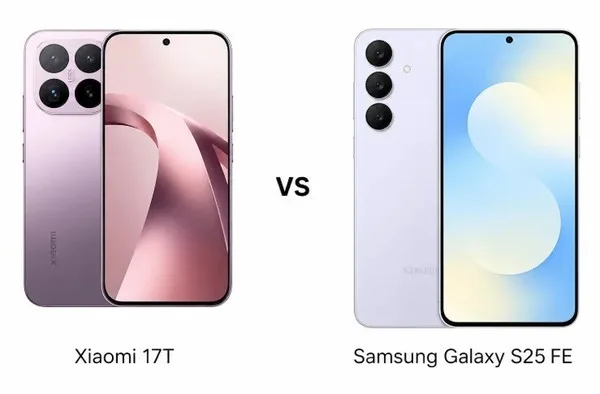
The Xiaomi 17T and Samsung Galaxy S25 FE appear to represent two very different definitions of Android value. One leans into battery size, charging speed, display brightness, and camera range. The other leans into update policy, wireless charging, ecosystem familiarity, and a lower expected price. That split is useful because it shows where the market is heading.
Xiaomi seems to be treating the 17T like a spec-forward device for buyers who want numbers they can feel immediately. A bright AMOLED panel, a large battery, faster wired charging, and a stronger telephoto setup are easy to understand. Samsung, by contrast, appears to be making the S25 FE more of a long-term ownership argument.
Neither strategy is automatically better. A buyer who games, travels, and records a lot of photos may prefer the Xiaomi route. A buyer who keeps phones for five years and wants steady Android updates may prefer the Samsung route. The interesting part is that both phones could be priced close enough to make the tradeoff visible.
CNMO summarized a comparison that places the Xiaomi 17T with a 6.59-inch AMOLED screen, 1268 by 2756 resolution, 120Hz refresh rate, 3840Hz PWM dimming, 3500 nit peak brightness, Dimensity 8500 Ultra silicon, a 6500mAh battery, 67W charging, and a 50MP periscope camera with 5x optical zoom.
The same report puts the Galaxy S25 FE on a 6.7-inch Dynamic LTPO AMOLED 2X panel with adaptive refresh and HDR10+, Exynos 2400 power, a 4900mAh battery, 45W wired charging, 15W wireless charging, a 3x telephoto camera, and seven years of Android updates. It also suggests Xiaomi may cost about 60000 Indian rupees, while Samsung may sit around 50000 rupees.
That pricing gap is the key. Xiaomi is asking buyers to pay more for bigger hardware advantages. Samsung is asking buyers to accept less battery and zoom reach in exchange for lower cost, update length, and wireless charging. Our earlier Xiaomi 17T series coverage already showed how big batteries are becoming central to the brand story.
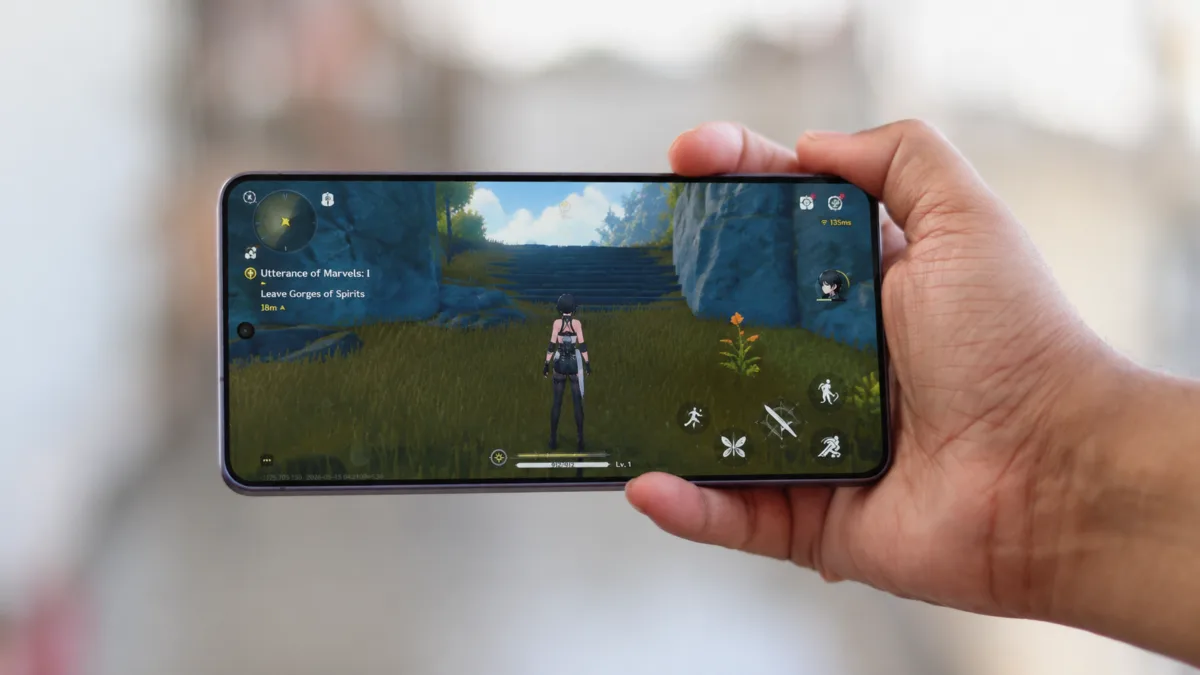
The display comparison is not as simple as it looks. Xiaomi has the brightness and PWM numbers that appeal to spec readers. Samsung has LTPO behavior and HDR familiarity that may matter more in daily use. The winner will depend on calibration, automatic brightness, outdoor readability, and whether the panel stays comfortable at low light.
The camera comparison also shows how differently the two companies read the audience. A 5x periscope lets Xiaomi promise more creative reach for concerts, travel, portraits, and distant street scenes. Samsung may counter with steadier processing and a more predictable camera app, but a weaker telephoto number is harder to defend in a side-by-side chart. In this band, perception forms quickly because buyers often research by comparing a few obvious spec lines.
For Samsung, the S25 FE has to feel more polished than the numbers suggest. For Xiaomi, the 17T has to make its higher price feel earned every day. The comparison is a good reminder that Android buyers are no longer comparing only processor names. They are comparing charging habits, update lifetimes, camera focal lengths, screen comfort, and the cost of keeping a phone for years.