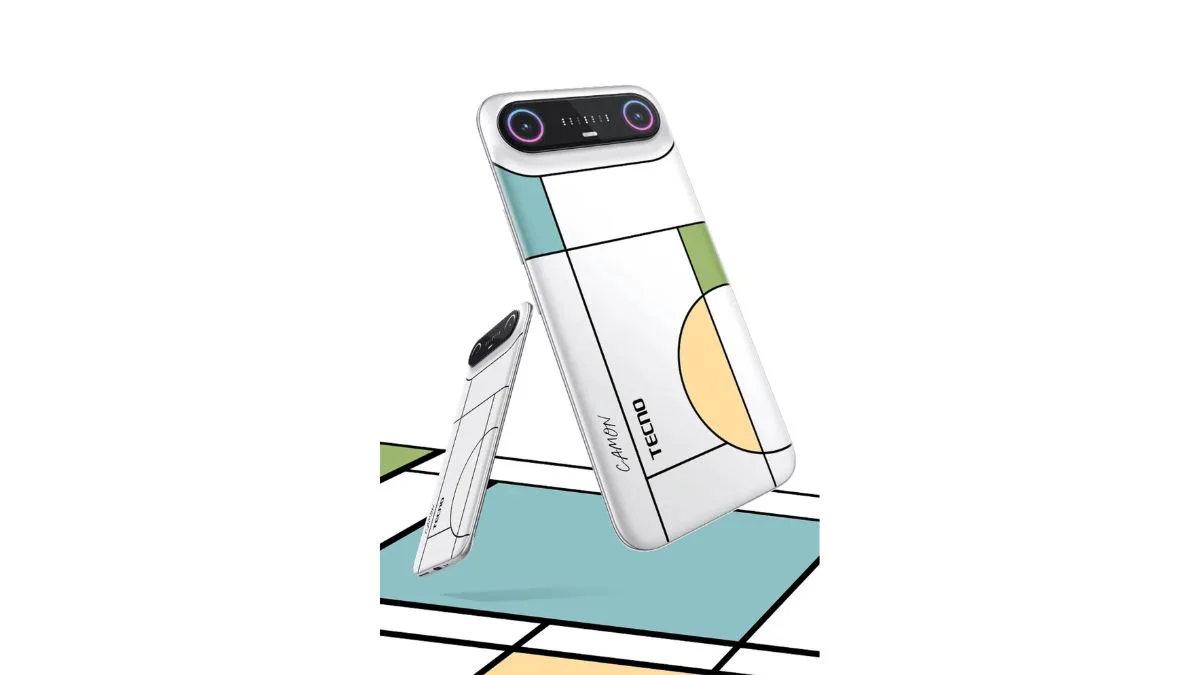
The latest CAMON Slim leak is interesting because it does not chase the usual budget-phone checklist first. The early image shared online points to a phone built around feel, profile, and visual restraint, with the name doing a lot of the positioning before TECNO has even made a formal launch announcement. Thin phones are difficult to sell honestly in 2026 because buyers already expect big batteries, bright displays, and cameras that do not look like afterthoughts. That is why this leak matters: it suggests TECNO may be trying to make slim design feel practical rather than fragile.
The reported details place the phone in a busy part of the Android market. The CAMON line is usually expected to balance camera styling with reachable pricing, but the Slim branding adds a clearer identity. If the reported 6.39mm body is close to final, TECNO will need to explain how the frame handles heat, grip, and durability. A thin phone can look premium in a render and still feel compromised if the battery shrinks, the camera bump becomes awkward, or the side rails become too sharp for everyday use.
The first-look report from The Tech Outlook ties the design leak to earlier certification activity, including references to a large battery class and fast charging. That combination is what makes the rumor more than a pretty picture. A slim phone with a small battery is easy; a slim phone that can still survive a long day is the harder engineering story.
For readers following our broader phone coverage, this sits beside the battery-first trend we have seen in devices like the OnePlus Turbo 6X Pro. The difference is that TECNO appears to be pushing the other direction visually. Instead of making size the proof of endurance, the brand may be trying to hide endurance inside a cleaner shell. That is a tougher message, but it can work if the hardware numbers hold.
The camera mention also deserves attention. CAMON phones rely heavily on photography appeal, so a Sony LYTIA-branded main sensor would be a sensible anchor if it reaches the final device. The risk is that the slim frame leaves less room for stabilization and heat control, both of which matter when users shoot video outdoors. TECNO does not need to beat expensive flagships here, but it does need the phone to feel coherent. A thin body, a large battery, and a camera-led identity must not fight each other.
The leak still leaves key questions open: chipset, launch markets, final storage options, and whether TECNO will price the device as a style phone or a mainstream all-rounder. But the early picture is clear enough to watch. If the CAMON Slim arrives with the rumored design language and keeps battery confidence intact, it could become one of the more memorable mid-range Android launches of the next cycle.
The buying decision will come down to whether TECNO can make the slimness feel useful rather than cosmetic. A thin body helps pocket comfort, but people also notice speaker quality, vibration strength, fingerprint placement, and whether the phone wobbles on a table because the camera island is too proud. Those are the small details that decide if a leaked design becomes a product people recommend. TECNO should also be careful with the launch message. If it talks only about being thin, rivals can answer with larger batteries. If it explains how it kept endurance, charging speed, and camera appeal inside that profile, the CAMON Slim becomes a more convincing device. The leak gives TECNO a strong opening, but the final phone has to prove that slim design no longer means choosing style over the things Android buyers actually use every day.