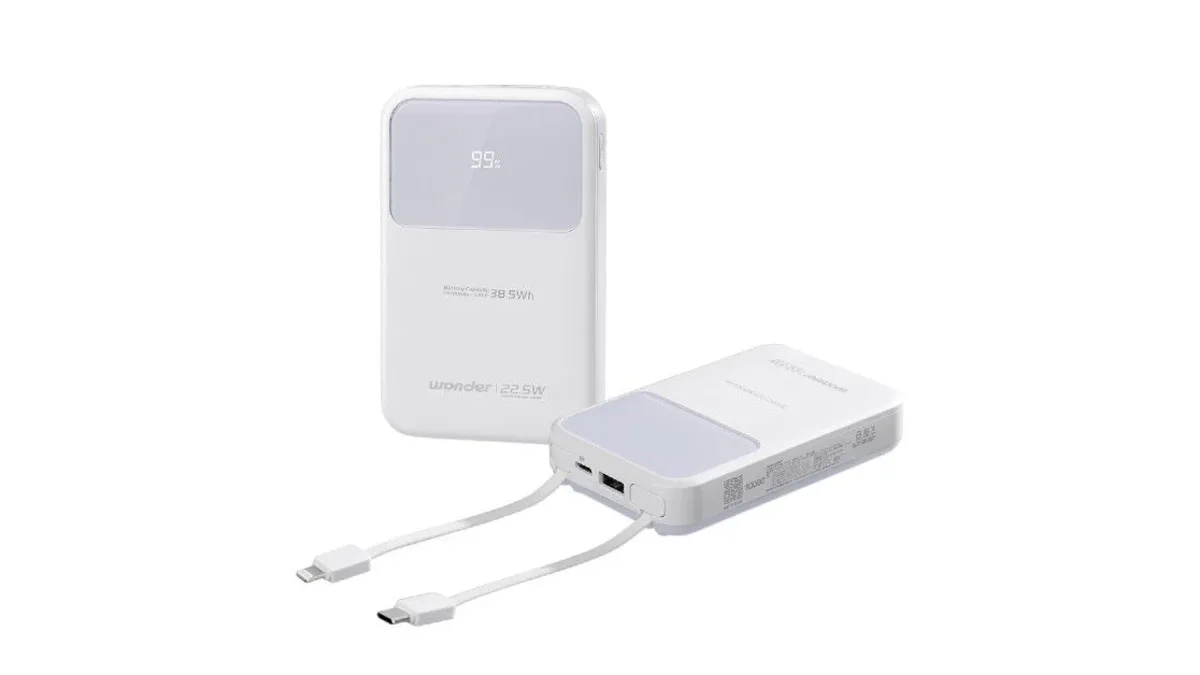
Small charging accessories rarely get much attention, but they shape how people live with phones, earbuds, tablets, and handheld gadgets. A 10000mAh power bank with a detachable cable, screen readout, multi-port output, and 22.5W fast charging is not revolutionary. It is more useful than that: it solves small daily problems without asking the user to carry a pouch of cables.
The appeal of a detachable-cable design is flexibility. Built-in cables are convenient until the connector wears out or the user needs a different port. Separate cables are flexible but easy to forget. A detachable setup sits between those extremes, giving travelers a cleaner carry while still avoiding the trap of a permanently fixed cable.
The screen matters too. Tiny LED dots can tell you a rough battery level, but a clearer display can show percentage and charging information in a way users actually understand. That reduces guesswork when someone is deciding whether to bring the pack for a long day, a flight, or an emergency backup.
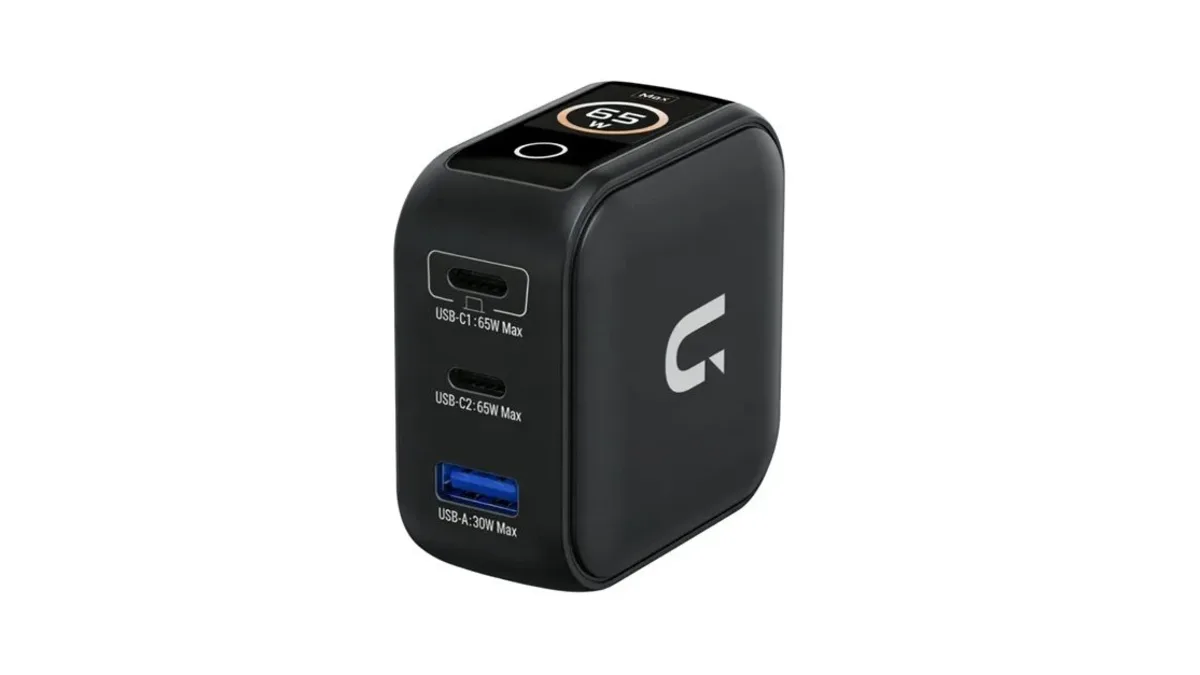
Cool3c listed the 10000mAh detachable-cable power bank with display, three-port output, and up to 22.5W charging. The accessory story connects naturally to our look at the UKKO touch-screen charger, where the charging category moved from simple bricks toward more informative tools.
Charging gadgets are becoming decision aids
The best modern charger does more than provide power. It helps users decide what to plug in, how long they can stay away from a wall outlet, and whether their device is charging at the expected speed. That is why displays, port labeling, cable management, and size matter more than they did when power banks were just black rectangles.
10000mAh remains a practical capacity because it balances portability and usefulness. It can meaningfully extend a phone, recharge earbuds several times, or support smaller gadgets during travel without becoming too heavy. Bigger packs have their place, but many people need a daily carry battery, not a brick for camping.
The 22.5W rating is also sensible. It is not the fastest number in the market, but it is enough for many phones and accessories. Extremely high wattage can be wasted if the device does not support it, while a compact mid-power pack often delivers a better mix of heat control, size, and price.
Multi-port output is where the accessory becomes more useful for real life. A user may need to charge a phone and earbuds at the same time, or share power with a friend. The difference between one port and three ports can decide whether the power bank is a personal backup or a small travel hub.
This kind of gadget shows why accessory design still matters. Phone batteries are larger than before, but people carry more connected devices. The smart power bank is not trying to replace better phone endurance. It is trying to make the messy edge of daily charging less annoying, and that is a valuable job.
The only caution is quality. Cheap power banks can overpromise capacity, run hot, or ship with weak cables that fail early. A smarter design still needs good cells, honest safety certification, and reliable port behavior. The accessory category is full of lookalikes, so the useful features matter most when the basics are built properly.