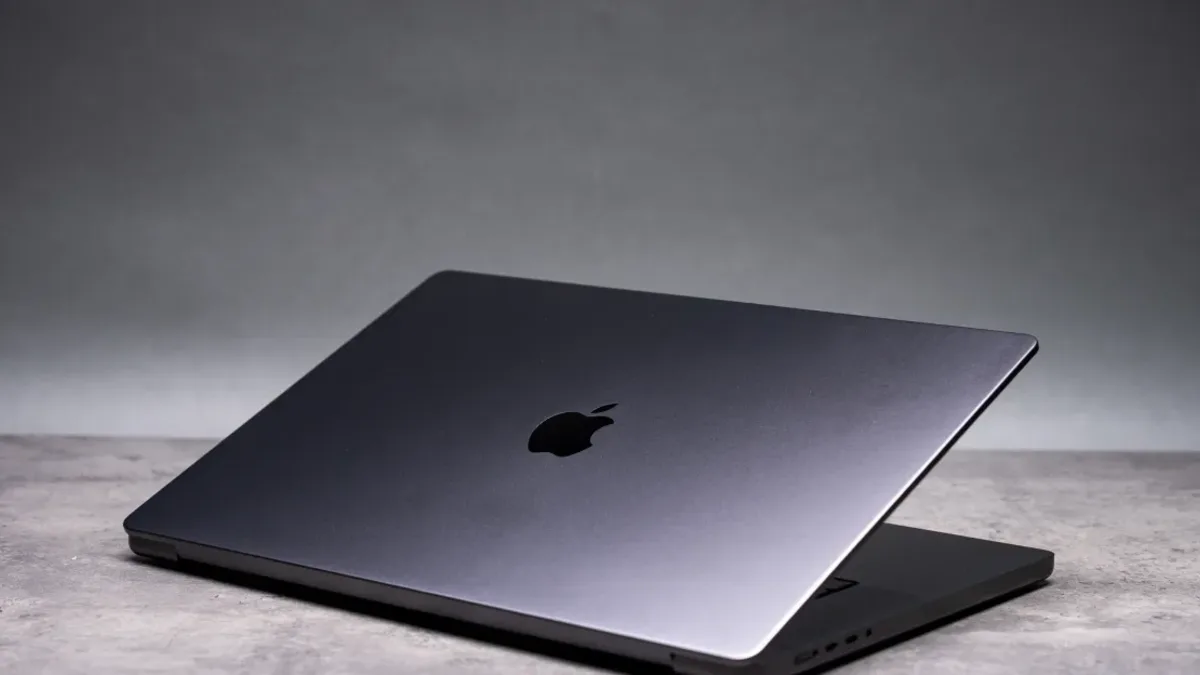
Apple's reported M7 timeline suggests that the next big Mac chip story may be less about yearly speed bumps and more about when Apple is ready to make AI hardware feel visibly different. The Mac already has strong performance per watt, but generative AI puts pressure on memory bandwidth, neural engines, and local model handling in a way traditional productivity benchmarks do not fully capture.
A longer upgrade clock can frustrate buyers who watch chip names closely. At the same time, it may be a practical response to a market where processor updates need to support larger software shifts. If Apple wants future Macs to run heavier on-device AI workloads, it may need a more meaningful architectural step than a routine generation refresh.
The Mac also sits between two worlds. Cloud AI can always do more, but professional users care about privacy, latency, and cost. Local AI needs enough compute and memory to be useful in code editors, media tools, search, writing, transcription, and creative workflows. That makes the chip roadmap a product strategy issue, not just a silicon rumor.
The Verge reports that Apple's most powerful Macs may wait until 2027 for major processor upgrades tied to the M7 generation. The key signal is that Apple appears to be thinking about AI capability as part of the next meaningful Mac platform step.
That connects with our broader look at Apple's indirect AI supply chain. The company can use cloud partners for scale, but it still has to make its own devices feel smart enough locally to support the privacy story it has sold for years.
The risk is timing. If Apple waits too long, Windows laptops with dedicated AI silicon and Nvidia-backed workflows can claim more mindshare. If it moves too fast, the chip may arrive before the software makes use of it. The M7 rumor matters because it shows how Mac upgrades are being pulled into the same question facing phones: what does local AI actually need from hardware?
Professional software vendors will watch this closely. Apps for video editing, music production, 3D work, coding, design, and research can benefit from local AI, but they need predictable hardware targets. If the M7 generation becomes the first clear Mac AI platform, developers may time heavier features around it rather than scattering support across older chips.
Memory may be the defining spec. Large local models and media workflows both punish small unified-memory configurations. Apple can build a faster neural engine, but if base Macs remain tight on memory, the experience may still feel constrained. The chip timeline therefore cannot be separated from configuration strategy.
For current buyers, the rumor creates a familiar dilemma. Waiting may bring a more AI-ready Mac, but most people buy computers for today's work. The sensible approach is to watch whether Apple starts explaining AI features in terms of real tasks. Once the software becomes concrete, the hardware upgrade case will be easier to judge.
The Mac roadmap also affects enterprise buyers. Companies planning device refreshes want machines that can survive the next wave of AI software without immediate replacement. If the M7 marks a stronger local-AI baseline, IT teams may delay some premium purchases, or at least demand clearer guidance from Apple about which current Macs will remain capable.