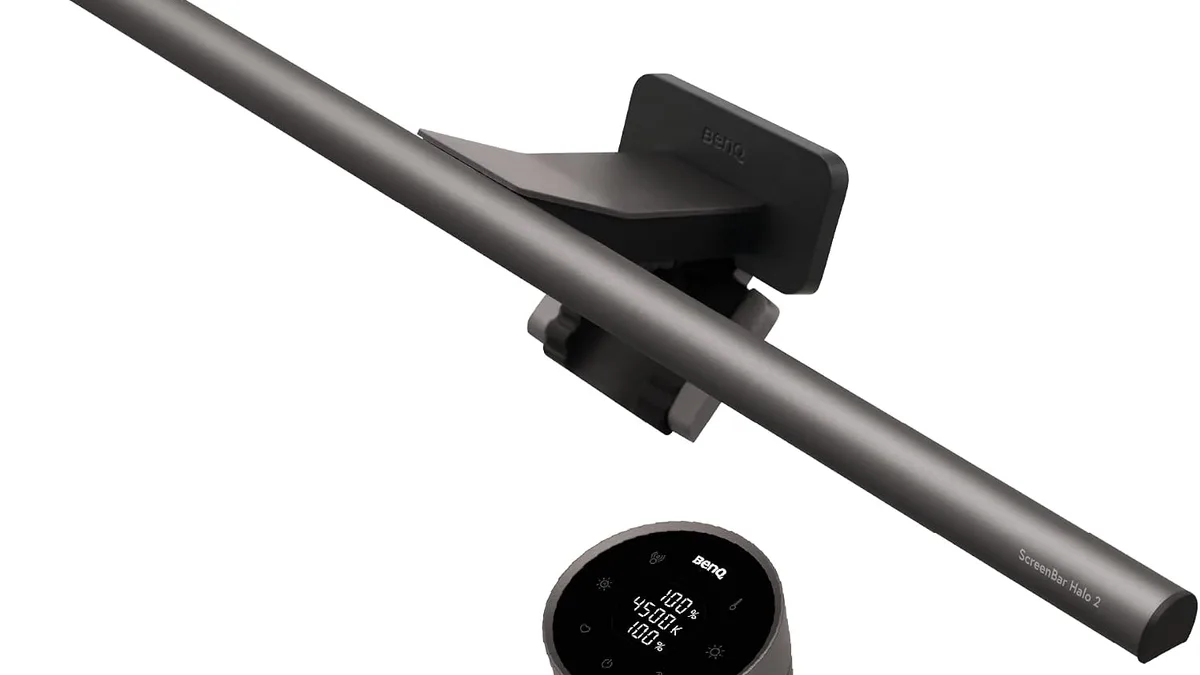
The BenQ ScreenBar Halo 2 is not a leak, but it belongs in the same gadget conversation because the desk accessory market is becoming more specialized. Remote work, gaming setups, coding desks, creator stations, and late-night study spaces have turned lighting from a simple lamp purchase into a comfort and productivity decision.
Monitor light bars solve a real problem when they are designed well. They brighten the desk without shining directly into the eyes, reduce the need for a lamp base, and can make small workspaces feel cleaner. The challenge is that they sit close to displays, webcams, microphones, and monitor arms, so small design mistakes become annoying quickly.
A second-generation Halo product suggests BenQ is refining a niche that now has enough buyers to support premium versions. The interesting part is not just brightness. It is how the light handles glare, rear bias lighting, color temperature, control ergonomics, and whether the accessory disappears into the setup instead of becoming another object to manage.
Notebookcheck reviewed the BenQ ScreenBar Halo 2 as a desk lamp aimed at night users. That positioning is useful because the best desk gadgets often solve a narrow problem more elegantly than a general-purpose product.
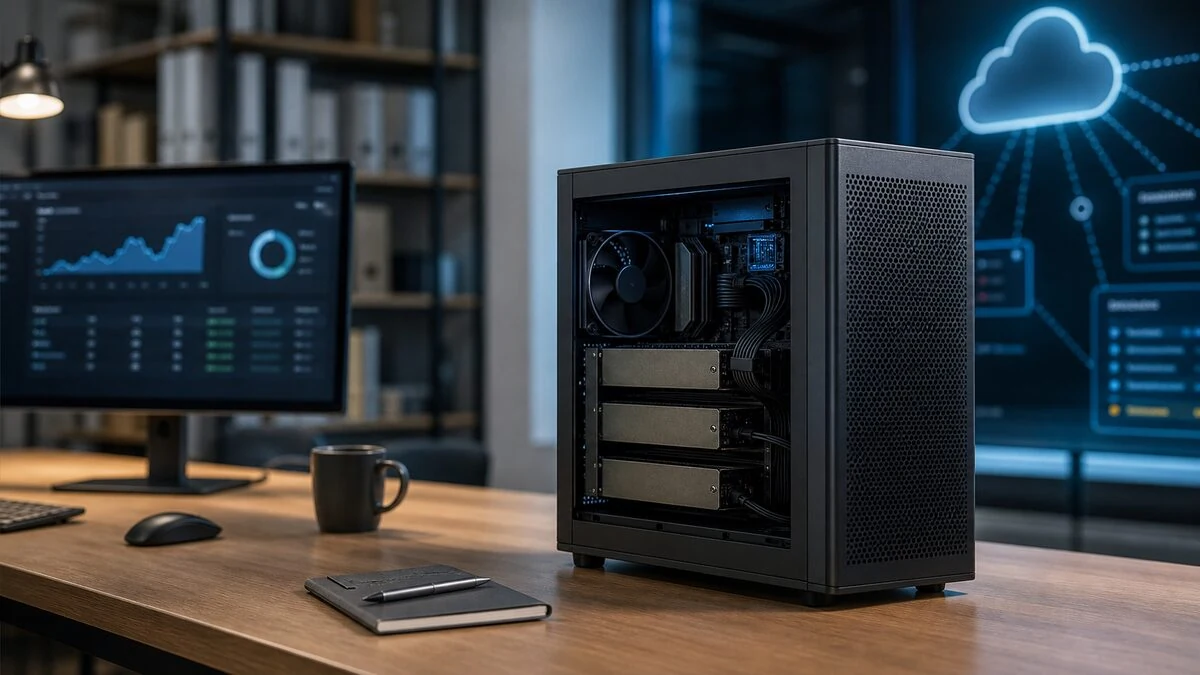
This also connects with the broader local-computing shift we covered in local AI PC and workstation coverage. As people spend more time at powerful home desks, accessory quality becomes part of the computing experience. Screens, lighting, audio, input devices, and charging all affect how usable the setup feels.
The ScreenBar Halo 2 story shows why small gadgets still matter. Not every important tech product needs a new processor or a model name battle. Sometimes the upgrade is a better-lit desk, less eye strain, and a cleaner workspace. That is not flashy, but it is exactly the kind of daily improvement that keeps accessory categories alive.
There is also a health angle that is easy to understate. Poor lighting can worsen eye fatigue, posture, and screen discomfort, especially for people who work into the evening. A monitor light bar does not solve all of that, but it can make a desk feel less harsh without filling the room with bright overhead light.
The accessory market is full of cheap copies, so premium products have to justify themselves through details. Stable mounting, smooth controls, good diffusion, color consistency, and compatibility with curved or thick monitors are the difference between a useful tool and a gadget that gets removed after a week.
BenQ's challenge is communicating that value without making the product sound over-engineered. A desk lamp should feel simple. The engineering should disappear into a calmer workspace. If the Halo 2 does that, it shows why specialized accessories can still earn a place beside far more powerful hardware.
The product also reflects a larger truth about mature computing. Once processors are fast enough and displays are good enough, comfort becomes the next upgrade path. Better lighting, quieter peripherals, cleaner cable management, and healthier posture can improve a workday more than another small speed increase. Desk gadgets win when they respect that reality.