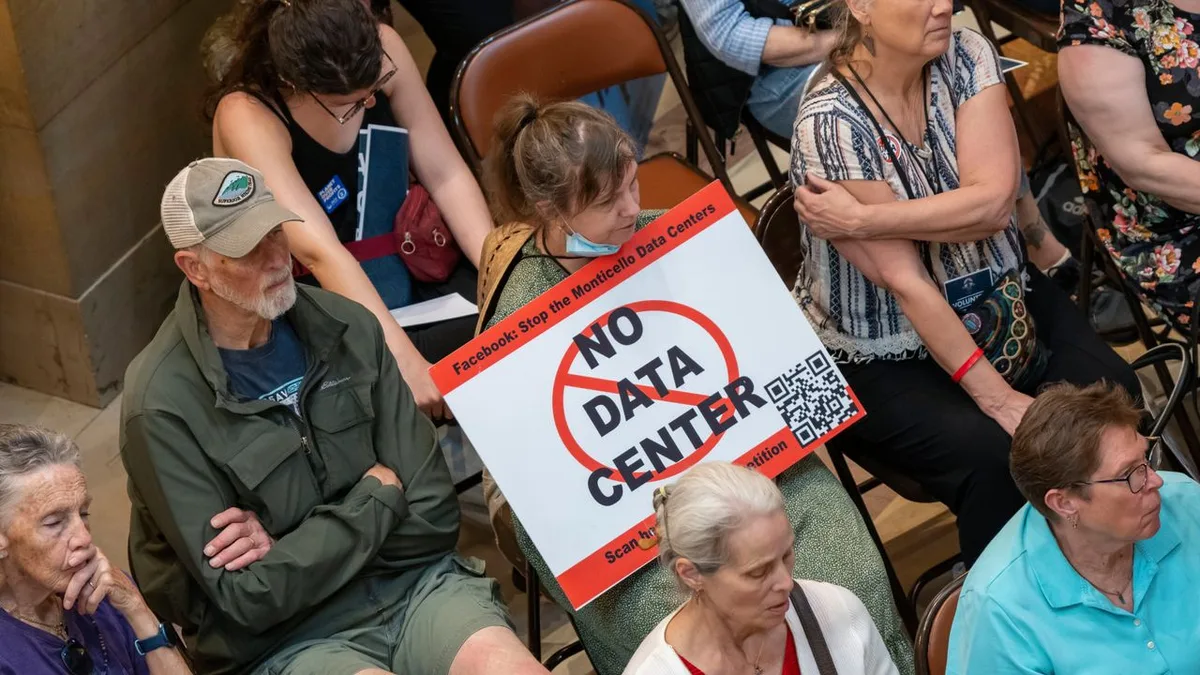
The AI infrastructure story is no longer only about chips, server racks, and how quickly hyperscalers can sign power contracts. It is also about city councils, local utilities, water boards, neighborhood groups, and the communities asked to host the physical footprint of machine intelligence. A new wave of blocked data center projects shows that the industry has reached a more difficult phase: the demand curve is global, but the permits are local.
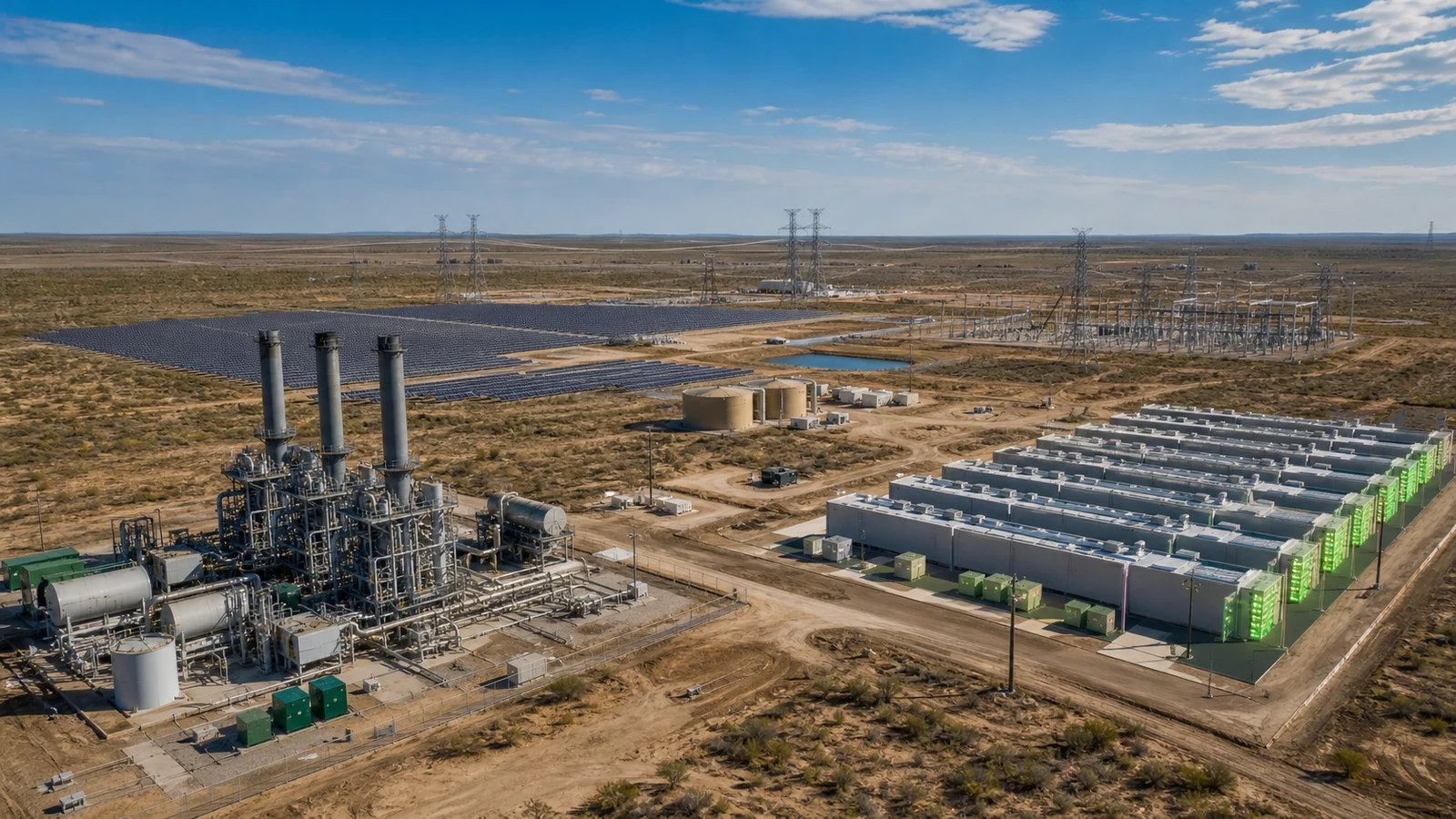
That matters because every large AI cluster needs more than GPUs. It needs land, transmission capacity, backup power, cooling equipment, fiber routes, tax arrangements, and a political explanation that makes sense to people who may never use the model being trained nearby. The industry can talk about future productivity, but a county facing higher power demand or water stress is going to ask a simpler question: who pays for the strain?
Tom's Hardware reported that more than 75 data center build-outs worth about $130 billion were blocked in the first four months of 2026. The scale is what makes the report important. This is not one delayed campus or one unusually angry town hall. It suggests a pattern forming around the basic resource cost of AI.
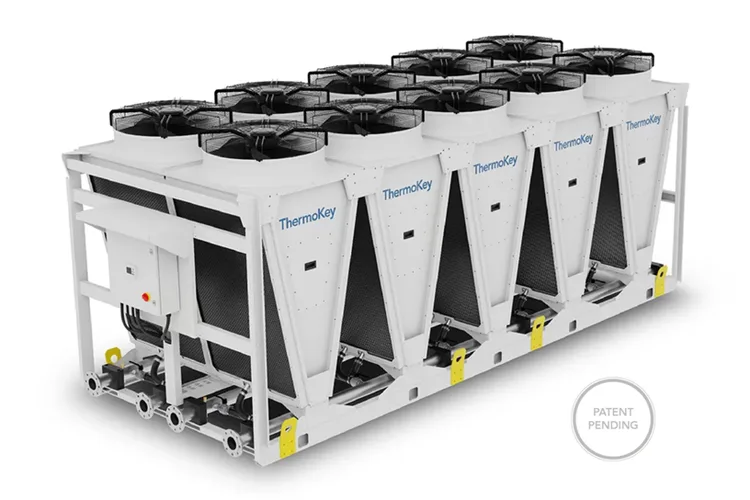
The timing also connects with the cooling side of the market. As we covered in the Vertiv ThermoKey deal, thermal management is becoming strategic infrastructure rather than a back-room engineering detail. If communities are already worried about electricity and water, more efficient cooling will not be a nice extra. It will become part of whether a project can be permitted at all.
The industry should be careful not to frame local resistance as anti-technology. Many objections are practical. Residents worry about power prices, noise, water use, diesel generators, land value, and whether promised jobs are large enough to justify the public burden. Data centers are usually less labor-intensive than factories, so the usual economic development pitch can feel thin when the facility is enormous and the local utility bill is visible.
AI companies also face a trust problem. They are asking communities to absorb infrastructure for services whose benefits may feel distant and whose revenues flow elsewhere. That gap can be closed only with transparent energy plans, credible water accounting, local grid investment, and enforceable commitments. Otherwise, every new campus becomes a referendum on whether the AI boom is being built with other people's resources.
The lesson is not that AI growth is over. It is that the next bottleneck may be permission, not silicon. The winners will be the companies that treat siting, efficiency, and community consent as core parts of the product roadmap. Faster models matter, but so does the ability to build the physical systems behind them without turning every new project into a political fight.
The next practical test will be disclosure. If operators want faster approvals, they will need to show more than renderings and investment totals. Communities will ask for peak power demand, water use, noise expectations, backup generation plans, grid upgrade funding, and realistic job numbers. They will also want guarantees that promises survive ownership changes. AI infrastructure is becoming too large to be approved on trust alone. A company that arrives with clear numbers and a credible mitigation plan will have an advantage over one that treats local review as paperwork. In that sense, the permitting fight may push the industry toward better engineering and better accountability at the same time.