Data center cooling used to be easy for outsiders to ignore. Compute got the attention, networking got the architecture diagrams, and cooling was treated as part of the building. AI has changed that. Dense accelerator racks create heat profiles that can reshape facility design, power planning, water use, and the economics of expansion.
That is why acquisitions in cooling technology matter. Companies building AI and cloud capacity need more than floor space. They need reliable thermal systems that can handle high-density loads without wasting power or forcing constant redesign. Cooling is becoming a competitive constraint because the ability to remove heat can decide how much compute a site can actually run.
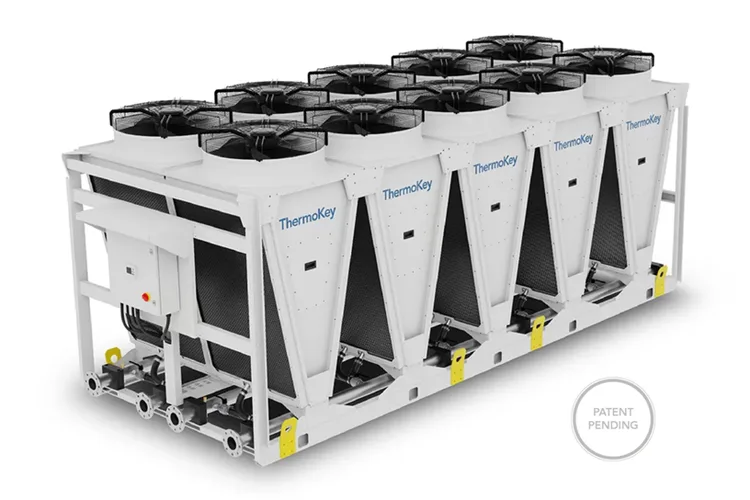
Data Center Dynamics reported that Vertiv's acquisition of ThermoKey has closed. The deal strengthens Vertiv's cooling portfolio, and it arrives at a time when thermal infrastructure is being pulled directly into the AI capacity race.
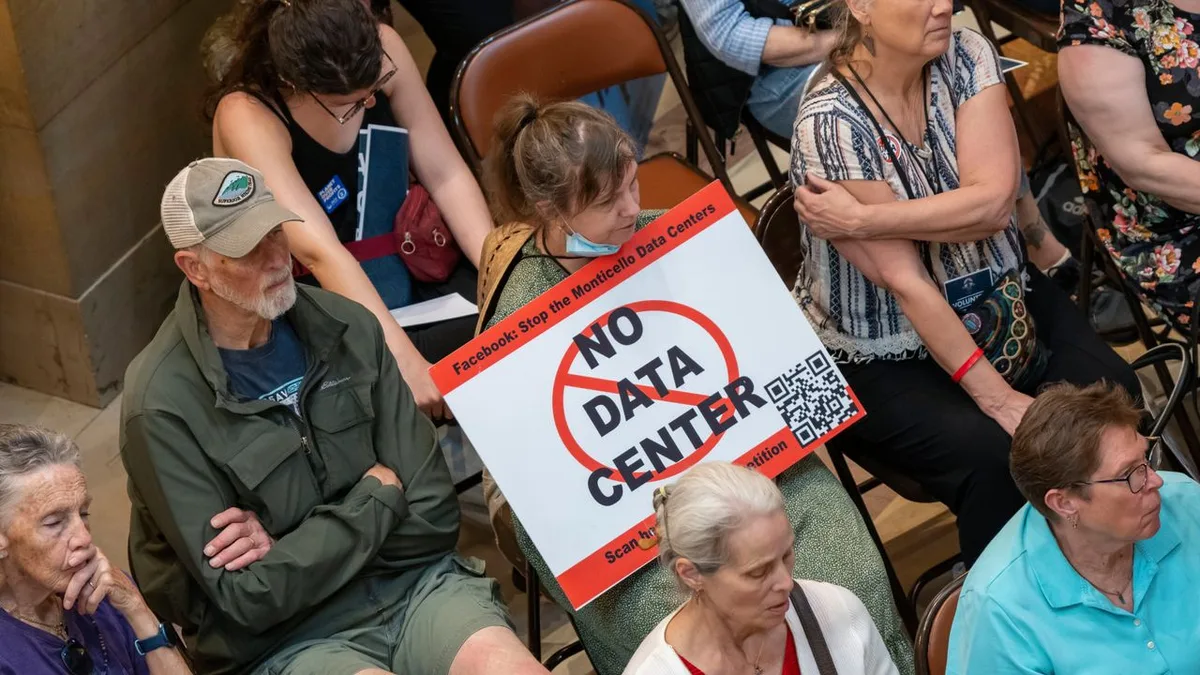
The point connects with the broader permitting pressure we discussed in the blocked data center projects story. If communities are worried about energy and water use, cooling efficiency becomes part of the social license to build. Better thermal equipment can reduce waste, but it also gives operators a more credible answer when local officials ask how a facility will manage resource demands.
AI clusters also make downtime more expensive. A cooling problem that reduces capacity or forces throttling can strand costly hardware. In that environment, thermal systems are not just a facilities expense; they protect revenue. The more expensive the rack, the more important it is to keep that rack running in the right temperature range.
There is also a supply-chain angle. As hyperscalers and colocation providers race to build, they need dependable access to cooling components, engineering talent, and manufacturing capacity. Owning or closely controlling more of that capability can reduce project risk. That is especially important when many projects are competing for the same specialized vendors.
The next wave of data center competition will be won partly by companies that make heat boring again. That sounds simple, but it requires better equipment, better design, and tighter integration between compute planning and facility planning. Vertiv's move shows that the market understands this. Cooling has moved from the basement of the conversation to the center of the AI infrastructure map.
Cooling strategy will also influence where future data centers are built. Climate, grid mix, water availability, and local permitting will shape the economics of every site. Operators that can use less water, recover heat, or run dense racks with fewer compromises will have more location flexibility. That flexibility is valuable when the best power markets and the most welcoming communities are not always the same places. AI demand may be global, but cooling remains stubbornly physical. The companies that solve that physical layer well will give themselves more room to grow.
Investors should read cooling deals as signals about where the bottlenecks are moving. When the market rewards compute growth, suppliers around power and thermal systems often become more important than they look. The AI buildout is not one supply chain. It is a stack of chips, substations, chillers, controls, land, permits, and service crews.