The AI buildout is turning energy regions into technology-infrastructure battlegrounds. MRT reported that the Permian Basin Power Conference focused heavily on AI-driven data center growth, with speakers discussing how the region's power generation, grid planning, and industrial land could support demand that is shifting from megawatts to gigawatts.
The location matters. The Permian Basin is known for oil and gas, but AI data centers care about electricity, reliability, speed to power, and large sites. Regions that already understand energy infrastructure can become attractive if they can connect generation, transmission, cooling, fiber, and permitting faster than traditional data center markets.
Why AI compute follows power
AI data centers are not ordinary office buildings with server rooms. They are industrial loads. A large cluster can require the kind of power planning associated with factories, refineries, or utility-scale projects. That changes who matters in the AI supply chain. Utilities, landowners, gas producers, renewable developers, grid operators, and local officials become part of the compute story.
| Infrastructure need | Why AI raises demand | Permian advantage to watch |
|---|---|---|
| Electricity | Accelerator clusters draw huge continuous loads. | Existing energy expertise and generation options. |
| Transmission | Power must reach sites reliably. | Industrial planning experience. |
| Land and permitting | Large campuses need room and speed. | Energy-region familiarity with big projects. |
| Cooling strategy | Dense compute creates heat-management pressure. | Potential for purpose-built facilities. |
The phrase "time to power" is becoming as important as chip availability. A company can order servers and sign cloud customers, but if the site cannot receive enough electricity, the project stalls. That is why data center developers are looking beyond classic tech hubs and into places where energy conversations are already mature.
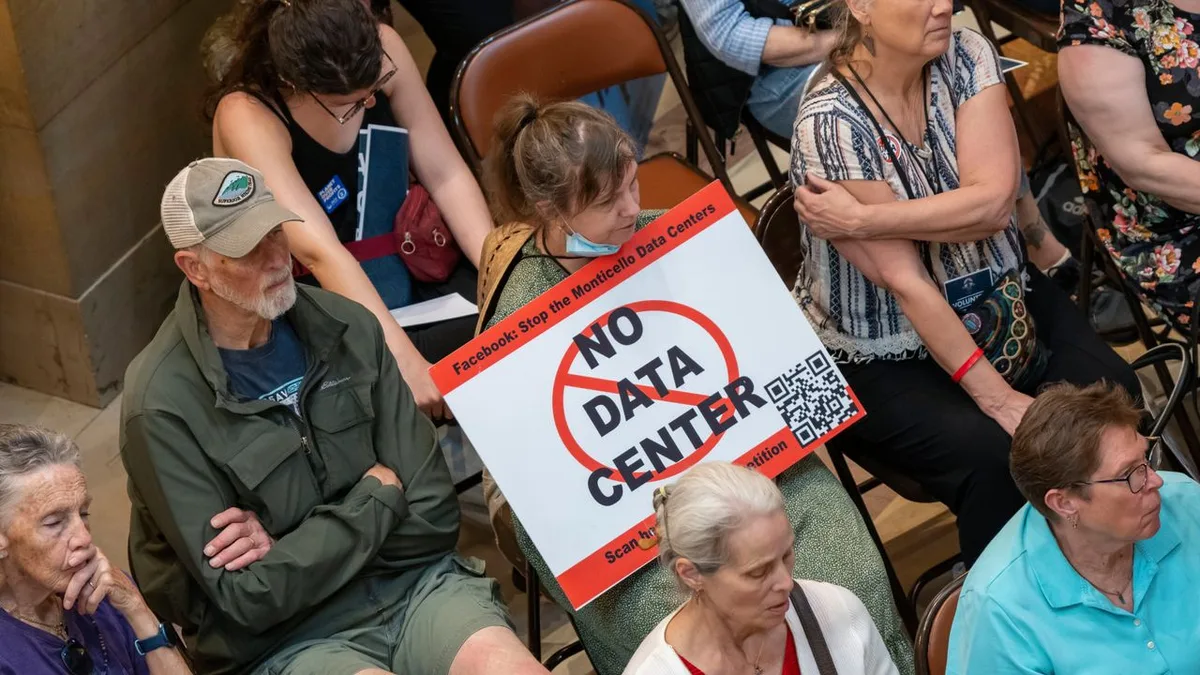
There are tradeoffs. Building AI data centers near energy production can reduce some constraints, but it can also intensify local debates about water use, emissions, land use, and who pays for grid upgrades. Communities may welcome investment and jobs while still questioning whether industrial compute should receive priority over other needs.
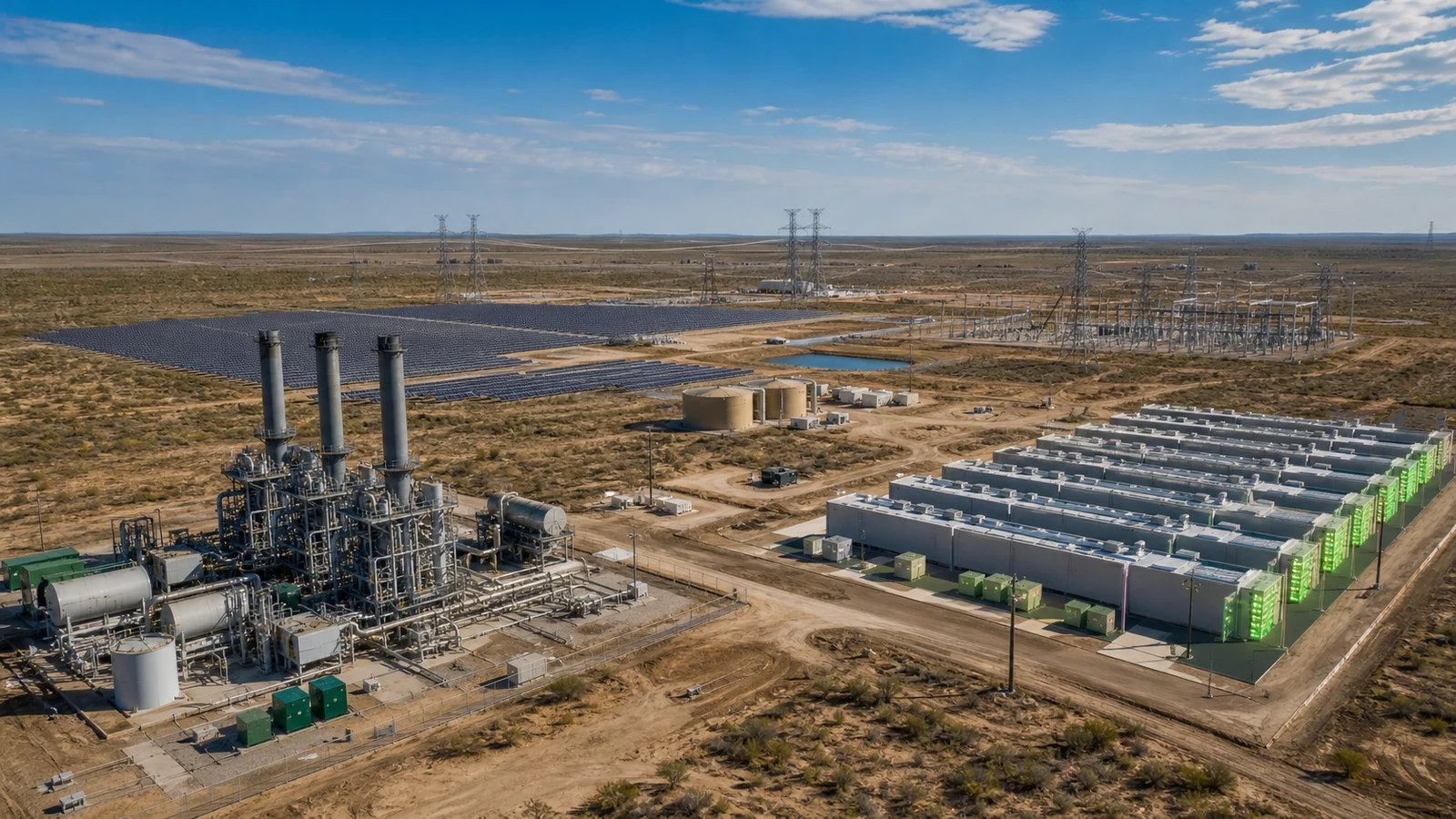
The Permian story also shows how AI may reshape fossil-fuel regions. Natural gas, renewables, storage, and behind-the-meter generation could all play roles in powering compute. The winning model will depend on cost, reliability, emissions targets, and how quickly infrastructure can be built. AI companies want capacity now, but energy projects rarely move at software speed.
Developers will also need to prove that local benefits are real. Construction work is temporary, and highly automated data centers do not employ people at the scale of older industrial projects. Stronger proposals will include workforce training, tax clarity, grid investment, and commitments that help surrounding businesses rather than only importing equipment and exporting compute.
Power buyers may also need to coordinate with local industry rather than simply outbid it. A durable compute hub cannot be built on resentment from existing employers.
The larger takeaway is that AI infrastructure is becoming physical. It needs chips, but it also needs substations, pipes, turbines, solar fields, transmission lines, and trained crews. The Permian Basin Power Conference is a sign that the AI race is no longer confined to Silicon Valley or cloud regions. It is moving into the places that can deliver power at scale.