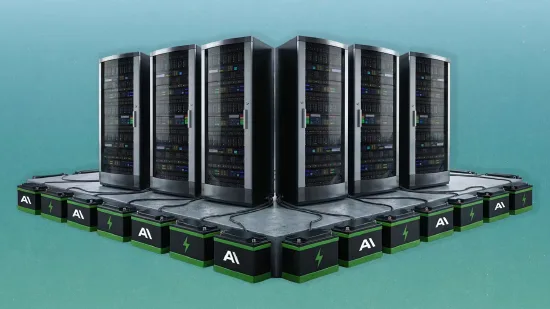
AI infrastructure is moving from a hardware race into a financing race. The Wall Street Journal reported that Broadcom, Apollo, and Blackstone are launching an AI XPV Platform with an initial $35 billion plan and a target of major compute capacity by 2028. Broadcom brings chips and networking; Apollo and Blackstone bring the capital structures needed to build at enormous scale.
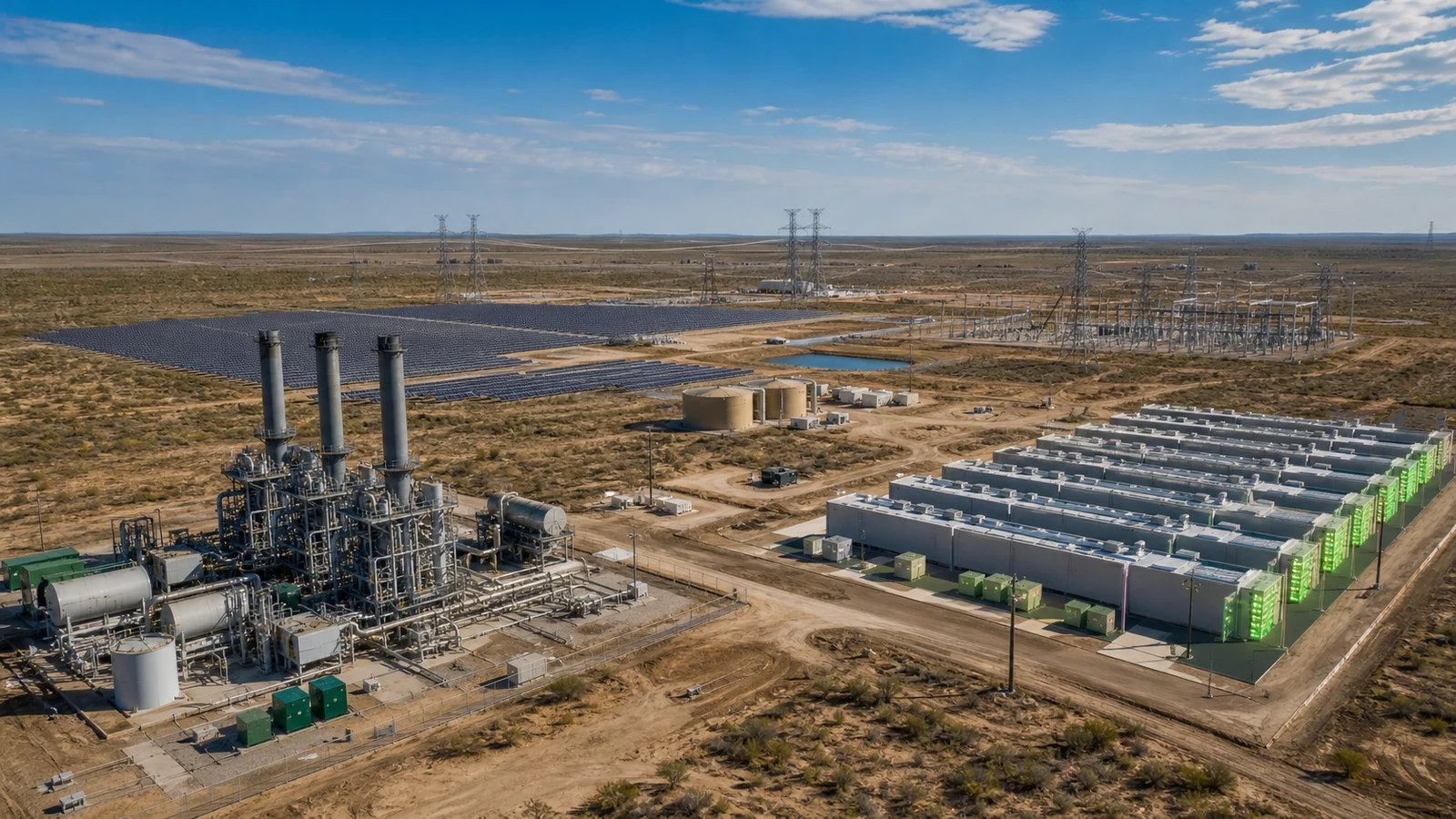
The partnership matters because AI compute is no longer just a procurement problem. The biggest model builders and cloud providers need power, land, custom silicon, fiber, cooling, construction partners, and years of committed financing. That turns data centers into financial infrastructure, not just technical infrastructure. Private capital is becoming one of the hidden engines of the AI boom.
Why finance is now part of the stack
Training and serving large models requires equipment that is expensive before it produces revenue. GPUs and custom accelerators are only one line item. A full cluster needs networking, energy contracts, physical buildings, cooling systems, security, maintenance, and software operations. Financing decides how quickly those pieces can be assembled and who carries the risk while customers ramp usage.
| Platform layer | Role in the deal | Business pressure |
|---|---|---|
| Broadcom silicon | Custom compute and networking backbone. | Performance per watt must justify specialization. |
| Private capital | Funds construction and long-horizon assets. | Returns depend on durable AI demand. |
| Data center capacity | Turns chips into usable cloud-scale supply. | Power and grid access can slow deployment. |
| AI customers | Anchor demand for training and inference. | Usage must grow into committed capacity. |
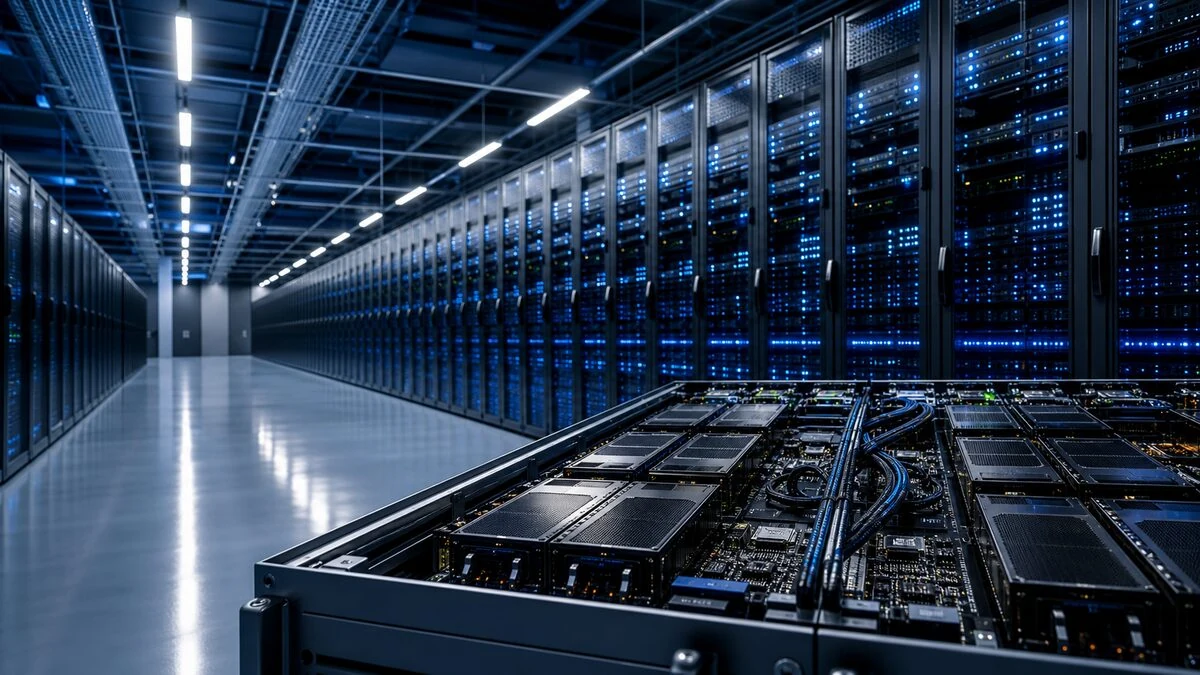
The custom-chip angle also matters. Hyperscale AI buyers increasingly want systems designed around their workloads rather than generic capacity. Broadcom has become important because custom XPUs, high-speed networking, and interconnects can reduce cost and improve efficiency at scale. If the finance platform can pair capital with specialized infrastructure, it may compete on more than raw rack count.
The risk is that AI demand is still being estimated under fast-changing assumptions. Model sizes, inference efficiency, pricing, enterprise adoption, and chip supply can shift quickly. If efficiency improves faster than expected, some projects may need less capacity. If demand keeps exploding, even a $35 billion platform may look small. That uncertainty is exactly why large financial partners are involved.
For cloud buyers, the deal is another sign that future AI pricing will depend on infrastructure design far upstream. Enterprises may never talk to Broadcom, Apollo, or Blackstone directly, but they will feel the outcome through model latency, reserved capacity, API pricing, and availability during peak demand.
It also gives model companies another possible route around capacity bottlenecks. Instead of waiting for a single cloud provider to expand, large customers may increasingly negotiate with infrastructure platforms that package chips, racks, debt, leases, and power plans together. That could make AI capacity deals look more like energy or telecom contracts than ordinary software subscriptions.
The broader story is that AI compute is becoming an asset class. The winners will not only be the companies with the best models or chips. They will be the ones that can coordinate capital, energy, data centers, and silicon into reliable capacity. That is a very different competition from the first wave of AI hype.