China's reported AI infrastructure strategy shows how compute has become a national industrial priority. The goal is not only to build more data centers. It is to reduce dependence on foreign hardware across the stack, from accelerators to networking, servers, memory, and software. That makes Huawei Ascend more than a chip line. It becomes a symbol of whether China can keep scaling AI systems under export pressure.
The 80 percent domestic-component target being discussed is ambitious because AI infrastructure is a system problem. A country can design an accelerator and still struggle with memory supply, packaging, networking, power efficiency, cooling, drivers, compilers, and developer tools. Nvidia's strength has never been only the GPU. It is the complete platform around the GPU. Huawei and other Chinese suppliers have to close that platform gap if local AI clusters are going to be more than politically important.
The strategy also changes how cloud buyers think. If domestic chips become the preferred or required option for large parts of China's AI buildout, local software teams will need to optimize around different hardware assumptions. That could lead to a more separate AI ecosystem, with Chinese frameworks, models, and deployment practices tuned for local accelerators.
Huawei Central reported that China plans a massive AI infrastructure effort over five years and wants domestic parts, including Huawei Ascend chips, to make up most of the build. The report cites Bloomberg, so the numbers should be treated as strategic reporting rather than a finished public procurement list.
The market impact could be large even outside China. If domestic Chinese AI chips improve quickly, global suppliers face a more divided market. If they lag, China may spend more to achieve similar performance. Either way, the compute race becomes less purely commercial and more geopolitical. Data centers become strategic assets, and chip roadmaps become policy tools.
The key thing to watch is software maturity. Hardware announcements are visible, but developer adoption decides whether chips become useful at scale. If Huawei can make Ascend easier to program, monitor, and deploy in large clusters, the domestic strategy becomes more credible. If developers still prefer workarounds to reach Nvidia-like tooling, the buildout may be expensive but uneven.
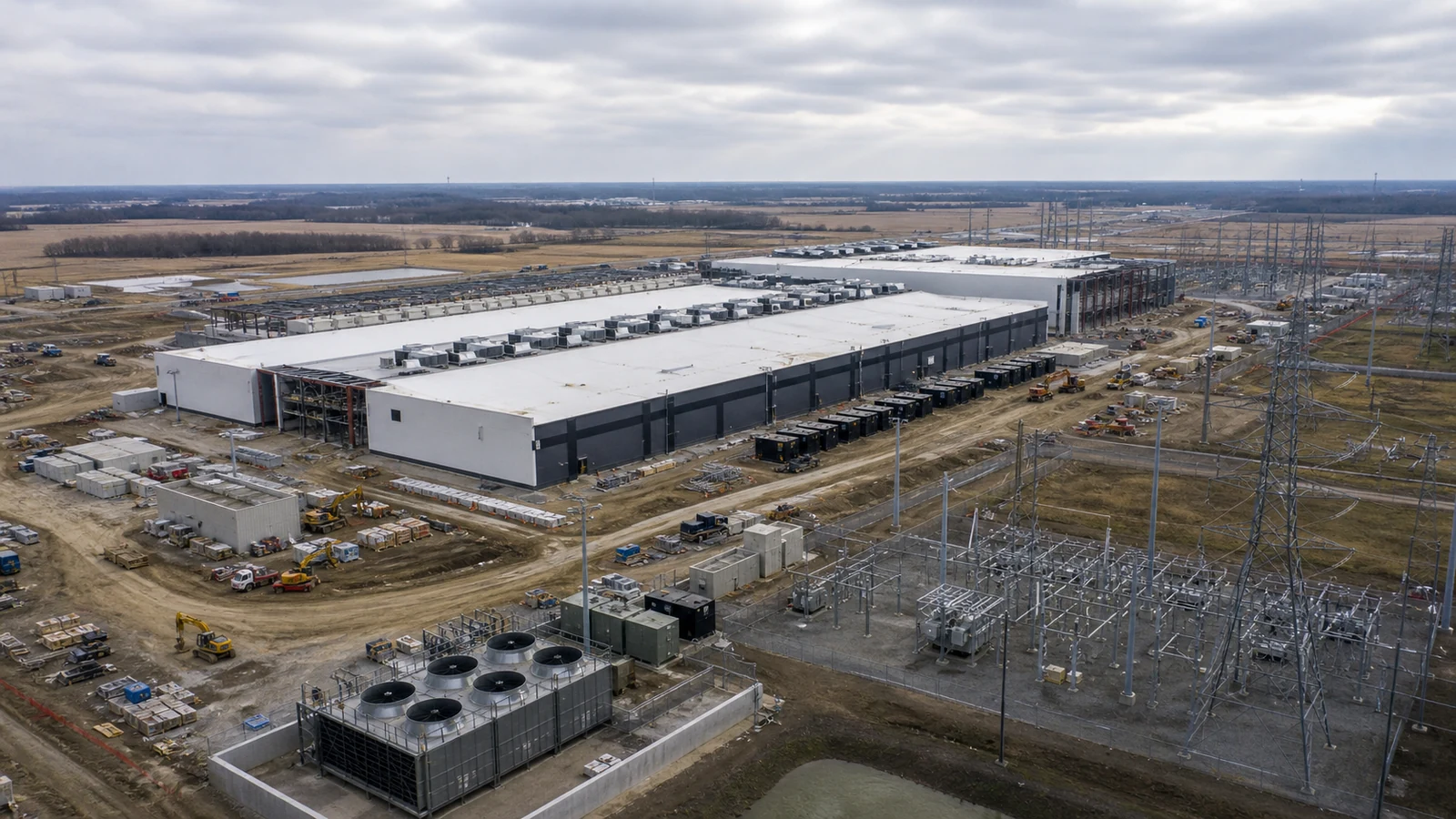
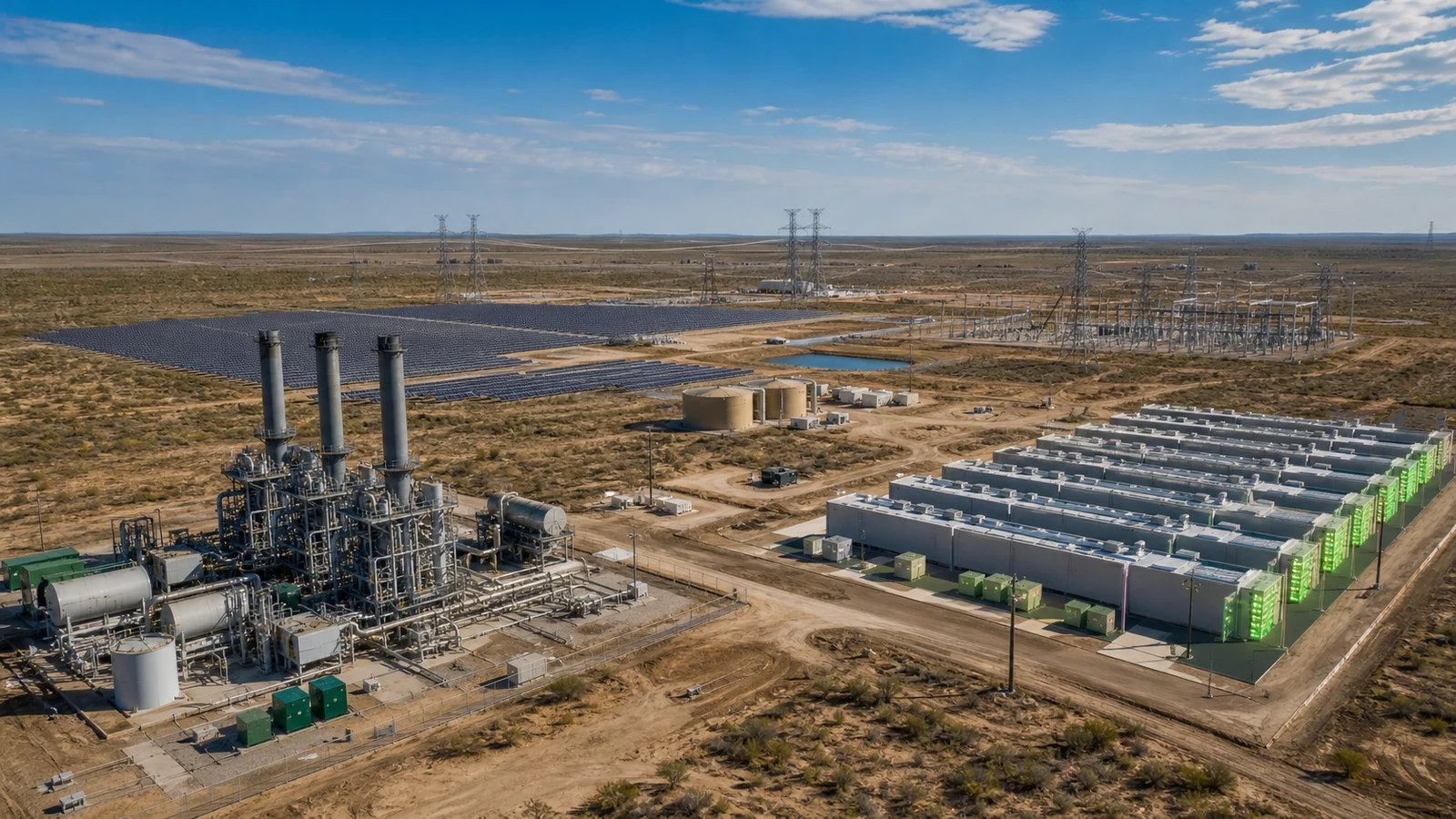
Power availability may become just as important as chip availability. Large AI clusters consume huge amounts of electricity and require cooling, land, grid planning, and maintenance staff. A domestic chip strategy can reduce foreign dependence, but it does not remove physical constraints. The countries that coordinate chips, power, and data-center construction most effectively will have an advantage.
The plan also affects model developers. If local accelerators become the standard for Chinese AI deployments, teams will optimize model architectures around the hardware they can actually buy. That could lead to different performance trade-offs than Western labs make on Nvidia-heavy clusters. Over time, hardware policy may shape software style in ways that are not obvious from a single chip announcement.
Export controls will keep shaping this race. Restrictions can slow access to leading foreign parts, but they can also push domestic investment faster. The question is whether that urgency produces competitive platforms or simply expensive parallel supply chains.