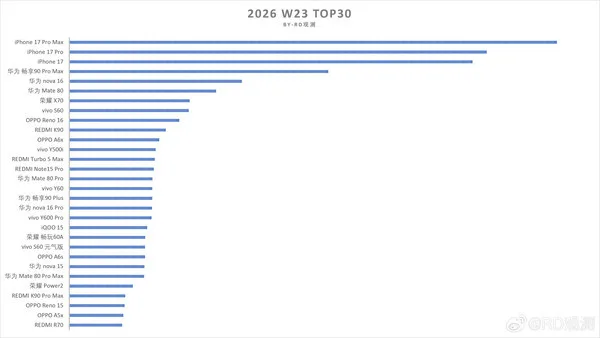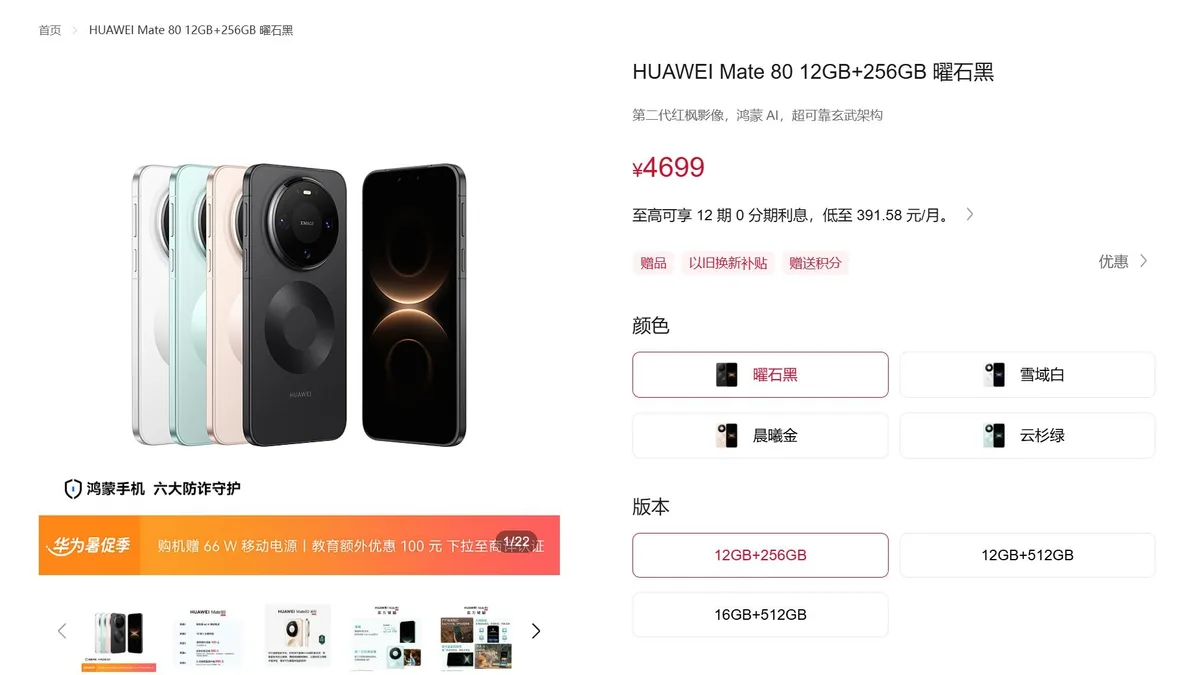
For months, the smartphone market has been told to expect higher prices. Component costs, memory pricing, premium camera parts, larger batteries, and AI hardware have all been used to explain why the next phone might cost more. Yet the latest Chinese 618 sales reporting tells a more complicated story: when shopping festivals arrive, many phones are still being pushed downward through aggressive discounts.
That tension matters because China remains one of the most competitive phone markets in the world. Brands cannot simply raise prices and expect buyers to accept it. They have to move inventory, defend market share, and keep attention during shopping events where every rival is fighting for the same upgrade budget. The result is a market where the official price may rise, but the street price can fall quickly.
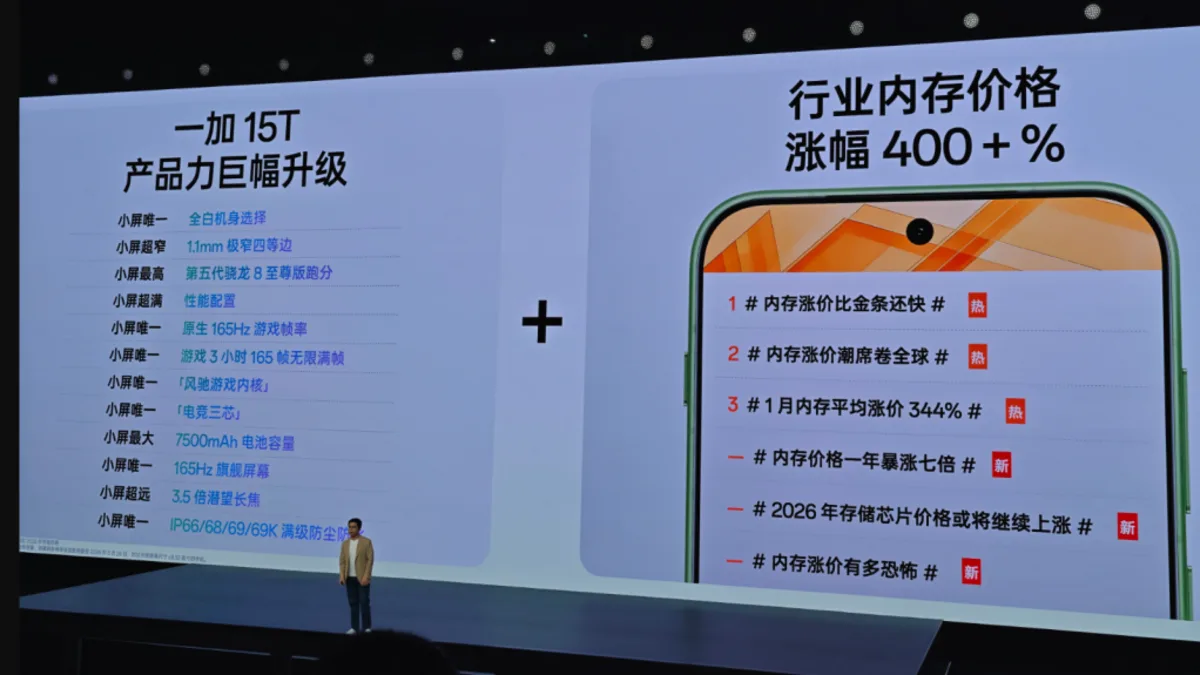
For buyers outside China, the pattern is still useful. It shows how phone pricing is increasingly split between launch theater and real purchase timing. A flagship can debut with a high price to protect brand positioning, then become far more attractive through coupons, platform subsidies, trade-in bonuses, or storage upgrades. That is why previous leaks around devices such as the large-battery OnePlus phone should always be judged against final promotional pricing, not just rumored retail numbers.
MyDrivers highlighted the contradiction in Chinese: after talk of price increases, the 618 season has still brought widespread price cuts. That framing is important because it reflects what shoppers actually see. People do not buy a supply-chain explanation. They buy the number shown on the checkout page.
The discount pattern also changes how brands design mid-year products. A phone built with a slightly older flagship chip, a huge battery, or a strong flat display can become a sales weapon if the price drops at the right moment. Premium buyers may still chase the newest camera system, but mainstream buyers often respond to storage, battery, screen quality, and a deal that feels temporary.
There is a risk for brands. If discounts arrive too quickly, early buyers feel punished and launch prices lose credibility. If discounts are too shallow, inventory can stall while rivals dominate social platforms and deal pages. Chinese phone makers have become skilled at this balancing act, but the market is unforgiving. A model can look expensive in March and irresistible in June.
Retail platforms add another layer. Coupons, livestream offers, bank-card rebates, and limited bundles can make two shoppers pay very different prices for the same phone on the same day, which makes official pricing a weaker signal than it used to be.
It also affects global expectations. Consumers who follow Chinese pricing often notice that similar hardware can cost much less in China than in Europe, India, the Middle East, or the United States. Taxes, distribution, software, patents, and support explain part of the difference, but the visibility of Chinese deals still pressures global brands to justify their margins.
The latest 618 coverage is a reminder that the smartphone upgrade story is not only about inflation. It is about timing, channels, competition, and how badly a brand wants a model to move. Price-hike warnings may be real at the component level, but the market still has ways to turn expensive phones into aggressive bargains when the sales calendar demands it.