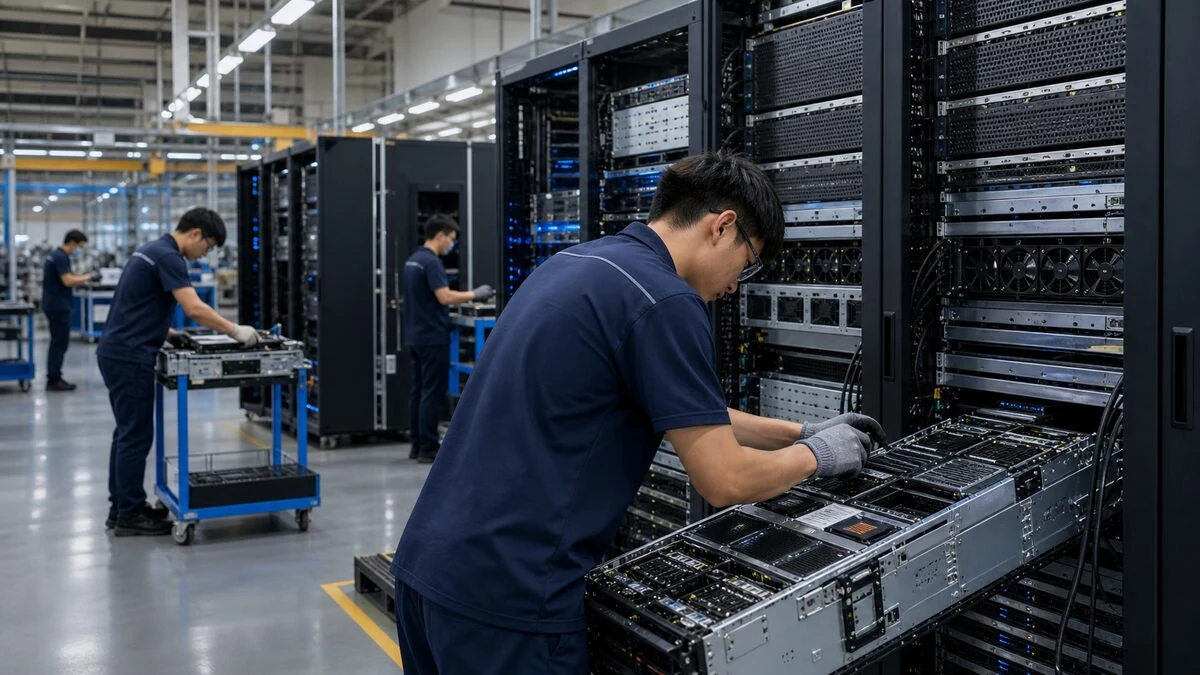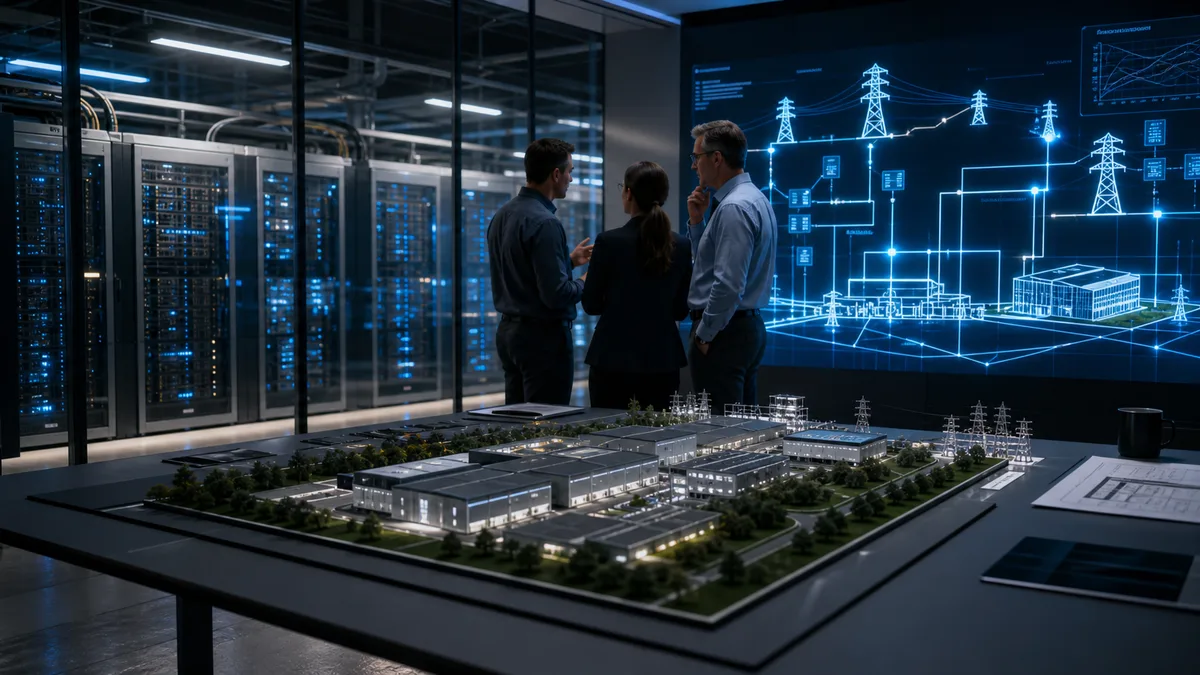
AI data centers are no longer ordinary real estate projects with servers inside. At hundreds of megawatts, they become industrial infrastructure. They require power planning, land reuse, water and cooling strategy, grid coordination, construction labor, network access, and political support. That is why large AI campuses are increasingly discussed like factories, not office buildings.
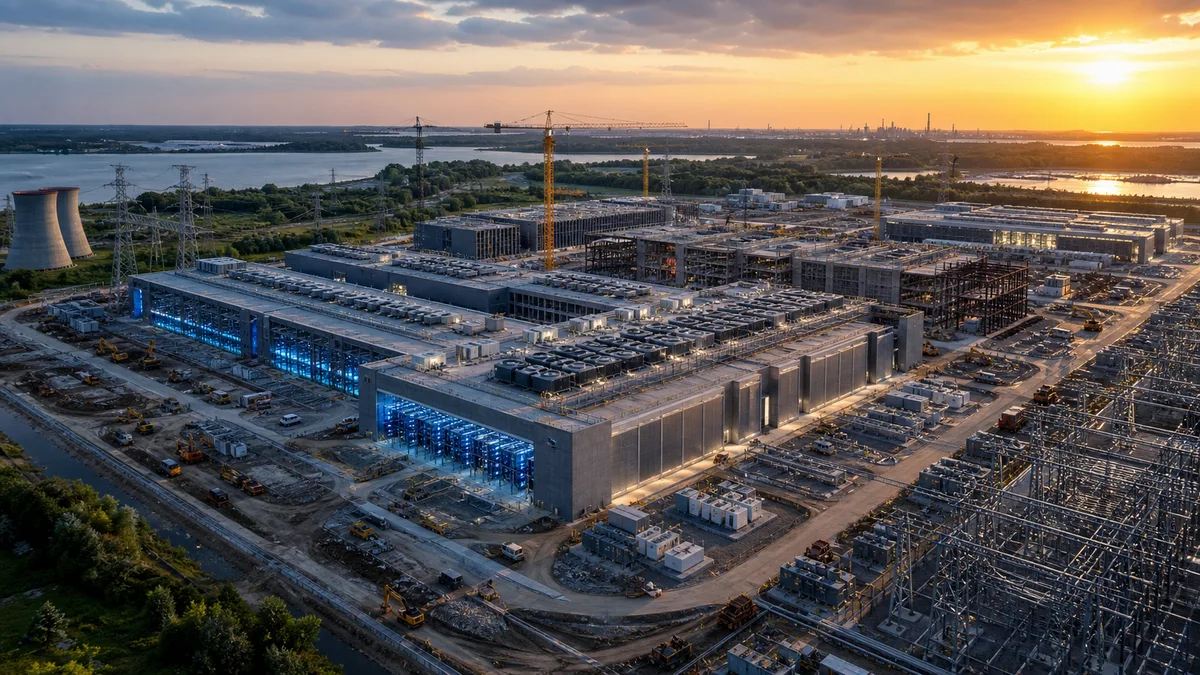
A 700MW campus is especially significant because it signals a long-term bet on AI demand. The operator is not planning for a few racks of cloud capacity. It is planning for a regional compute hub that could serve hyperscalers, enterprises, sovereign AI projects, and future workloads that do not yet have stable demand forecasts.
France is an important setting for this kind of project because European governments want more control over digital infrastructure. AI capacity is becoming part of economic competitiveness. Countries that lack compute capacity may depend more heavily on foreign platforms, while those that attract data center investment can support local AI ecosystems.
Data Center Dynamics reported that Data4 confirmed a 5 billion euro plan for a 700MW AI data center in northern France, with a former steelworks site set to become a new campus. Reusing an industrial site makes the story even clearer: AI infrastructure is taking over some of the physical footprint once associated with heavy industry.
The campus scale connects with CPU and cloud efficiency questions in our AWS Graviton5 agentic AI analysis. Massive facilities only make financial sense if the compute inside them is efficient, well utilized, and matched to real workload behavior. Power is too expensive to waste on poorly planned architecture.
Communities will also ask harder questions. Data centers promise jobs and investment, but they can strain power grids, alter land use, and raise concerns about water and noise. Operators need transparent local planning because AI infrastructure is visible in a way cloud regions once were not.
The project also reinforces the importance of cooling. As AI racks get denser, air cooling alone becomes harder to rely on. Direct liquid cooling, heat reuse, and careful energy design will increasingly define which campuses can host next-generation accelerators economically.
The Data4 plan shows that AI is turning cloud growth into industrial policy. Compute capacity is becoming a strategic asset, and the countries that build it will have more room to shape their AI future. The challenge is making that growth sustainable, useful, and acceptable to the communities that host it.
The former steelworks context also matters symbolically. Regions that once competed through heavy industry are now being asked to compete through compute, energy availability, and connectivity. That transition can create jobs and investment, but it can also produce tension if local residents see few direct benefits. Operators will need to show how campuses support regional economies beyond construction headlines. Training programs, grid investments, heat reuse, supplier partnerships, and transparent environmental reporting can help. Without that broader story, AI data centers risk being viewed as extractive infrastructure that consumes local resources for distant digital businesses. Industrial policy only works if the industrial host community sees a durable upside.