虎嗅's coverage of Meta exploring cloud infrastructure and AI compute access turns spare capacity into a bigger market question. If a company that built enormous AI resources begins selling access, investors and rivals will ask whether this is clever monetization or a sign of overbuild.
Both readings can be true in different ways. Large AI companies need more capacity than they can use evenly every day. Selling access may improve utilization, but it also invites comparisons with AWS, Azure, and Google Cloud.
The thread also links naturally to our earlier look at the memory chip rumor. For this post, Huxiu Meta AI Compute Report Turns Cloud Capacity Into A Market Question makes that connection specific to 虎嗅: the rumor or report is only useful when it is read beside product timing, component pressure, and the user trust problem around AI Compute.
The current report from 虎嗅 reported that Meta may offer AI compute and model access through a cloud-infrastructure push. That source detail gives the article a concrete starting point, but the bigger value is in reading what the report says about the product category around it.
For customers, another source of AI compute could be useful if it lowers cost or improves availability. For Meta, the challenge is trust. Buyers need service reliability, tooling, support, and clear pricing, not just access to servers.
What makes this worth separating from a normal news brief is the way it changes near-term expectations. Huxiu Meta AI Compute Report Turns Cloud Capacity Into A Market Question is really about timing, confidence, and execution. A small leak can be forgettable, but a leak that points to supply, policy, capacity, or launch positioning can shape how buyers and rivals prepare.
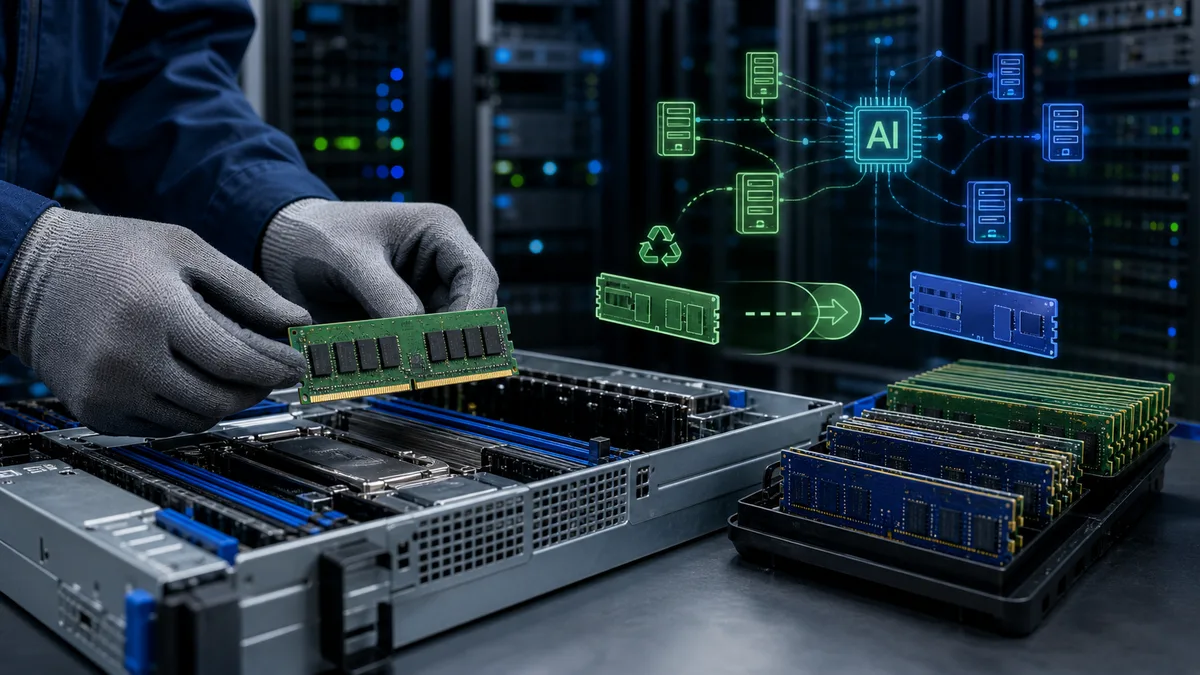
Selling AI compute is more than opening a rack. Customers need provisioning, security boundaries, monitoring, storage, networking, billing, and model tooling. Meta would have to package infrastructure in a way external teams can actually operate.
The move would also blur the line between AI lab and cloud provider. Model builders increasingly own data centers, chips, and deployment platforms. Cloud providers increasingly offer models. The two categories are merging.
Another angle worth keeping in mind is audience behavior around 虎嗅. People following Huxiu Meta AI Compute Report Turns Cloud Capacity Into A Market Question are no longer waiting passively for official launch slides; they compare leaks, supplier moves, policy signals, and early pricing clues before deciding what to buy, build, or avoid.
A compute-selling plan does not automatically mean the AI market is oversupplied. Capacity can be uneven across regions, hardware types, and workload patterns. Some GPUs can be scarce while other resources sit underused.
The important signal will be whether Meta offers a polished commercial product or limited partner access. A real cloud push would change how investors value AI infrastructure inside consumer tech companies.
The practical reading is therefore cautious but not dismissive. For 虎嗅, the headline is the new development. For readers following Meta, the more durable point is whether the companies involved can turn that development into something reliable, understandable, and worth paying attention to after the first leak cycle fades.