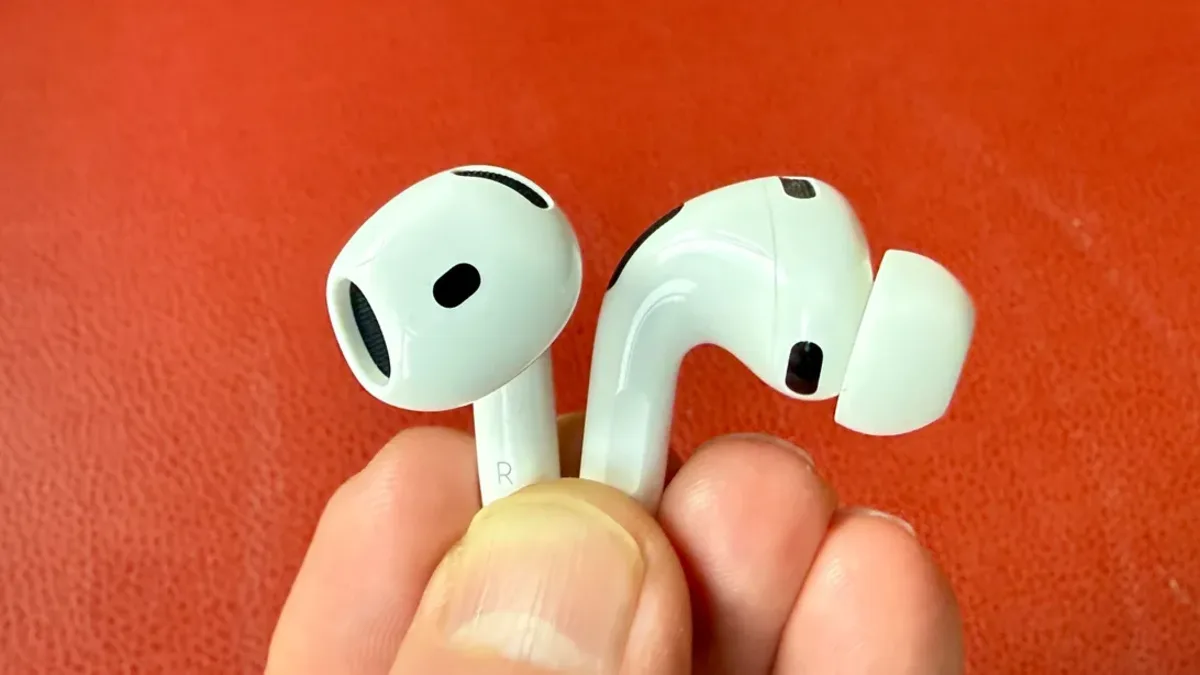
A report from Zhengzhou is a sharp reminder that even small gadgets carry real risk when battery quality, charging behavior, and enclosure design go wrong. A university student said a wireless earbud exploded in his ear while he was using it in bed at night. The incident appears to have ended without serious hearing damage, but the details are still worth taking seriously.
Wireless earbuds are now treated like disposable accessories by many buyers. They are cheap, common, heavily discounted, and often purchased from online recommendations. That convenience can make people forget that each bud contains a tiny battery, charging contacts, circuit boards, a speaker driver, and a sealed shell sitting directly inside the ear.
The reported price of about 70 yuan is not unusual for mass-market earbuds. The owner also said the product was not an unknown low-end brand and that it had sold millions of pairs on mainstream e-commerce platforms. That is exactly why the case matters. Safety concerns are not limited to obscure products with no sales history.
Kuai Technology reported that the student felt brief tinnitus and localized burning after the explosion, later visited a hospital, and was told his eardrum was intact. The report says the manufacturer offered to inspect the failed unit and cover medical examination costs if a product quality issue was confirmed.
There are several possible failure paths in such a device: battery defect, internal short, charging damage, physical wear, moisture intrusion, or manufacturing inconsistency. Without a teardown and official test result, it would be irresponsible to blame one cause. The practical takeaway is broader: tiny lithium-powered devices need the same seriousness we expect from phone chargers and power banks.
That theme matches our previous coverage of phone charger safety problems in fast-charging accessories. Consumers often judge low-cost electronics by whether they work today, but battery products also need to be judged by how they fail. A bad failure mode can turn a cheap accessory into a medical problem.
The sleeping scenario should get special attention. Earbuds are often used at the end of the day when people are less alert, covered by pillows, or lying in positions that trap heat and pressure around the device. Even a rare failure becomes more serious when it happens inside the ear canal. Brands should be clearer about safe overnight use, and reviewers should treat comfort and battery behavior as safety-adjacent topics rather than soft lifestyle notes.
For buyers, the safest habits are basic but useful: avoid sleeping with earbuds in, stop using a bud that heats unexpectedly, keep charging cases dry, replace damaged products, and be skeptical of unusually cheap listings with unclear service support. None of those steps removes all risk, but they reduce exposure.
For brands and platforms, the incident should push more transparent quality control. High sales volume should not become a shield against scrutiny. If a model has a genuine defect rate problem, e-commerce platforms and manufacturers need fast recall paths, not only private after-sales handling. Wireless audio is mature enough that safety should be a baseline feature, not a lucky outcome.