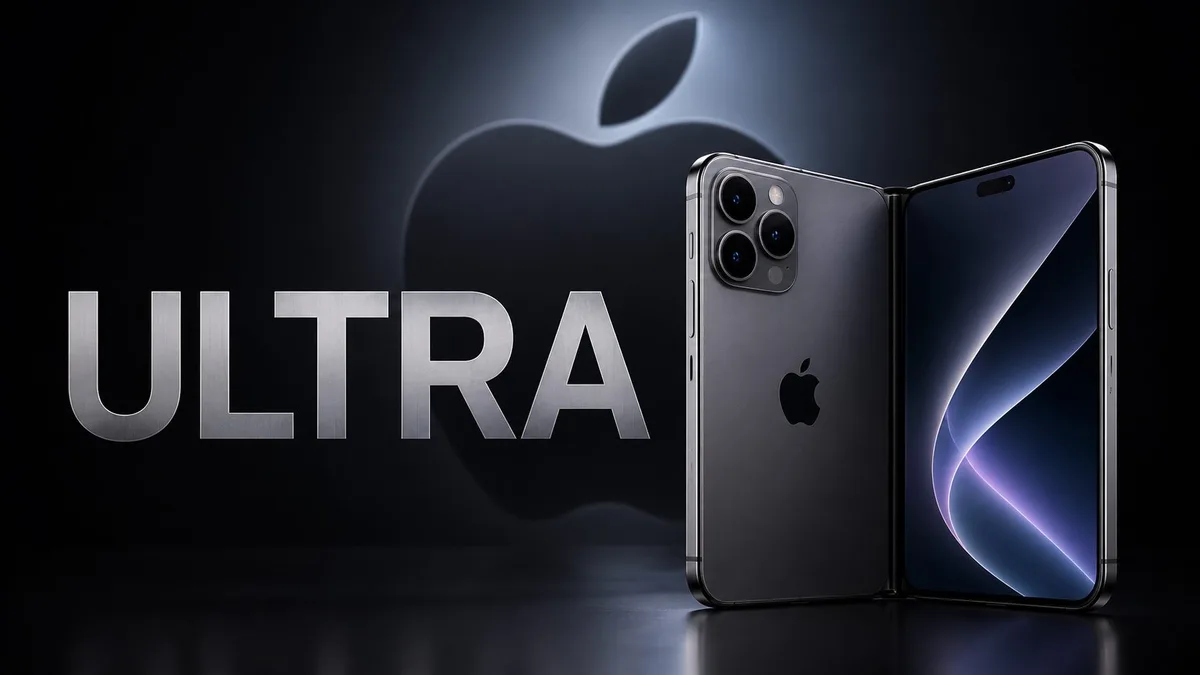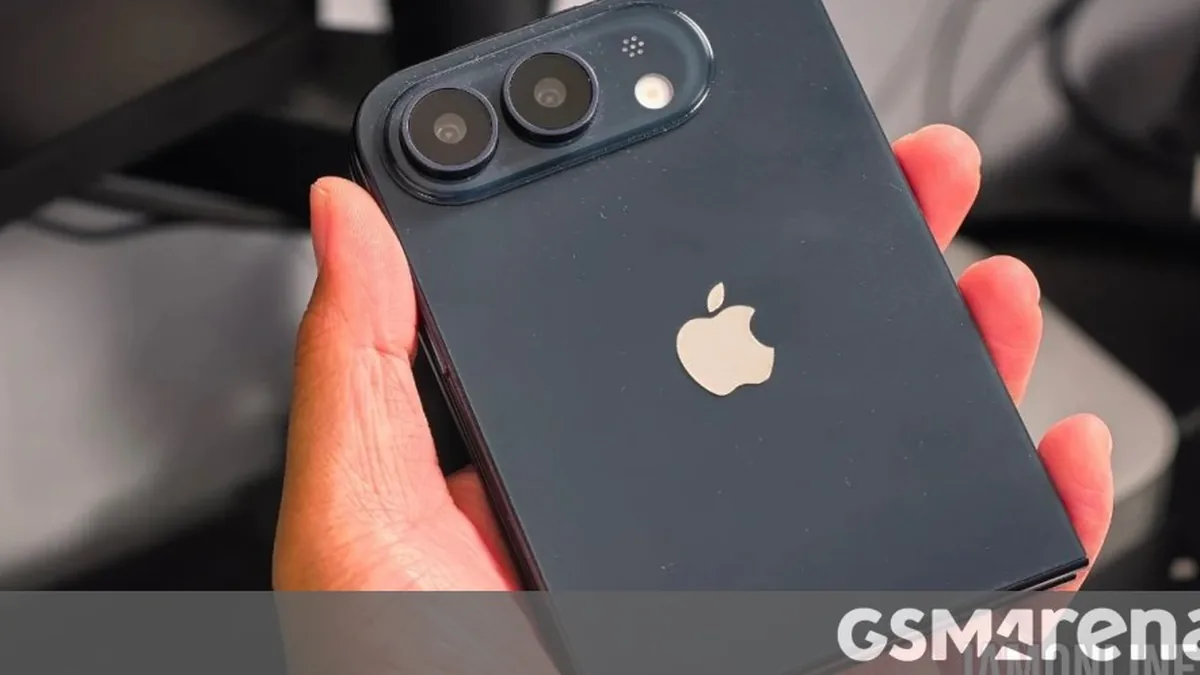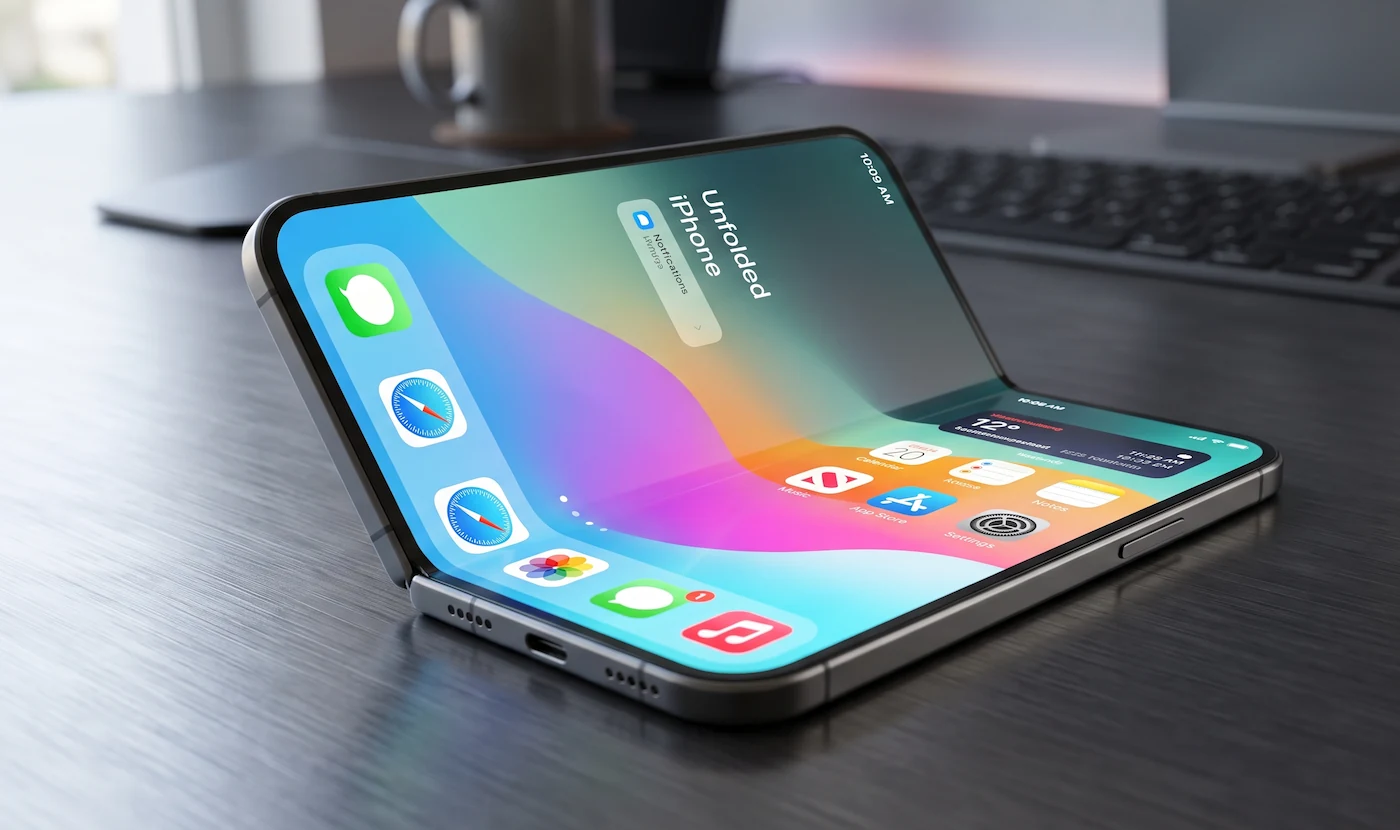
Foldable iPhone Supply Report Makes Apple First Fold Feel Harder to Buy Than to Want is a fresh Apple supply rumor worth reading carefully because it points to a report that Apple first foldable iPhone may be difficult to buy at launch because early production volume could be limited. For foldable iPhone, the important question is whether that clue changes real buying or planning decisions, not whether it creates another loud rumor cycle.
Apple demand is rarely the hard part for a new category; the harder question is whether the supply chain can build enough units that meet Apple durability standards. It also connects naturally with our earlier look at foldable iPhone volume report, because foldable iPhone sits inside the same wider pressure around components, software expectations, and faster product leaks.
The latest source hook comes from Firstpost, where foldable iPhone was pushed back into the current six-hour news window. That timing matters because Apple supply rumor can move quickly when suppliers, retailers, developer clues, or early public sightings start lining up.
A foldable iPhone has to solve display crease control, hinge feel, battery layout, camera placement, and software continuity before Apple can scale it like a normal Pro model. For foldable iPhone, the useful question is how that detail would show up during ordinary use rather than how impressive it looks in an early headline.
For early buyers, scarcity can create urgency, but it can also make the first model feel risky if repairs, cases, and replacement parts are limited. The buying decision around foldable iPhone is really about cost, reliability, support, and the chance that waiting another cycle brings a cleaner option.
Limited launch stock might be a sign of disciplined quality control, or it might reveal that Apple is still learning how to manufacture foldables at iPhone scale. For foldable iPhone, the sensible reading is to treat the report as useful direction, not a finished spec sheet, with room left for engineering changes, regional variants, and launch strategy.
Panel orders, hinge supplier names, and analyst shipment targets will matter more than social media excitement during the next few months. Follow-up evidence around foldable iPhone matters because one report can start interest, while repeated signals from different places create a more reasonable expectation.
Samsung has years of foldable retail experience, but Apple can reshape the category if it enters with a cleaner app and accessory story. That pressure gives foldable iPhone wider competitive meaning, especially for companies planning accessories, software, pricing, or launch timing around incomplete information.
The business pressure behind foldable iPhone is not separate from the technical detail. Component cost, AI expectations, privacy questions, and launch timing all shape whether this Apple supply rumor becomes a real advantage.
Trust is also part of the foldable iPhone story. When a Apple supply rumor depends on hidden sensors, firmware, supply-chain choices, or AI behavior, clear limits matter more than polished launch language.
The strongest version of this report would add filings, retail database entries, teardown evidence, supplier statements, or hands-on testing tied directly to foldable iPhone. Until then, it is a direction marker, not a final buying guide.
For now, foldable iPhone belongs in the watchlist rather than the shopping cart. The next confirmation step matters more than the first headline for foldable iPhone.