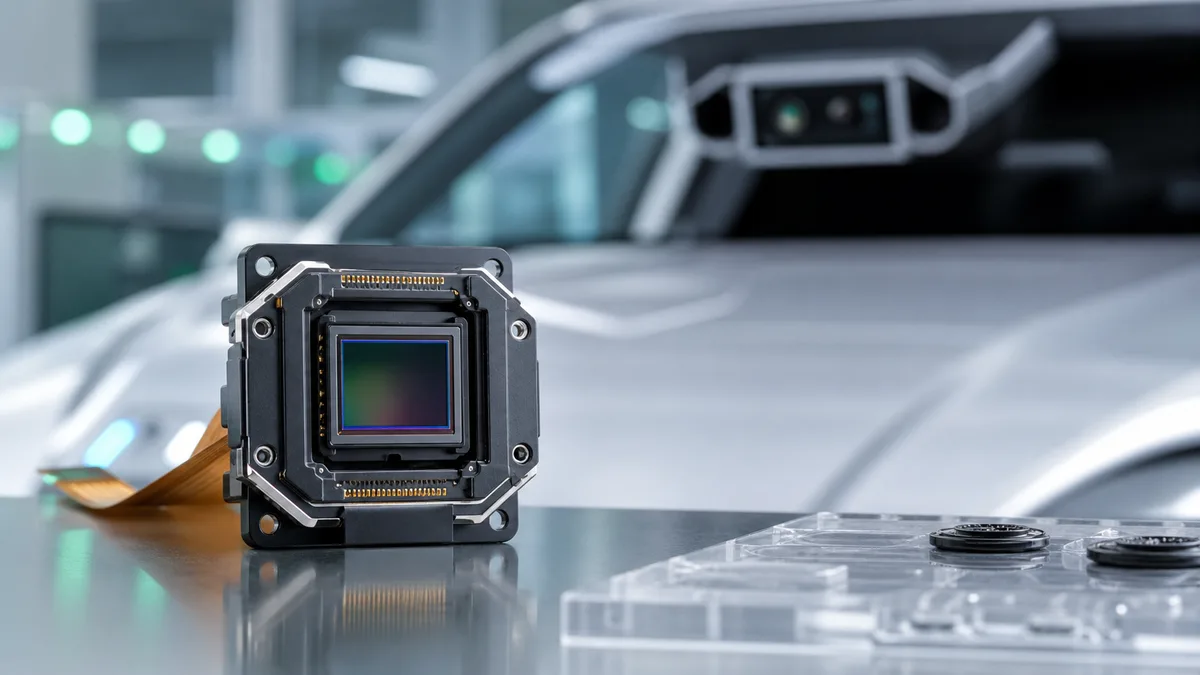
The GC3903 image sensor story is not as loud as a new electric SUV or a robotaxi demo, but it may matter more to everyday smart-car progress. Camera sensors are the eyes of driver assistance systems, parking aids, cabin monitoring, dash recording, and future automation features. As better automotive-grade sensors become cheaper and more widely available, smarter vehicle features can move into lower price bands.
Automotive sensors have to meet a different standard from ordinary phone camera parts. They need to handle heat, vibration, long service life, varied lighting, rain, glare, and safety expectations. A three-megapixel sensor may not sound spectacular in a phone world full of huge numbers, but in a vehicle the question is not vanity resolution. It is whether the sensor can reliably support the task it is assigned.
This matters because car intelligence is increasingly distributed. A vehicle may use front, rear, side, and cabin cameras to understand its surroundings. We have seen the same direction in our coverage of camera-focused robotaxi hardware details, where even cleaning and placement can become part of the autonomy story. The sensor is one small piece of a larger perception stack.
EET China reported that GalaxyCore introduced its first automotive-grade three-megapixel image sensor, the GC3903. The source page was slow to fetch during local metadata checks, but the resolved publisher URL and Google News timestamp placed the report inside the current June 25 source window.
For automakers, the appeal of parts like this is scale. A high-end vehicle can afford a sophisticated camera system, but mass-market models need sensors that balance cost, durability, and performance. If suppliers can deliver automotive-grade parts at volume, features such as better surround view, improved low-light parking assistance, and more reliable driver monitoring can become less exclusive.
The sensor also shows how the smart-car supply chain is becoming more specialized. Consumers may notice the dashboard screen and ADAS label, but the real competition is often deeper: image sensors, processors, wiring, software calibration, and validation. A small improvement in one component can reduce false alerts, improve object detection, or make a camera usable in harsher conditions.
The GC3903 does not transform vehicles by itself. No sensor does. But it is part of the slow, important process of making smarter car vision cheaper and more reliable. That is how advanced safety and convenience features spread: not through one spectacular leap, but through components that quietly become good enough for everyday cars.
Suppliers also need to prove these sensors over long time horizons. A car camera may face years of heat cycles, dust, rain, vibration, and cleaning chemicals. Phone buyers replace devices often; car owners expect hardware to last much longer. That durability expectation is why automotive-grade components move more slowly than consumer parts. If GC3903 reaches volume adoption, it will be because it meets boring reliability requirements as much as image-quality targets.
That is why component launches deserve attention even when they look small. They reveal what features may become normal in the next wave of affordable vehicles, long before those features appear in a showroom brochure.