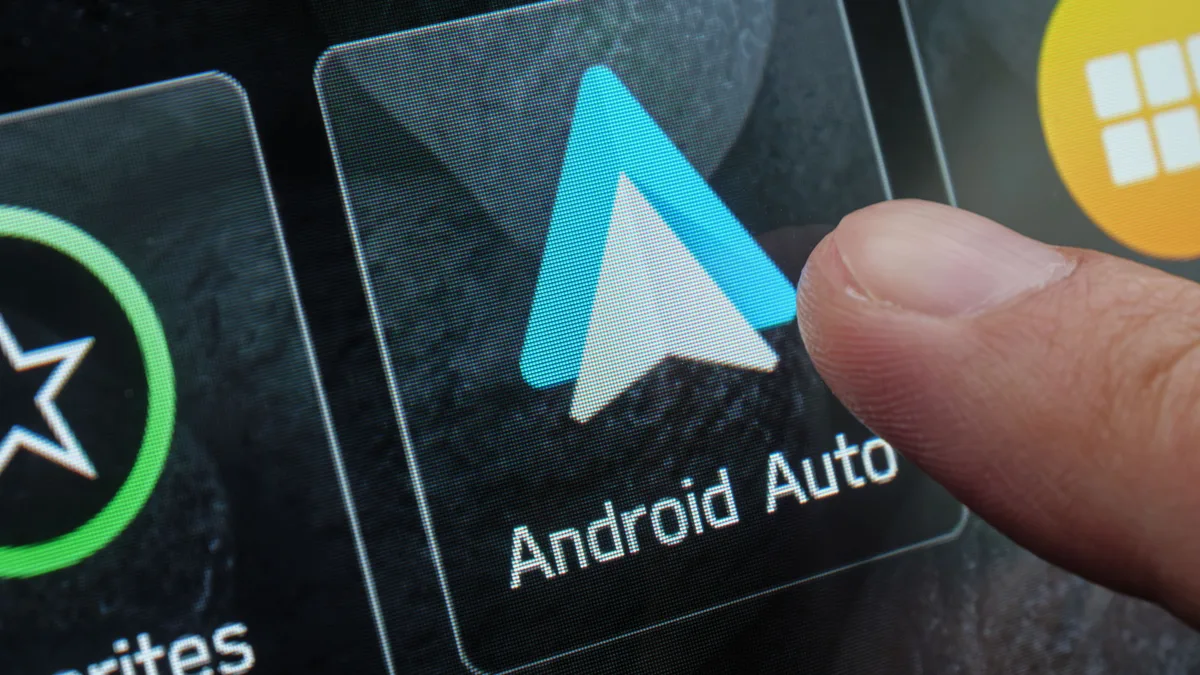
Google Meet support on Android Auto is one of those features that sounds obvious and risky at the same time. Cars have become rolling extensions of the phone, but meetings are not the same as music or maps. A call can be useful for commuters and field workers, yet it also demands careful limits so the dashboard does not become another source of distraction.
The key distinction is audio-first behavior. Most drivers do not need a video grid while moving. They need safe joining, clear audio, quick mute, calendar awareness, and sensible handoff when the car stops. If Google treats Meet in Android Auto like a car-appropriate communication tool rather than a full conference screen, the feature can make sense.
BGR explains how Google Meet works through Android Auto. The useful part is not simply that meetings reach the dashboard; it is how the interface has to reduce the normal meeting app down to driving-safe essentials.
We have covered similar car-interface pressure in car shortcut and control design. Automakers and tech companies are both trying to make vehicles feel more like smart devices, but every added feature must survive the safety test.
The productivity pitch is real. Many people already join calls from cars through Bluetooth, earbuds, or speakerphone. A proper Android Auto experience could make that behavior less chaotic by using the car's microphone, calendar, and controls. It could also make joining less fiddly than handling a phone at a stoplight.
The worry is workplace creep. If joining a meeting from the car becomes too easy, employers may treat commute time as available time. That is not Google's fault alone, but software shapes expectations. The best version of this feature should make necessary calls safer, not normalize constant availability behind the wheel.
This is where car tech is heading: communication, navigation, entertainment, payments, charging, and AI assistance all merging into the dashboard. Google Meet on Android Auto is a small example with big implications. The winning designs will be the ones that respect driving first and productivity second.
There should also be clear defaults for cameras. A car meeting experience should never encourage drivers to manage video while moving. If video is limited, paused, or simplified during driving, the feature becomes more defensible. The design challenge is to support real communication without importing the worst parts of desk-based meeting culture into a space that demands attention.
The feature also raises a design question for automakers. Android Auto can provide the app layer, but cabin microphone quality, noise cancellation, steering-wheel controls, and display layout affect whether calls feel usable. A cheap implementation may technically support Meet while sounding poor on the road. As cars become communication spaces, the hardware around the dashboard becomes part of the productivity experience. That gives automakers another small but real way to differentiate connected cabins.
Google should also build clear calendar filtering. Not every meeting deserves a car prompt. A commute interface should prioritize calls the user has accepted, hide optional clutter, and avoid aggressive nudges. The best car software is selective. It helps when needed and stays out of the way when driving should remain the only task.