Health is one of the hardest places for an AI assistant to improve. Users want clear answers, but they may be anxious, tired, embarrassed, or missing important context. A model that sounds friendly but gives careless guidance can cause real harm. A model that refuses too often becomes useless. The challenge is not simply being smarter. It is knowing how to communicate uncertainty and encourage the right next step.
OpenAI's latest health-focused update matters because general assistants are already being used for wellness questions, symptom explanations, medication confusion, insurance forms, caregiver support, and preparation for doctor visits. Companies cannot pretend that health questions are rare edge cases. If a mainstream assistant is available all day, people will ask it about their bodies and their families.
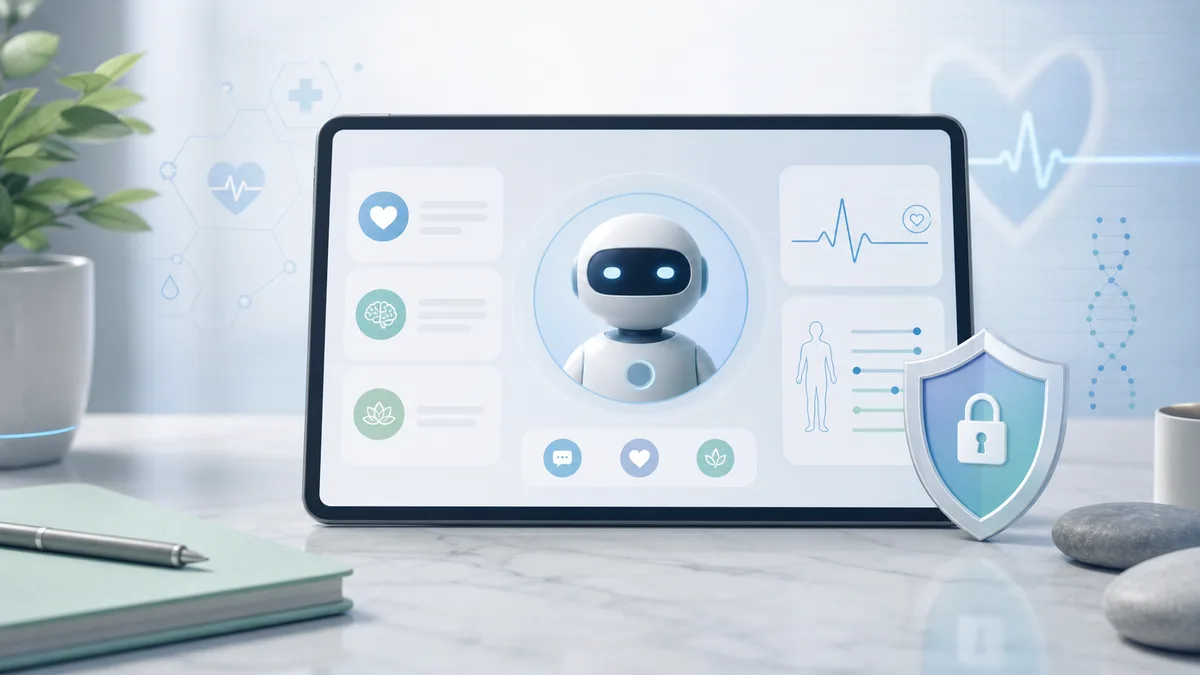
The difficult product line is between support and diagnosis. A helpful assistant can explain medical terms, organize questions for a clinician, summarize instructions, or tell a user when professional help is important. It should not encourage people to treat a model output as a doctor. That distinction has to be designed into the language, safety behavior, and evaluation process.
OpenAI says GPT-5.5 Instant improves ChatGPT's health and wellness responses through stronger reasoning, better context handling, clearer communication, and physician-informed evaluations. The details show how sensitive-domain AI is becoming a model-quality problem and an interaction-design problem at the same time.
The stakes resemble the governance concerns we raised in AI hallucinated report warnings, but health raises the pressure. A fabricated citation in a business report is damaging. A confident answer about symptoms or medication can be more personal and immediate. The assistant must be both useful and careful without making users feel dismissed.
Better health responses also depend on context. People may describe symptoms vaguely, omit age or existing conditions, or ask questions that mix medical, emotional, and logistical concerns. A stronger model can ask clarifying questions and explain why certain details matter. That is often more valuable than rushing to a conclusion. Good health AI should slow down at the right moments.
Privacy is the other major issue. Health questions can reveal deeply sensitive information even when users do not upload formal medical records. Companies need clear data controls, retention policies, and user education. If people do not understand what happens to their questions, trust will remain fragile no matter how polished the answer is.
The GPT-5.5 health update is a sign of where general AI assistants are going. They are no longer novelty tools for trivia and drafts. They are moving into domains where tone, accuracy, safety, and humility matter as much as raw capability. The best health AI experiences will not try to replace clinicians. They will help people understand, prepare, and know when a human professional needs to be involved.
That is also why product defaults matter. A health assistant should make it easy to save questions for a doctor, separate general education from urgent warnings, and avoid pretending that one answer covers every patient. If OpenAI can improve those habits alongside model quality, health conversations in ChatGPT may become more useful without becoming reckless.