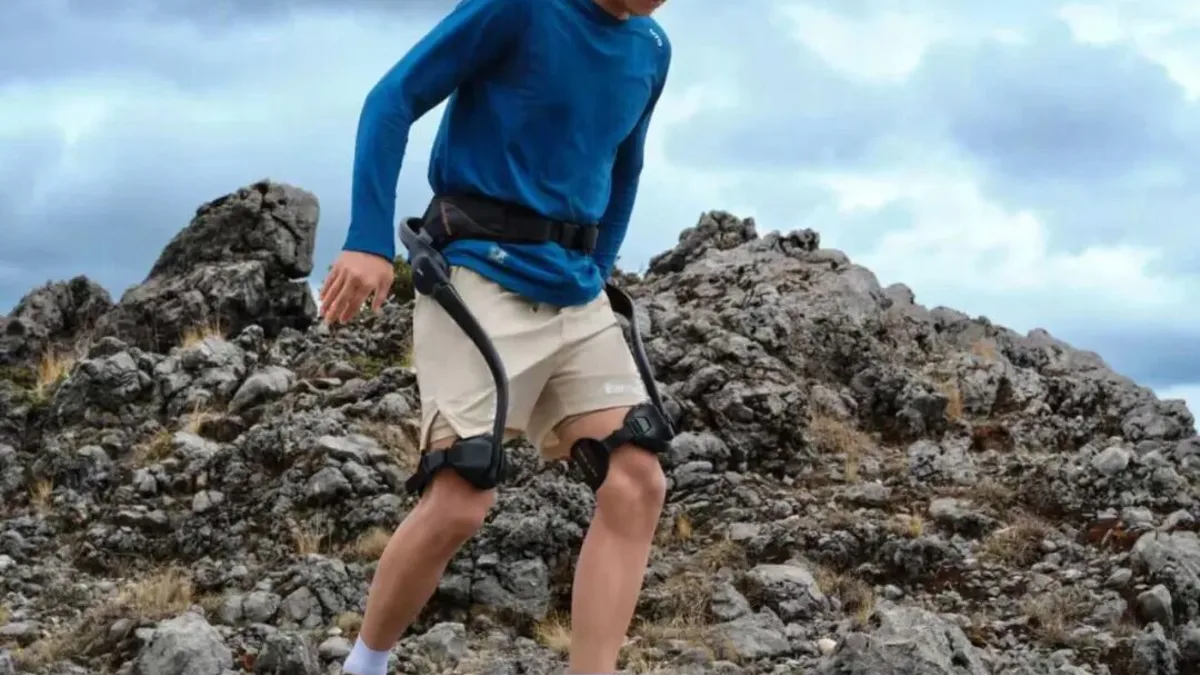
Exoskeleton robots are moving into a more practical conversation, and Haier's reported interest in China's elderly market shows why. Wearable assistive hardware is no longer only a factory or military concept. It is increasingly being discussed as a consumer and care product for people who need help walking, climbing stairs, recovering strength, or reducing fatigue. That shift could make exoskeletons one of the more important gadget categories outside phones.
The elder-care angle is not a niche in China. A large aging population creates demand for devices that help people stay mobile and reduce caregiver strain. A lightweight exoskeleton that supports legs, hips, or lower back movement could be useful if it is comfortable, affordable, and easy to maintain. The problem is that those three conditions are difficult to satisfy at the same time.
Haier's involvement would be interesting because the company understands household distribution, retail presence, and service networks. Exoskeletons are not like buying a smartwatch. Fit, safety, adjustment, training, and after-sales support matter. A brand with home appliance channels could potentially bring assistive robots into stores where families already shop for practical domestic technology.
雷峰网 reported on the boom around exoskeleton robots and examined why Haier is looking toward a market that includes hundreds of millions of older consumers. The report is valuable because it treats the hardware as part of a care ecosystem rather than a futuristic stunt.
The biggest challenge will be trust. A phone can crash and annoy the user. An assistive wearable that supports movement cannot fail casually. It has to be predictable under load, safe when power drops, and simple enough for older users or caregivers to understand. Sensors, motors, straps, battery placement, and software limits all become part of the safety story.
This connects with the broader robotics hardware theme we have been tracking, including embodied robot breakthroughs showing why physical AI needs more than chatbots. The same lesson applies here. Intelligence is useful only when the machine can act safely in the real world, around real bodies, and under messy conditions.
There is also an adoption question. Many older users do not want to look like they are wearing medical equipment. Successful elder-care exoskeletons may need to look discreet, feel light, and work under normal clothing or with familiar support garments. The product design has to reduce stigma as much as strain. That makes industrial-looking prototypes a poor guide to what mainstream versions may become.
Training may become a product feature of its own. Families will need clear fitting instructions, fall-risk guidance, and support when the device feels uncomfortable. A care robot that requires expert setup every time will struggle outside clinics, even if the core mechanics are impressive.
Haier's reported focus suggests the exoskeleton category is entering a commercialization phase where distribution and service could matter as much as robotics labs. If these devices become affordable and dependable, they could help older people stay independent longer. If they remain expensive, bulky, or difficult to fit, they will stay trapped in demonstrations. The next phase of wearable robotics will be judged in homes, not just on show floors.