OBSBOT's growth story says a lot about where camera gadgets are going. The company sits in a space that is not quite a webcam, not quite an action camera, and not quite a traditional creator camera. Its products are built around smart framing, subject tracking, compact designs, and software-driven imaging. That middle category is becoming more important as video work spreads across remote meetings, livestreams, education, and small creator studios.
The old camera market was divided more clearly. Webcams were for computers, action cameras were for movement, mirrorless cameras were for quality, and phone cameras were for convenience. AI tracking has blurred those lines. A small desktop camera that can follow a presenter, reframe automatically, and produce a cleaner image than a laptop webcam can now solve problems that used to require a person behind the camera.
That is why OBSBOT's position between DJI, Insta360, and more traditional camera brands matters. DJI and Insta360 have strong recognition in portable imaging, but smart camera companies can compete by focusing on hands-free control and software behavior. In many rooms, the winning camera is not the one with the biggest sensor. It is the one that points itself in the right direction without interrupting the presenter.
36氪 profiled OBSBOT's smart imaging business and reported strong annual growth while describing the company's place between larger imaging hardware players. The report highlights how this market is becoming a real category rather than a collection of webcam upgrades.
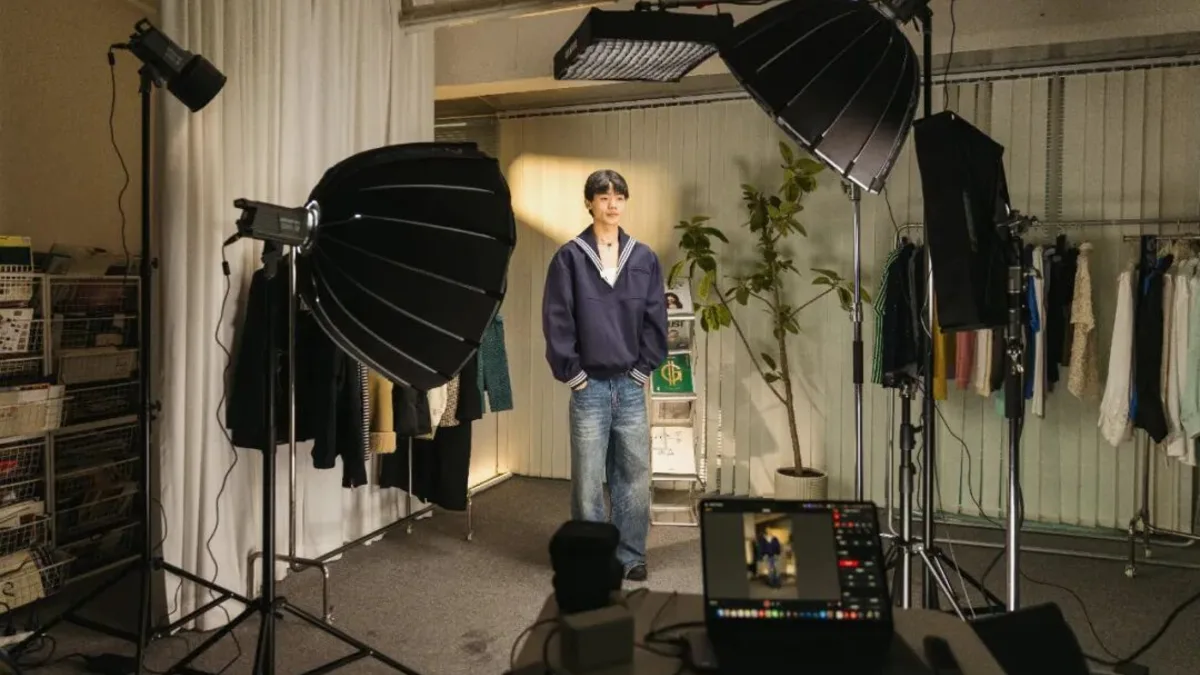
For buyers, the appeal is practical. A teacher can move around a classroom. A founder can record a pitch without a camera operator. A streamer can keep framing consistent while switching between desk and whiteboard. Small teams can look more professional without building a studio. These are not glamorous use cases, but they are repeatable, and repeatable use cases build hardware categories.
The timing also fits the creator-camera pressure we discussed in the DJI and Insta360 patent fight over pocket cameras. Portable imaging is now valuable enough that companies are defending designs, software tricks, and category leadership aggressively. OBSBOT's growth shows there is room for another path focused less on extreme footage and more on automated production.
The category still has weaknesses. AI framing can feel unnatural if it moves too often or lags behind the subject. Privacy concerns grow when cameras are always watching for motion. Software support has to be strong across meeting apps, streaming tools, and operating systems. A smart camera that only works well in its own app is much less useful than one that behaves cleanly everywhere.
Mounting flexibility is easy to overlook but important. A camera that tracks well from only one angle will frustrate teachers, coaches, and small teams. The strongest smart cameras will adapt to shelves, tripods, monitors, and cramped desks without demanding a studio layout.
OBSBOT's momentum suggests smart imaging is becoming a normal work and creator accessory. Phones remain the most important cameras people own, but they are not always the best camera to leave on a desk, mount above a monitor, or use for a full session. As more video work becomes routine, small AI cameras may become as common as microphones and lights in serious home setups.