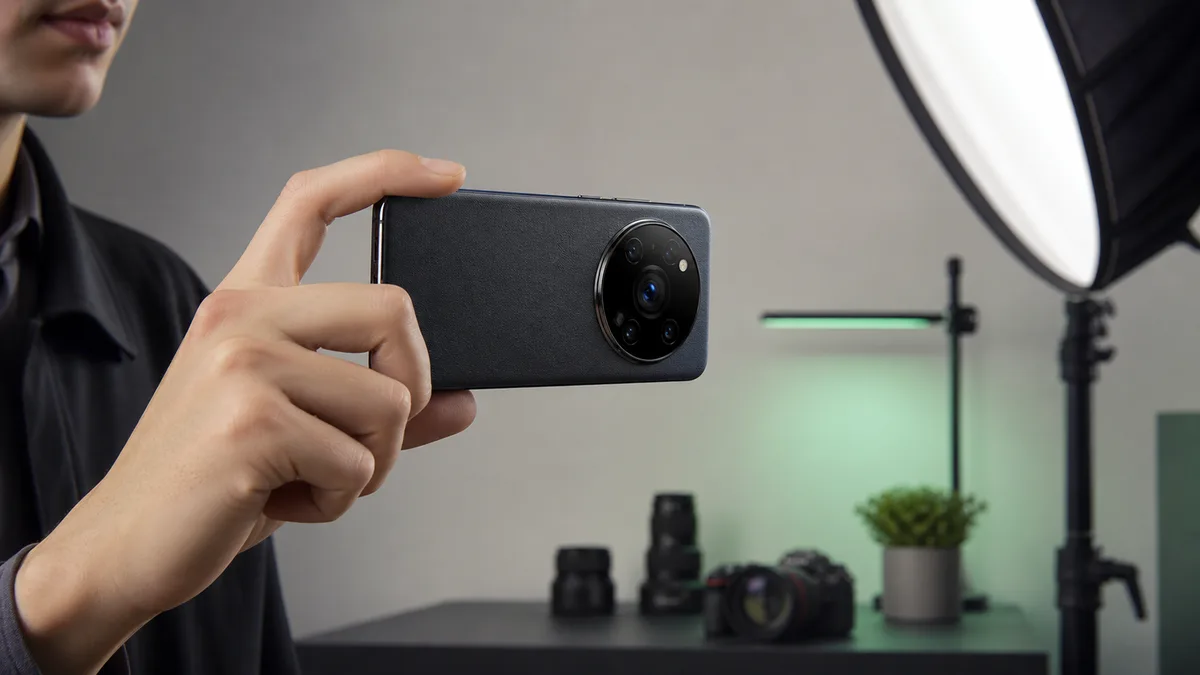
The Huawei Pura 90 camera discussion is interesting because it treats portrait photography as the buying decision, not a bonus feature. That reflects how many people actually judge phone cameras. They may talk about sensors and zoom ranges, but the photos they care about most are often people: friends at dinner, family indoors, travel portraits, pets, children, and quick shots where skin tone and motion matter.
For Huawei, that is familiar territory. The Pura line has long been tied to mobile imaging, and portrait quality gives the brand a way to speak to everyday buyers without turning the conversation into a technical chart. A phone can have a large sensor and still fail if faces look overprocessed, shadows turn muddy, or background blur feels artificial.
A portrait-focused buying guide also shows how complicated camera-phone lineups have become. Users are not only choosing between storage sizes or colors. They are choosing between camera stacks, lens choices, computational processing, selfie behavior, and video features. A clear explanation of which model suits portrait use can be more helpful than another spec table.
The Pura 90 camera guide was published by ITBear, and it connects with the broader camera-phone race we have tracked through devices like the Sony Xperia 1 VIII. Different brands approach imaging differently, but the goal is the same: make difficult photos look natural without requiring editing skill.
Portraits Expose Camera Weakness Quickly
Portrait photography is a tough test for a phone because it combines several challenges at once. The device must handle skin texture, hair edges, glasses, motion, indoor lighting, mixed color temperatures, and background separation. If processing becomes too aggressive, faces look waxy. If it is too conservative, the shot can look flat or noisy.
Huawei's advantage has often been confidence in image tuning. The risk is that buyers now expect consistency across every lens and lighting condition. A main camera may produce excellent portraits in daylight, but a telephoto lens or front camera can still disappoint. The best portrait phone is not the one that wins one scene; it is the one that stays reliable across many ordinary moments.
There is also a social-media angle. Portraits are shared quickly, often without editing. That makes default color, contrast, and skin rendering extremely important. A camera that produces flattering but believable images can become a selling point even for buyers who never read sensor names.
The Pura 90 conversation shows where premium phones are heading. Camera hardware still matters, but the practical question is simpler: which phone makes people look good without making them look fake? If Huawei answers that clearly, portraits can remain one of its strongest flagship arguments.
That question is especially important for buyers who do not edit photos. They want a phone that handles restaurant lighting, backlit windows, busy streets, and quick group shots without forcing them into manual mode. A portrait-first Pura 90 recommendation therefore has to be grounded in consistency, not just impressive samples. The best camera phone is the one people trust before the moment disappears.