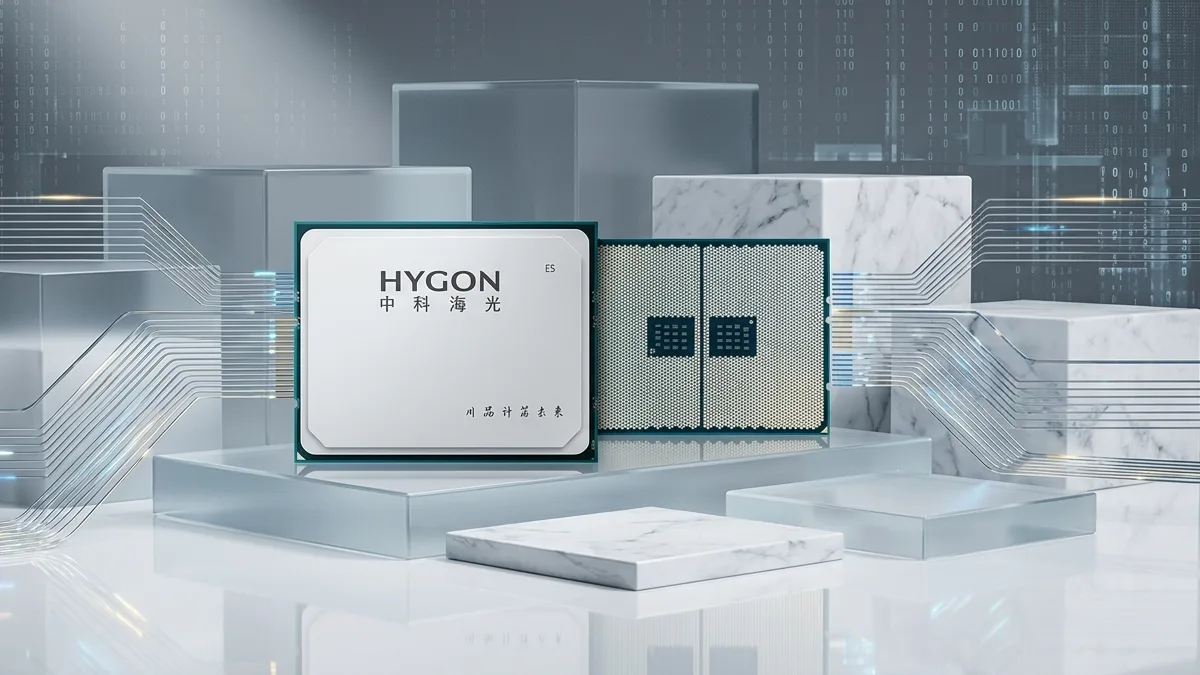
Hygon's latest hardware reveal matters because it widens the story around China's AI infrastructure. The headline number is a 512-thread CPU, but the bigger point is that the company is also talking about AI GPU hardware. That combination suggests a push to cover more of the data-center stack, from general compute to accelerated model workloads, at a time when access to advanced foreign chips remains politically and commercially complicated.
China's AI hardware market is not a single-company race. Huawei gets much of the attention because of Ascend, but server buyers also need CPUs, networking, storage, management software, and enough vendor diversity to avoid one bottleneck replacing another. Hygon's move fits that broader need. A domestic compute base becomes more valuable when model builders, cloud providers, and government buyers want predictable supply.
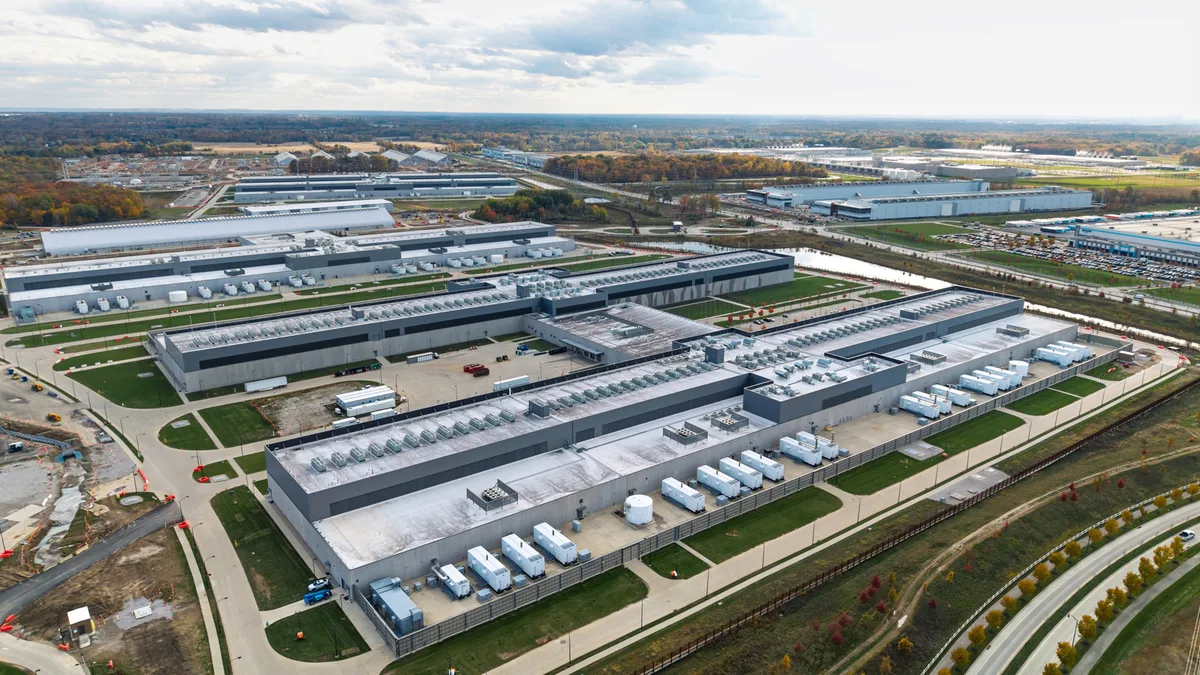
The new lineup also shows why chip comparisons can be misleading when they focus only on an Nvidia or Intel rival label. Competing with established data-center platforms is not only about launching a chip. It is about compilers, drivers, board partners, rack integration, thermal design, and developer confidence. Our earlier coverage of large AI data-center buildouts showed how infrastructure decisions stretch across power, land, hardware supply, and long-term operating plans.
Ubergizmo reported Hygon's 512-thread CPU and AI GPU announcement, framing the hardware as a challenge to established Xeon and Nvidia-style data-center roles. That framing is reasonable, but the real test will be whether Hygon can support sustained production workloads, not just present impressive specifications.
A 512-thread CPU points toward dense server use cases where parallelism matters. Databases, virtualization, cloud hosting, and preprocessing pipelines can all benefit from more thread capacity if memory, I/O, and software scheduling keep up. The AI GPU side is more difficult. Model training and inference require mature software paths, and buyers will judge performance per watt, model support, and deployment friction.
The politics cannot be ignored either. Export restrictions have made domestic AI hardware a strategic priority. That pressure can accelerate adoption, but it can also hide rough edges if customers buy because of necessity rather than preference. The strongest outcome for Hygon would be hardware that stands on practical value: available supply, stable drivers, competitive power use, and enough ecosystem support to make migration realistic.
For global chip watchers, the Hygon reveal is another sign that the AI compute market is fragmenting. Nvidia remains the benchmark, but regional alternatives are becoming more serious. That does not mean every challenger will win large international share. It does mean data-center planning is becoming more local, and chips like Hygon's will be judged inside that local infrastructure reality.
Another detail to watch is who adopts the platform first. Government-backed deployments, domestic cloud providers, and research institutions may move earlier than private buyers because supply certainty can matter as much as raw speed. That first wave can still be valuable if it exposes stability problems and creates software demand. Hygon does not need to beat every global rival immediately to matter. It needs to become good enough for workloads where availability, local support, and policy alignment are part of the buying decision.