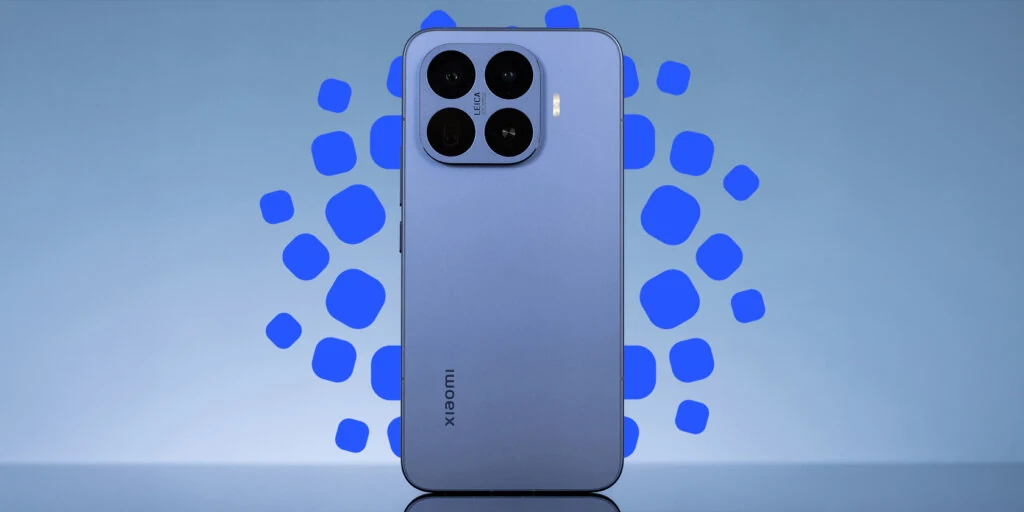
Ifeng Xiaomi 17 Sales Exposure Keeps Ultra Demand Under the Microscope is a fresh Chinese smartphone sales exposure worth reading carefully because it points to Chinese reporting that Xiaomi 17 series sales have crossed 5.5 million units while the Ultra model remains a smaller slice. For Xiaomi 17 sales data, the important question is whether that clue changes real buying or planning decisions, not whether it creates another loud rumor cycle.
Sales leaks are useful because they show whether a flagship story is truly broad or mostly concentrated in the standard models. It also connects naturally with our earlier look at Xiaomi flagship pricing pressure, because Xiaomi 17 sales data sits inside the same wider pressure around components, software expectations, and faster product leaks.
The latest source hook comes from 凤凰网科技, where Xiaomi 17 sales data was pushed back into the current six-hour news window. That timing matters because Chinese smartphone sales exposure can move quickly when suppliers, retailers, developer clues, or early public sightings start lining up.
A strong total shipment number can hide a more complicated product mix, especially when the Ultra model carries the biggest camera and margin expectations. For Xiaomi 17 sales data, the useful question is how that detail would show up during ordinary use rather than how impressive it looks in an early headline.
For buyers, the demand split can influence discounts, stock levels, update attention, and how aggressively Xiaomi positions the next Ultra. The buying decision around Xiaomi 17 sales data is really about cost, reliability, support, and the chance that waiting another cycle brings a cleaner option.
Unofficial sales figures can come from channel checks or estimates, so the exact number should be read as direction rather than audited fact. For Xiaomi 17 sales data, the clue is strong enough to follow, but still too early to turn into buying advice, with room left for engineering changes, regional variants, and launch strategy.
Retail availability, official milestone posts, and supplier orders will show whether the Ultra is gaining momentum or staying niche. Follow-up evidence around Xiaomi 17 sales data matters because one report can start interest, while repeated signals from different places create a more reasonable expectation.
The same pressure applies to Samsung and Apple: premium models create the image, but mainstream models often carry the volume. That pressure gives Xiaomi 17 sales data wider competitive meaning, especially for companies planning accessories, software, pricing, or launch timing around incomplete information.
The business pressure behind Xiaomi 17 sales data is not separate from the technical detail. Component cost, AI expectations, privacy questions, and launch timing all shape whether this Chinese smartphone sales exposure becomes a real advantage.
Trust is also part of the Xiaomi 17 sales data story. When a Chinese smartphone sales exposure depends on hidden sensors, firmware, supply-chain choices, or AI behavior, clear limits matter more than polished launch language.
The strongest version of this report would add filings, retail database entries, teardown evidence, supplier statements, or hands-on testing tied directly to Xiaomi 17 sales data. Until then, it is a direction marker, not a final buying guide.
The most useful way to read Xiaomi 17 sales data is as a direction signal, not a finished promise. The next confirmation step matters more than the first headline for Xiaomi 17 sales data.