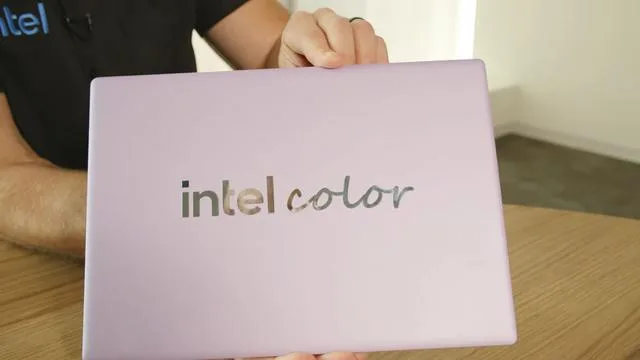
Intel's reported Firefly plan is interesting because it treats the low-cost laptop problem as a parts problem, not only a processor problem. Cheap notebooks often fail because every component feels like a compromise: weak screens, poor batteries, bulky boards, noisy thermals, and bodies that age quickly. Borrowing from the phone supply chain could help reshape that equation if Intel and its partners can adapt mobile-style parts without making laptops feel disposable.
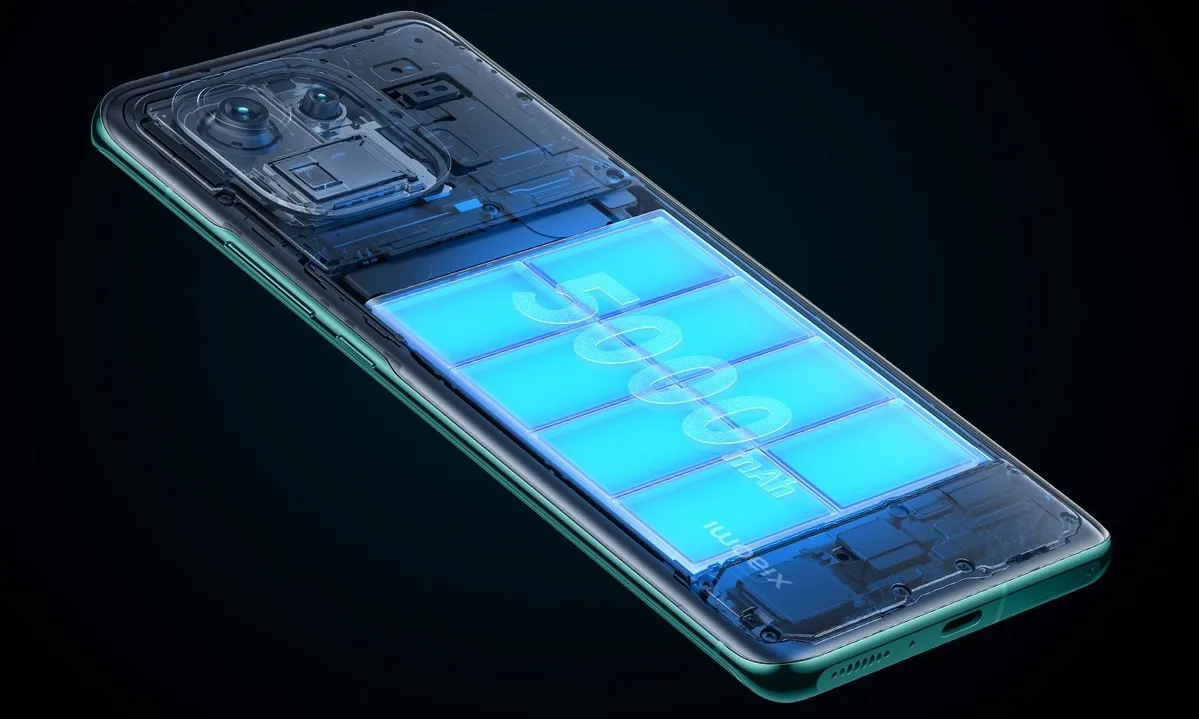
Smartphone components are built for scale, efficiency, and compact packaging. Batteries, cameras, speakers, displays, wireless modules, and tightly integrated boards are produced in huge volumes. If some of that manufacturing logic can be applied to entry laptops, brands may be able to build thinner, lighter, cheaper machines with better battery life. The idea is not to turn a laptop into a phone. It is to use the phone industry's efficiency where it makes sense.
网易数码 reported the Firefly plan as an Intel effort to use phone components to reshape low-priced laptops. The report is notable because it points to a structural change in how budget PCs might be built, not merely another low-end chip launch.
This sits beside the broader laptop value fight we covered in the MacBook Neo and Dell XPS 13 comparison. The entry laptop market is suddenly strategic again. Apple and Dell are pushing recognizable designs downward, while Intel may be looking at supply-chain methods that make cheaper Windows machines more competitive.
The risks are obvious. Phone parts are not automatically laptop-grade. Keyboards, hinges, cooling, storage endurance, repairability, and port durability still matter. A laptop is touched differently, carried differently, and expected to last through different workloads. If manufacturers use phone-style components only to cut cost, the result could be another wave of underwhelming budget machines. If they use the supply chain intelligently, the category could improve.
The most promising outcome would be a new class of affordable laptops that feel modern without pretending to be premium. Students, families, and emerging-market buyers need reliable machines more than they need extravagant specs. Intel's Firefly idea, if it becomes real, could make that possible by pulling lessons from the most efficient consumer electronics supply chain in the world. The cheap laptop does not need to stay cheap-feeling forever.
Education could be the first real test. Schools and families need devices that are affordable, durable, easy to charge, and good enough for browser work, video calls, documents, and light creative tasks. Phone-style component thinking could help with battery life and size, but the machines still need strong hinges, readable screens, and keyboards that survive daily use. Intel and its partners should avoid chasing the thinnest possible design if it weakens repairability. A slightly thicker laptop with better endurance and lower cost would be more useful than an elegant device that fails early. The Firefly idea is promising because the low end of the PC market needs fresh thinking. The goal should not be to make a laptop more like a phone; it should be to make affordable laptops benefit from what phones already taught the industry about scale.