Not every CPU generation is designed to be a clean break. Sometimes the most important product is the one that keeps a familiar platform alive at the right price. The latest Raptor Lake Next rumor points in that direction for Intel: a refreshed lineup that could sit below newer architectures and keep budget desktops moving without forcing every buyer into a fresh platform cost.
The appeal is easy to understand. Many PC builders care more about value, motherboard reuse, memory cost and predictable performance than about owning the newest core design. If Intel can package known silicon behavior into a 2027-era budget lineup, it may give system integrators and entry-level gaming buyers a straightforward option while the high end focuses on Nova Lake or other newer parts.
Tom's Hardware reported that the rumored Raptor Lake Next family could top out at 20 cores, retain Core 200 branding and include a 10-core SKU with a larger L3 cache allocation. The branding detail matters because Intel has been trying to keep its consumer lineup understandable while juggling multiple architectures and price bands.
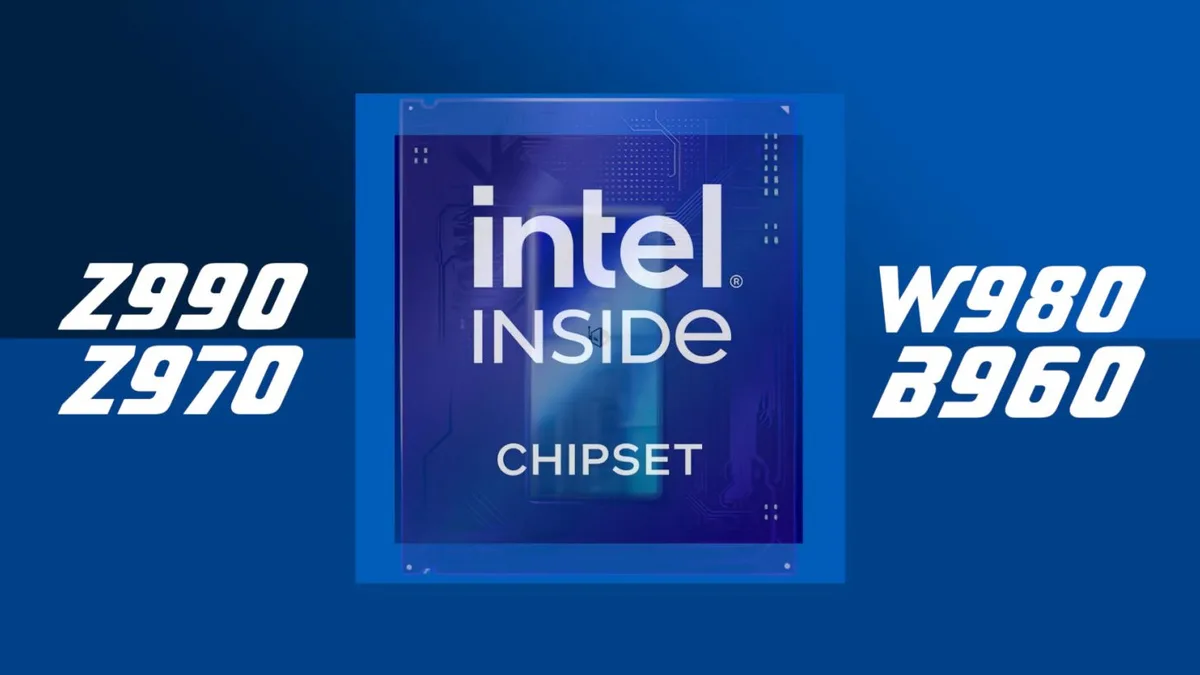
This also connects with our earlier look at the Intel Z990 platform leak. Desktop buyers are not only shopping CPU cores; they are buying into motherboard lanes, memory support, cooling expectations and upgrade paths. A refreshed budget lineup can make sense if the surrounding platform is stable enough for OEMs and builders to trust.
Performance will depend on clocks, cache behavior, power limits and pricing. A recycled architecture can still be competitive if Intel positions it honestly. For many games and common productivity workloads, a well-priced chip with strong single-thread performance and enough cores remains attractive. The danger is power efficiency. Raptor Lake-class parts have often needed careful tuning, and a budget chip that runs hot can lose some of its price advantage through cooling and power draw.
The rumored special 10-core model is particularly interesting because cache-heavy configurations can help certain gaming workloads. More cache is not a universal fix, but it can reduce memory trips and smooth frame pacing in some cases. If Intel uses that kind of SKU to create a value gaming part, it would be responding to the same buyer psychology that made cache-focused desktop chips popular elsewhere.
For AMD, the rumor is a reminder that budget competition can come from older architecture as much as new silicon. A mature process, cheaper motherboards and existing supply chains can make a refreshed Intel part annoying to compete with if the price is right. For Intel, the challenge is avoiding confusion. Buyers need to know what they are getting and why it exists beside newer products.
The Raptor Lake Next rumor should be treated as unofficial until Intel announces real SKUs. Still, the strategy would be logical. High-end CPU marketing may focus on fresh architectures and benchmark wins, but the market also needs reliable parts for mainstream desktops. If Intel can deliver that without overpromising, Raptor Lake Next could keep a useful lane alive for budget gaming PCs and everyday workstations.