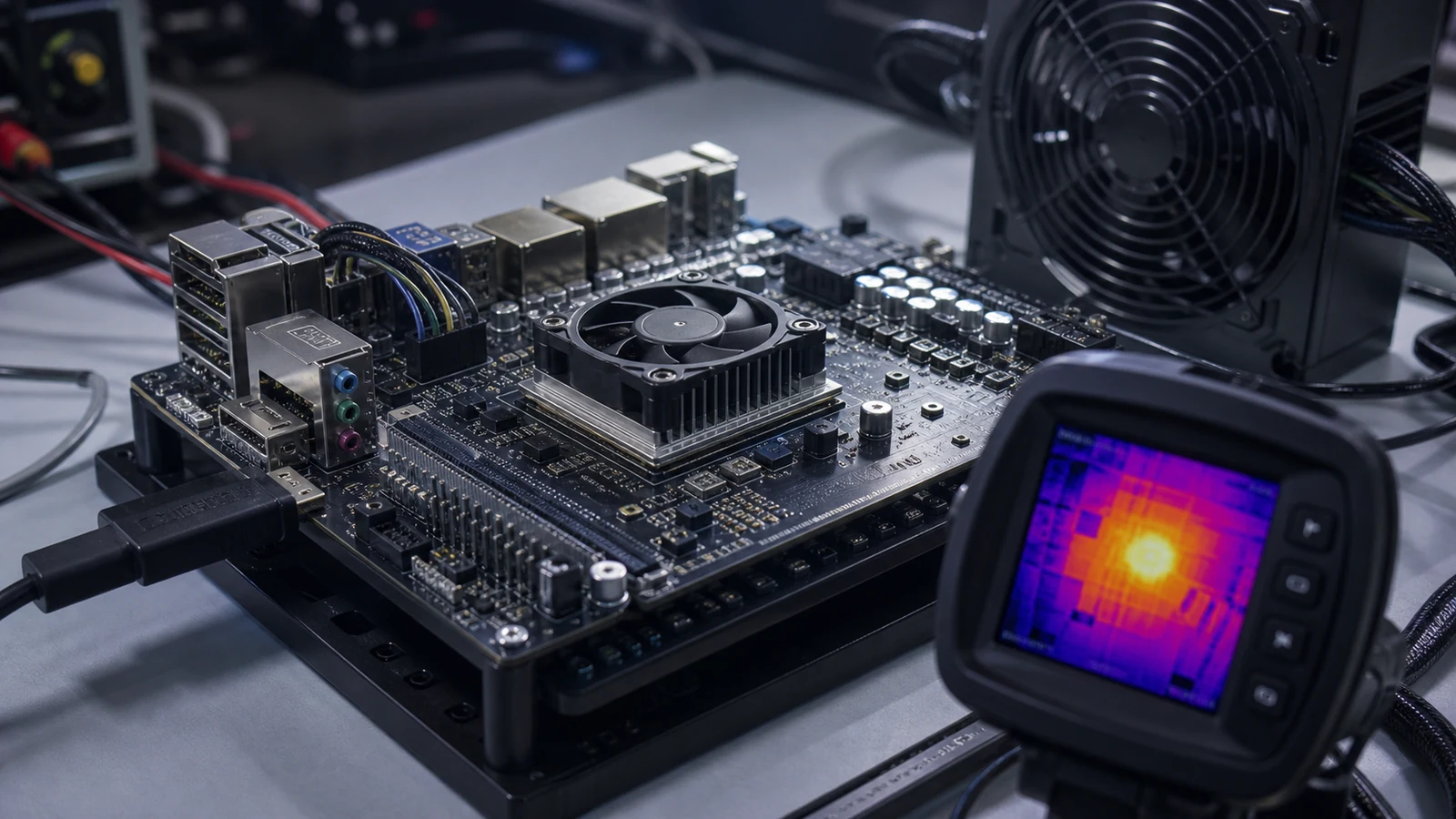
The Intel Z990 chipset leak is a reminder that motherboard thermals are not only about the CPU socket. Enthusiasts often focus on processor cooling, VRMs, memory, and GPU airflow, but the platform controller hub can become a real thermal object when power rises. If the Z990 chipset draws meaningfully more power than Z890, board makers may have to rethink the small passive heatsinks that many users barely notice.
The claim that some boards may need active PCH cooling will not make everyone happy. Tiny chipset fans have a mixed reputation because they can add noise, dust concerns, and long-term failure points. PC builders still remember older boards where small fans became irritating before the rest of the system aged. If Z990 boards need active cooling only at the high end, manufacturers will need to explain why and make the implementation quiet enough to avoid backlash.
The bigger context is platform complexity. Modern motherboards carry more high-speed I/O, storage lanes, USB features, networking, and overclocking support than older boards. Those features create heat and layout challenges. A chipset power increase could be the cost of supporting a richer platform, but it also makes board design more expensive.
The leak reported by ITHome included physical photos attributed to laurentschoice and power commentary from jaykihn0, with base and maximum chipset power reportedly rising from the prior generation. The source also noted higher junction temperature figures. These are leak details, not final platform documentation, so board buyers should wait for vendor designs before assuming every model needs a fan.
For motherboard makers, the sensible path is segmentation. Budget boards should stay simple if the thermal load allows it. Premium boards can use larger passive heatsinks, heat pipes, or quiet active cooling if they are pushing every I/O feature. The worst outcome would be noisy fans on mainstream boards where users do not benefit from the extra platform complexity.
For PC builders, the Z990 leak is a reason to inspect board layouts more carefully when the platform launches. Chipset cooling, M.2 heatsink placement, GPU clearance, and case airflow all interact. The next generation may make those small details more important than another decorative shroud.
The leak may also influence case design and airflow advice. Builders who pack multiple SSDs under large graphics cards already deal with trapped heat. If the chipset adds more thermal load near those same components, motherboard reviews will need to test real sustained temperatures, not only CPU benchmarks. A board that looks premium in photos can still be annoying if a hidden fan spins up under storage or I/O load.
Intel and board partners can avoid frustration by being transparent. If active cooling is required for certain feature-heavy boards, say so clearly and explain the benefit. If passive cooling is enough for mainstream use, keep designs simple. Enthusiasts will accept complexity when it solves a real problem. They react badly when it feels like decoration with moving parts.
Reviewers should test acoustics carefully if active cooling appears. A small fan that is quiet on day one can still become noisy after dust and heat cycles. Long-term reliability should be part of the platform conversation.