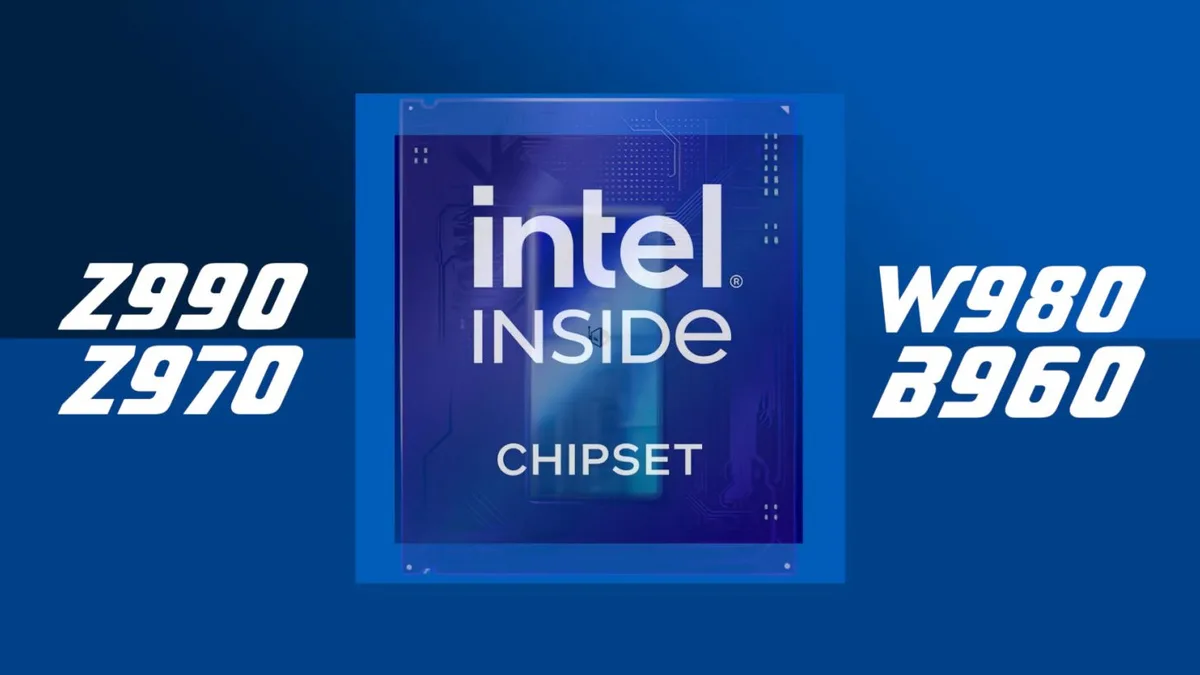
Desktop chipset leaks rarely get the same attention as phone renders, but they shape the gadgets people eventually build, buy, and keep for years. The latest Intel Z990 details point to a platform that leans harder into Gen5 connectivity, a smaller die, and higher chipset power. That combination tells a familiar story: future PCs are being prepared for faster storage, more demanding add-in hardware, and motherboards that carry more of the system burden.
The headline is not simply that Intel has another high-end chipset coming. The interesting part is the balance. A smaller die can suggest manufacturing and cost improvements, while a higher power target suggests more active platform capability. Enthusiasts often focus on CPUs and GPUs, but the chipset determines how many lanes, ports, controllers, and board features can be practical. That affects compact desktops, creator workstations, gaming rigs, and the development machines used to build software for every other device.
For gadget buyers, desktop platform changes may feel distant, yet they influence the whole ecosystem. Faster external storage, more capable docks, new capture devices, higher-bandwidth networking, and better local AI development all depend on the PC platform keeping up. The same is true for handheld gaming PCs and mini desktops, where thermal and I/O decisions are tightly linked. That is why software changes like SteamOS support for Intel handhelds matter alongside motherboard leaks.
Wccftech reports that Z990 and Z970 details are already circulating around Intel's next desktop platform plans. The leak points to a stronger Gen5 focus and a chipset power figure that may reach 14W. That is not phone-like efficiency, but desktop boards have different priorities: expansion, stability, and support for devices that users expect to keep upgrading.
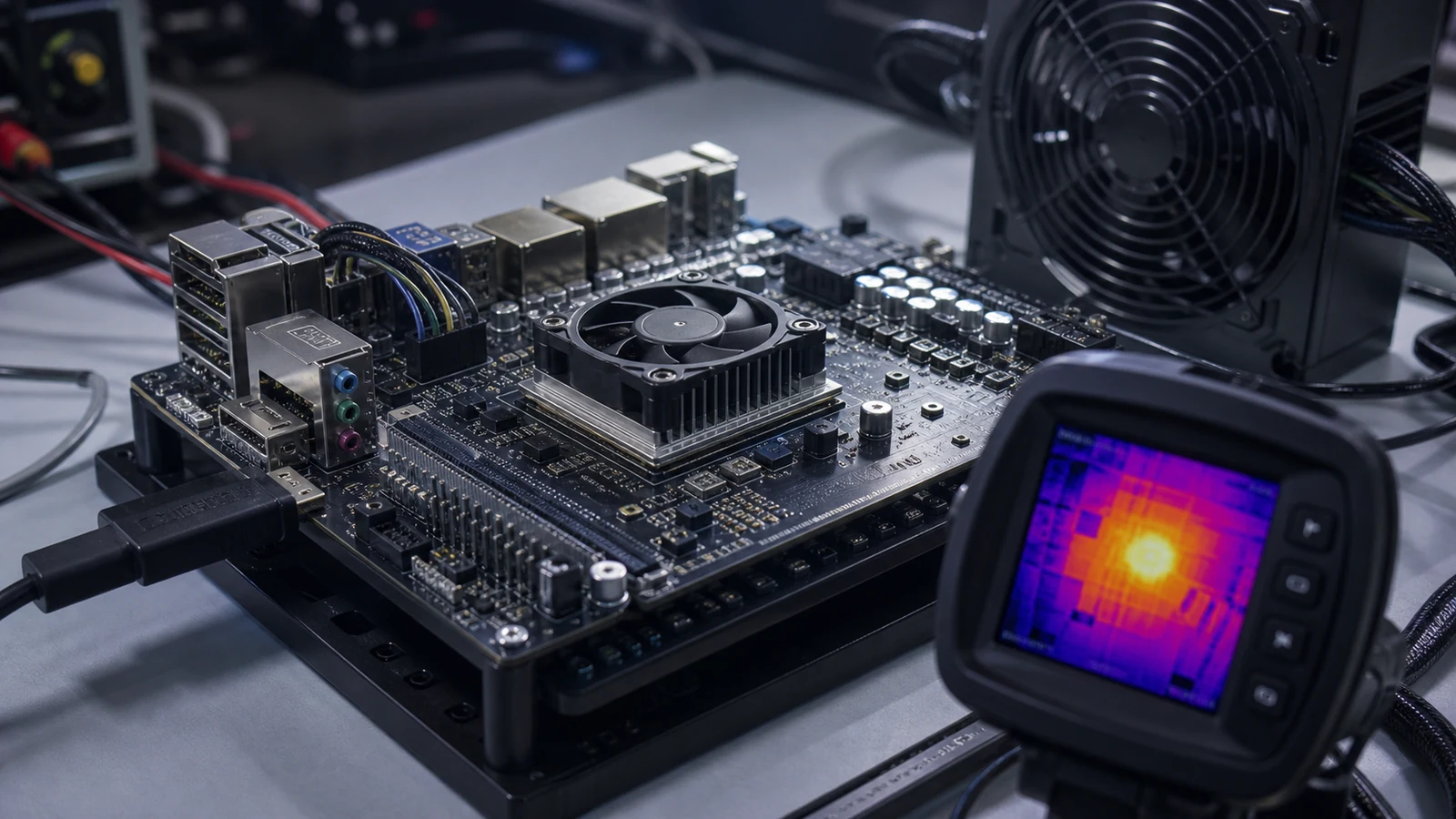
The power figure is worth watching because it may affect motherboard cooling and layout. Chipset heatsinks have become less dramatic than they were during some previous platform eras, but more I/O can still create heat in cramped cases. Board vendors will have to decide whether to make the chipset cooling visible, hide it under larger decorative armor, or tune features differently across price tiers. That can influence reliability as much as marketing.
The Gen5 push also raises a practical question. Many users still do not saturate current storage or PCIe bandwidth, but platform makers plan ahead. Motherboards launched with Z990 may stay in service through several GPU, SSD, and accessory cycles. If the platform is underbuilt, it becomes a bottleneck before the CPU feels old. If it is overbuilt, users pay for features they may not need immediately. The best boards will make that tradeoff clear.
Intel also needs strong platform messaging as it prepares for future desktop CPUs. The company is competing not just on raw core counts, but on confidence after several complicated product cycles. A well-equipped chipset can make a new socket feel more durable, especially for builders who want a platform they can trust through multiple upgrades.
The Z990 leak is therefore more than a motherboard footnote. It is a reminder that the next wave of gadgets still relies on the less glamorous plumbing of the PC world. Phones, wearables, and AI devices get the spotlight, but the workstations behind them need fast lanes, stable boards, and room to grow.