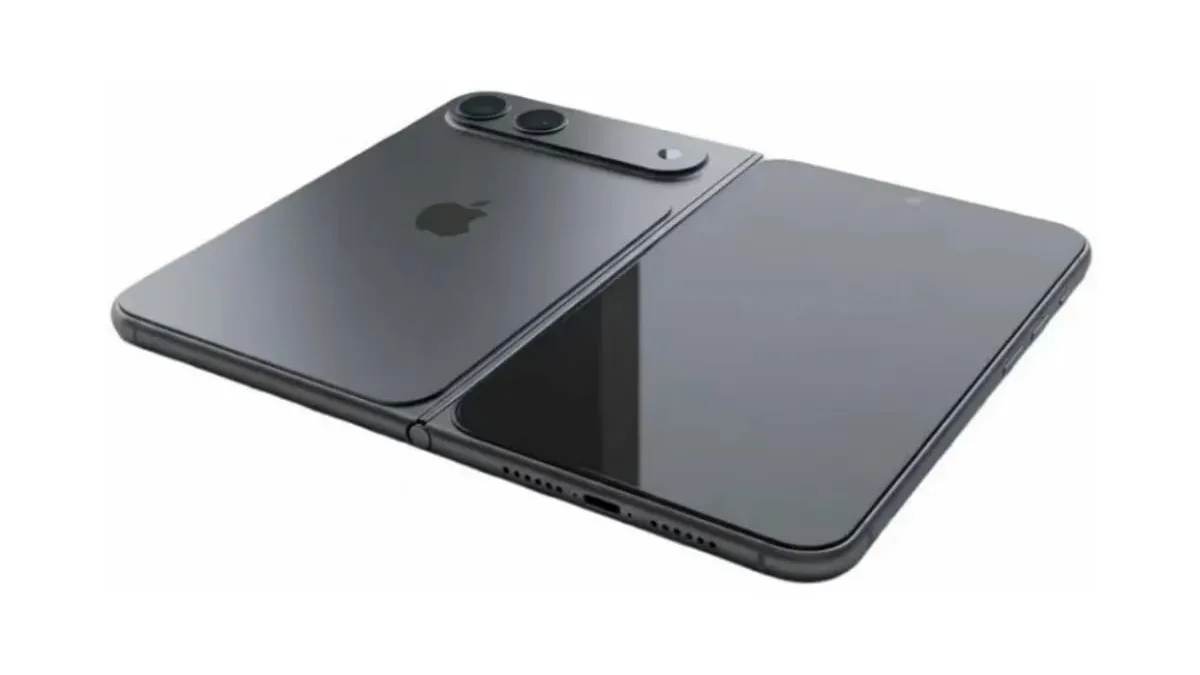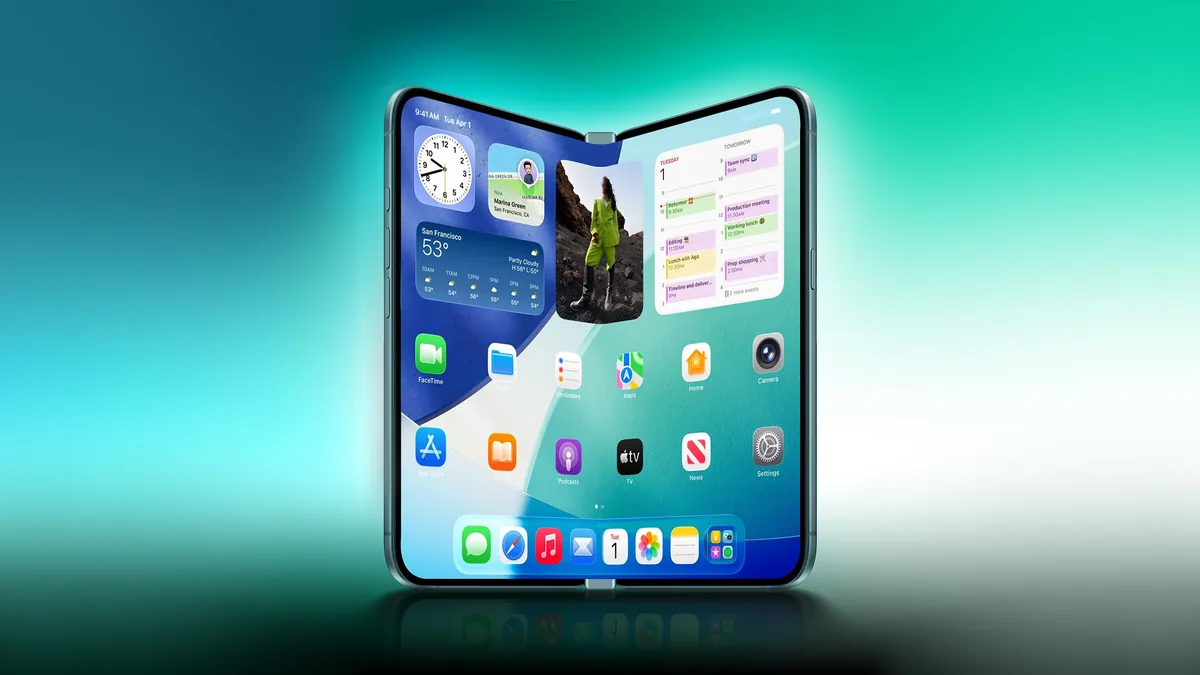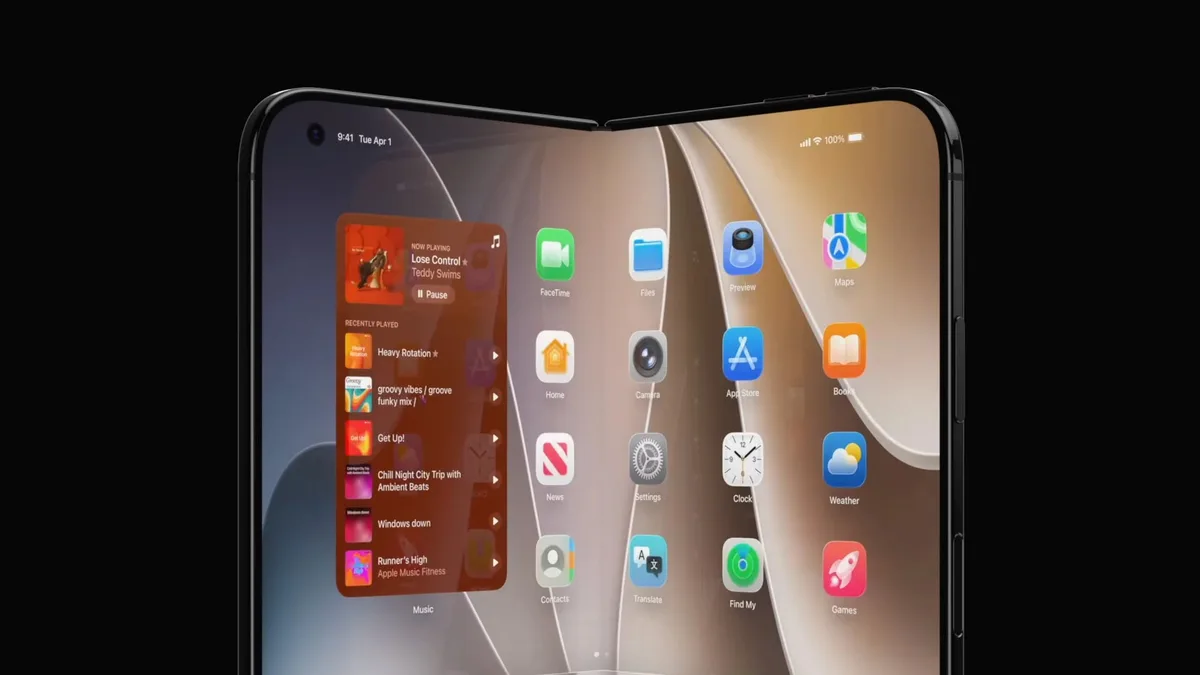
The latest iPhone Ultra resale discussion is a useful correction to the excitement around a possible ultra-premium foldable iPhone. Launch rumors usually focus on screen size, hinge design, cameras, and the expected Apple polish. Resale value asks a colder question: what happens after the first year, when the novelty is gone and the owner wants to upgrade, trade in, or sell?
If a $2,000 iPhone Ultra or foldable-style flagship loses value sharply, the real cost of ownership could feel far heavier than the launch price suggests. Apple devices usually retain value better than many Android rivals, but a new form factor carries unknowns. Repair costs, battery wear, hinge durability, and buyer confidence all affect resale behavior.
This is especially important because foldables are still treated as luxury hardware. A high price can be acceptable if the device keeps its value, works reliably, and remains desirable after one cycle. It becomes harder to justify if depreciation is severe. Buyers who normally upgrade iPhones with confidence may hesitate when the device crosses into laptop pricing.
The resale estimate was discussed by Wccftech, and it pairs naturally with the ongoing foldable iPhone rumor cycle. The launch timing is only half the story; the ownership math may decide how mainstream the device can become.
Depreciation Is a Hardware Feature Too
Resale value reflects trust. When buyers believe a phone will last, receive updates, and remain desirable, they pay more for used units. A first-generation Apple foldable would benefit from the iPhone brand, but it would also carry first-generation questions. Even loyal Apple users may wait for a second version if the trade-in outlook looks uncertain.
The comparison to traditional Pro iPhones is unavoidable. A Pro Max is expensive, but its value is easier to understand because the form factor is proven. A foldable or Ultra-tier iPhone would ask buyers to accept a new category premium. That premium must come with confidence that the product will not feel financially reckless after twelve months.
Apple can reduce that risk through warranty programs, trade-in guarantees, repair pricing, and careful messaging. If the company positions the device as experimental luxury, resale anxiety may grow. If it positions the device as a durable new flagship path with strong support, buyers may be more comfortable.
The resale debate does not mean Apple should avoid an ultra-premium iPhone. It means launch-day spectacle will not be enough. For a device rumored near $2,000, the question is not only whether people want it. The question is whether they can trust the total cost of owning it.
That trust will also depend on how Apple handles accessories and repairs. A foldable-class iPhone may need new cases, screen protection, insurance messaging, and store support that makes owners feel covered. If every accident feels expensive and every trade-in quote feels uncertain, the device could become a status item for a narrow group rather than a believable next step for Pro buyers.
The resale question will also shape carrier offers. Monthly payment plans can hide a high price, but they cannot hide poor trade-in confidence. If carriers and Apple present predictable upgrade paths, more buyers may accept the risk. Without that, the headline price will keep dominating the conversation.