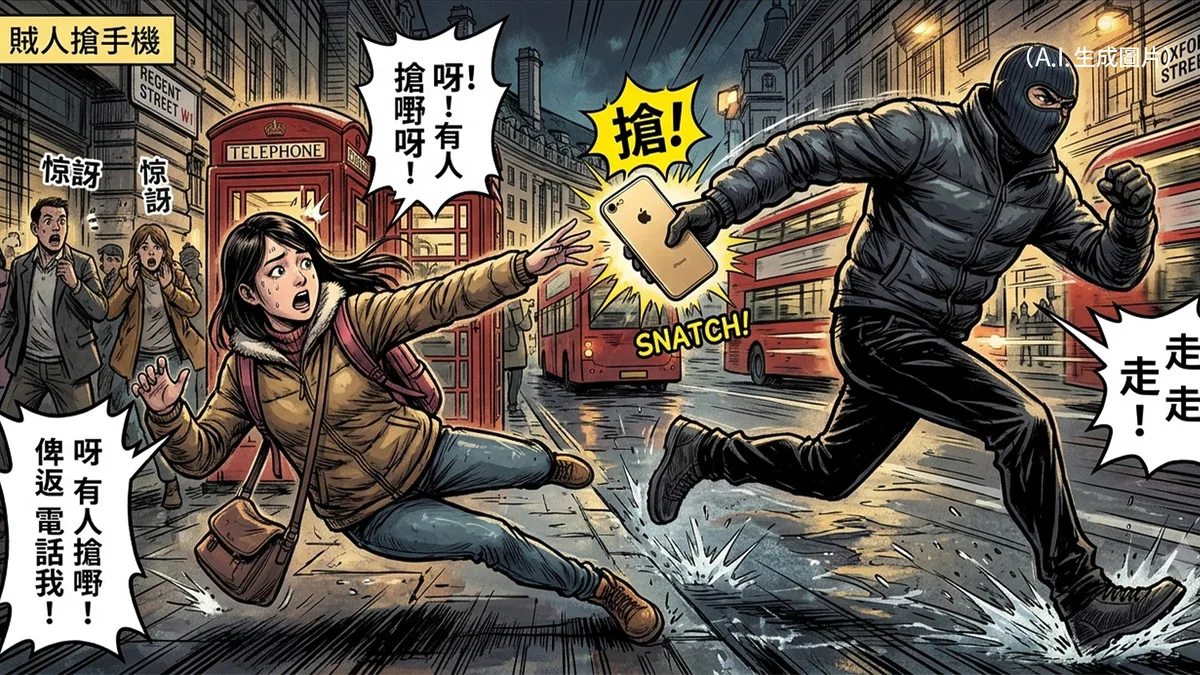
Phone security usually sounds like a settings-menu topic, but the latest London iPhone theft numbers show how deeply it can affect real streets. Chinese-language reporting says London phone thefts have fallen sharply after deeper cooperation between police and Apple, including efforts aimed at making stolen iPhones harder to erase, resell, and reintroduce into the market.
That is important because phone theft is not only about losing a gadget. A stolen iPhone can expose banking apps, identity documents, private photos, messages, work accounts, and location history. It can also create a replacement cost that hurts far more than the hardware price suggests. When theft becomes organized, technical security has to work with policing, resale controls, carrier behavior, and user education.
Apple has spent years building features that make stolen devices less valuable, including Activation Lock, Find My, Lost Mode, and more recent protections around account changes. The strongest security systems are not the ones users admire every day; they are the ones criminals quietly learn to avoid. That is why stories about phone theft overlap with broader mobile-safety coverage such as wearable privacy defaults, where protection must be designed before something goes wrong.
PCM reported that London phone theft cases dropped by about 18% over the past year, with Westminster seeing a much larger reduction, while police worked with Apple to target the stolen-phone trade. The exact impact of each measure is difficult to separate, but the direction is meaningful.
The resale market is the key pressure point. A stolen phone has value only if someone can unlock it, strip it for parts, export it, or deceive a buyer. If Apple and law enforcement make those routes harder, theft becomes less profitable. That does not eliminate opportunistic crime, but it can reduce organized demand. Criminal behavior often follows margins just like legitimate markets do.
Tourists and students feel that difference quickly. A city where phone snatching is common changes how people hold devices, navigate streets, take photos, and pay for transit. Better theft deterrence can make a phone feel safer to use in the open.
Users still have responsibilities. Strong passcodes, Face ID, Find My, stolen-device protections, SIM security, and fast reporting all matter. People should also be cautious in crowded areas where snatch theft is common. But individual habits are not enough if the stolen-phone pipeline remains profitable. The London example suggests platform-level controls and enforcement coordination can change incentives at scale.
There is also a competitive angle. As phones become wallets, keys, IDs, and work devices, security becomes a purchasing reason. Apple already uses privacy and safety as brand pillars, and real-world theft reduction gives those claims more weight. Android brands and Google have their own anti-theft tools, but the ecosystem with the clearest story may win more trust from families, travelers, and business users.
The broader lesson is that smartphone security has left the spec sheet. It now affects public safety, resale economics, insurance costs, and the confidence people feel when using a phone in a busy city. If Apple can help make stolen iPhones less useful to thieves, that is not just a feature. It is a form of street-level product design.