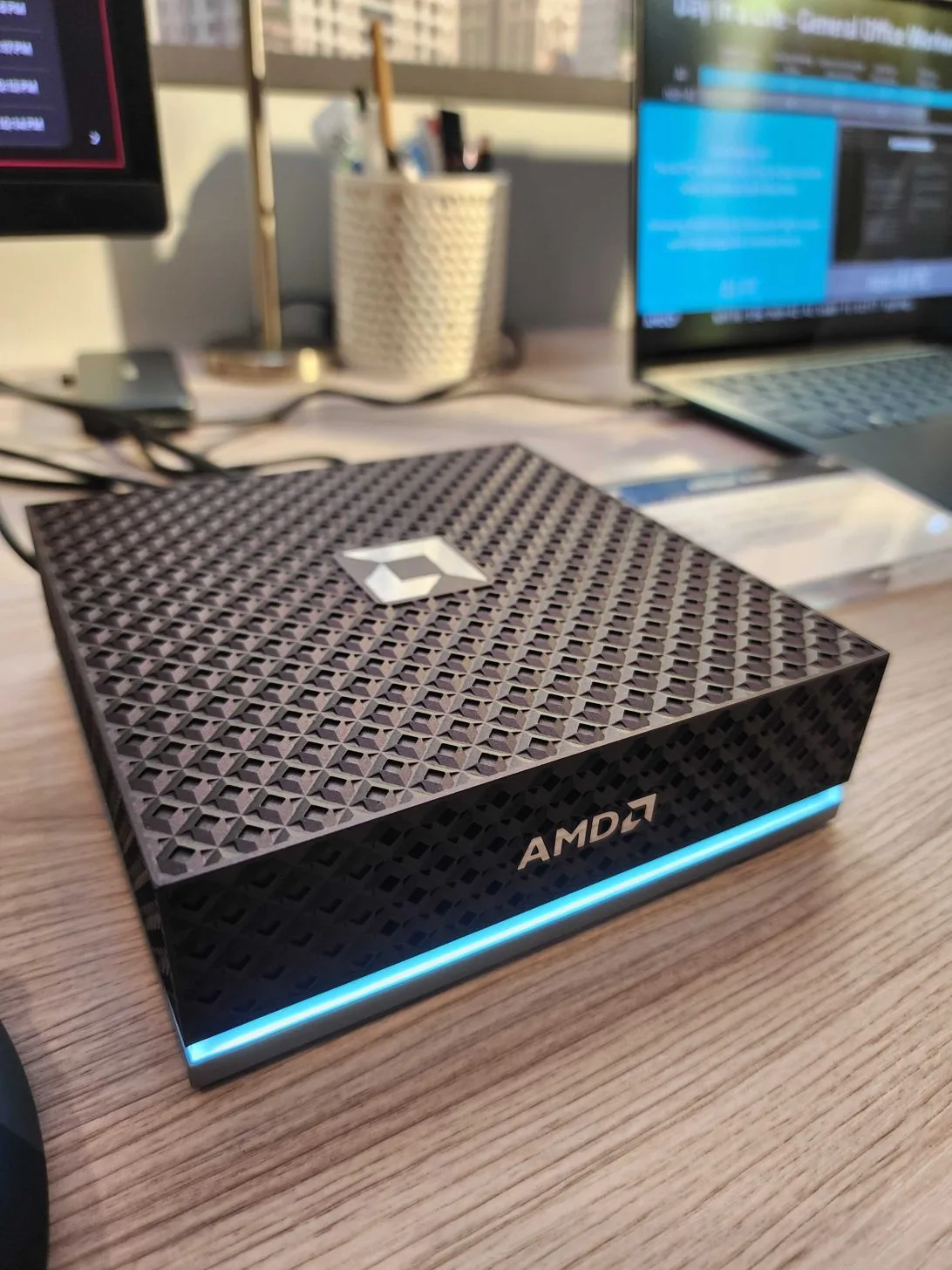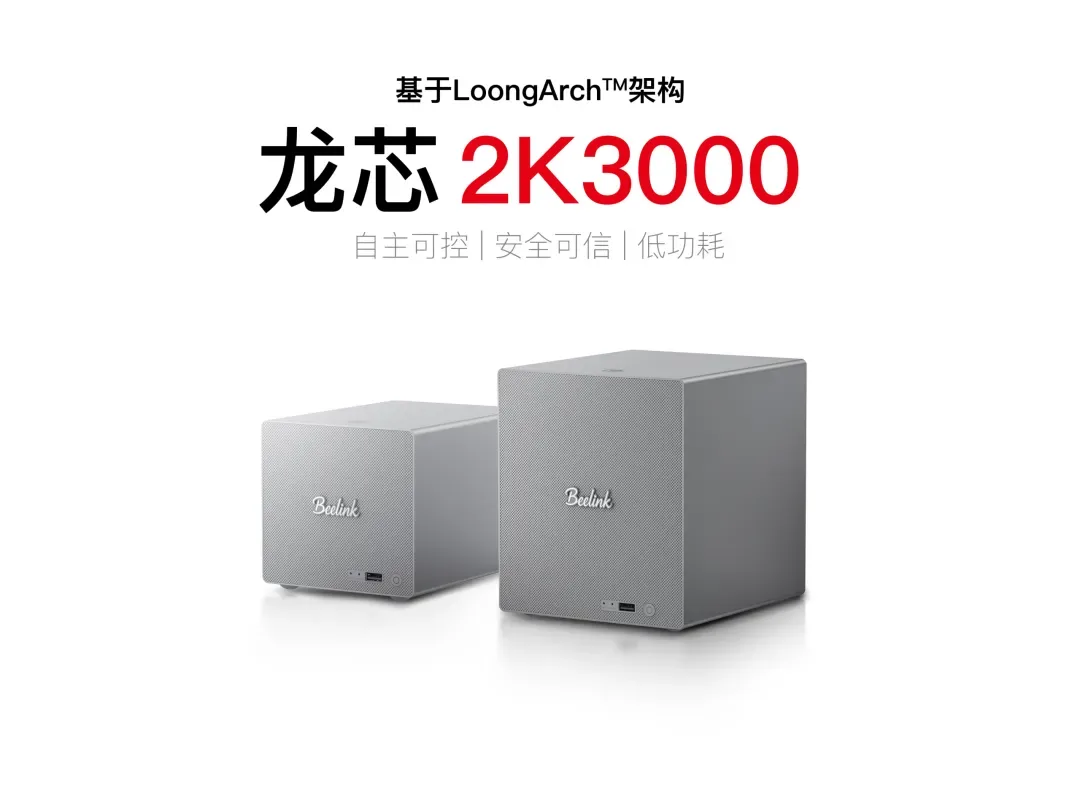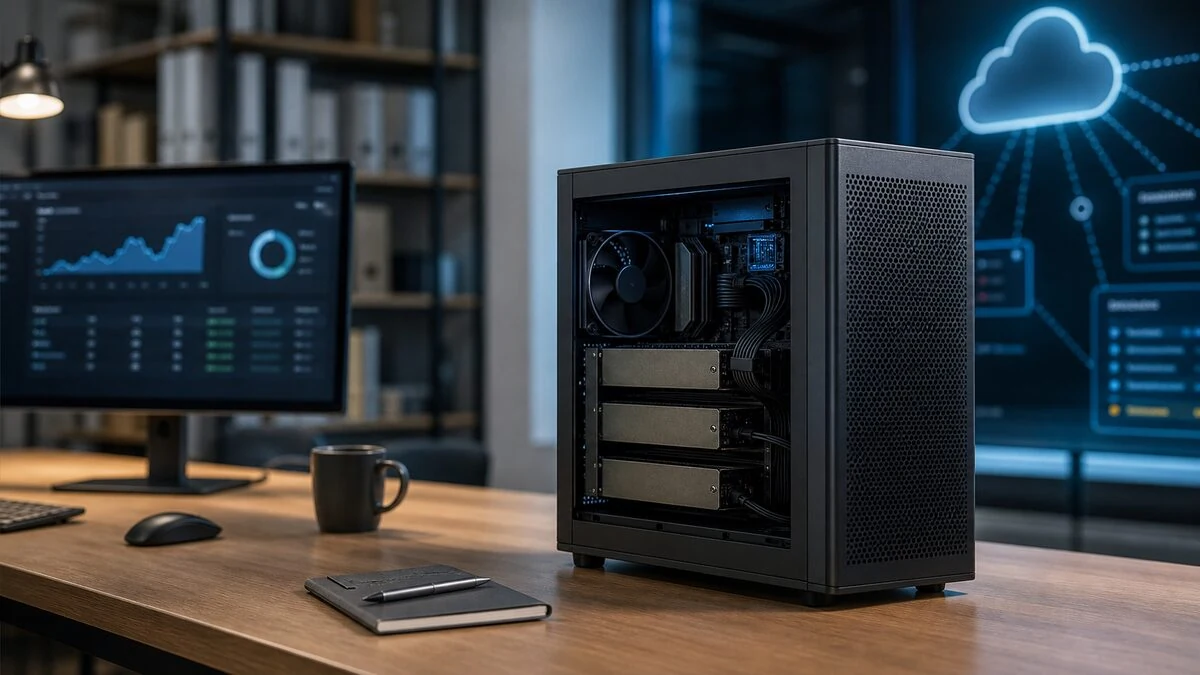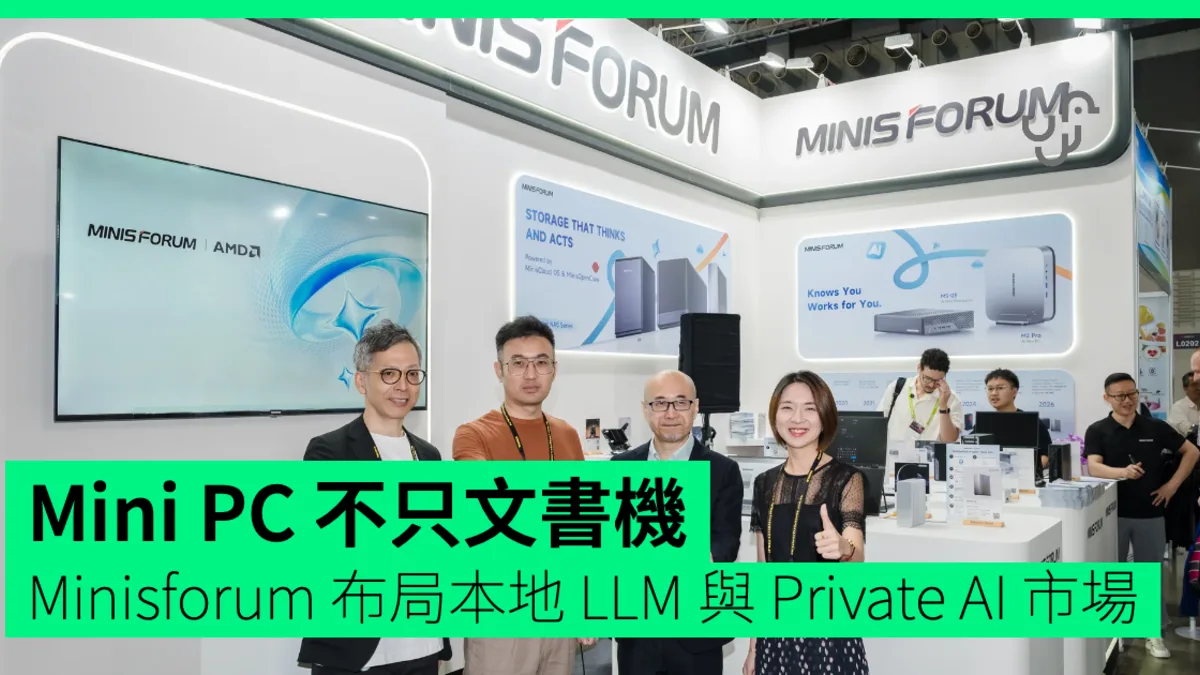
Mini PCs are trying to become more than tiny desktop replacements. The local LLM push gives them a sharper identity: private AI boxes for homes, studios, offices, and developers who do not want every prompt to leave the room. That is a more useful story than simply saying a small PC has a faster processor.
Local AI is attractive for several reasons. It can reduce cloud costs, protect sensitive files, work during connectivity problems, and give teams more control over model behavior. The tradeoff is that local systems need enough memory, storage, cooling, and software support to avoid feeling like demos. A compact box has to be powerful without turning into a noisy heater.
Minisforum is a logical brand to watch because mini PCs already appeal to tinkerers, small offices, and space-constrained setups. If the company can package NPU, GPU, and memory options clearly, it could make private AI feel less like a workstation purchase and more like a practical desk appliance.
Unwire reported that Minisforum is positioning mini PCs around local LLM and private AI scenarios. The Hong Kong Chinese-language coverage shows how AI hardware marketing is spreading beyond laptops and cloud servers.
The direction matches what we covered in local AI PC reporting. The question is not whether every user needs a local model. The question is which tasks become more comfortable when the data never leaves the machine.
Mini PCs still need better software stories. Buyers should not have to assemble drivers, model runners, quantization choices, and security settings from scattered forum posts. The winning products will bundle local AI in a way that feels manageable: clear setup, privacy controls, model updates, and honest performance targets. If Minisforum can do that, the mini PC could become one of the more practical homes for private AI.
Small businesses could be a strong audience. Many teams want AI help with internal documents, customer notes, product information, or support drafts, but they are wary of sending everything to a public cloud tool. A compact local system could give them a controlled starting point if setup and maintenance are not painful.
Performance expectations must be honest. A mini PC will not replace a data-center GPU cluster, and users should not be told otherwise. The value is in right-sized tasks: retrieval over private files, meeting summaries, local coding help, image sorting, and specialized assistants that do not need frontier-scale reasoning.
The category will need better labels. NPU TOPS, GPU VRAM, system memory, and model size are confusing for normal buyers. If Minisforum and rivals want private AI to sell, they should explain which models run smoothly, how private data is stored, and what the box can realistically do offline.
Security will become a selling point if vendors handle it well. A local AI box should offer encrypted storage, simple permission controls, update signing, and a clear way to delete model histories. Private AI loses its appeal if the device itself becomes another poorly maintained endpoint on the network.
The opportunity is strongest if vendors keep the pitch practical. A mini PC that summarizes a team's documents securely is easier to sell than one promising vague artificial general intelligence on a desk. Private AI becomes credible when the use cases are specific, repeatable, and cheaper than cloud dependence.