The Nintendo Switch Joy-Con drift story refuses to disappear because it touches something deeper than one controller defect. Handheld gaming hardware is built on trust. Players hold the device for hundreds of hours, carry it through travel, hand it to children, and expect the controls to stay accurate. When analog sticks begin moving without input, the problem feels personal because it breaks the physical connection between player and game.
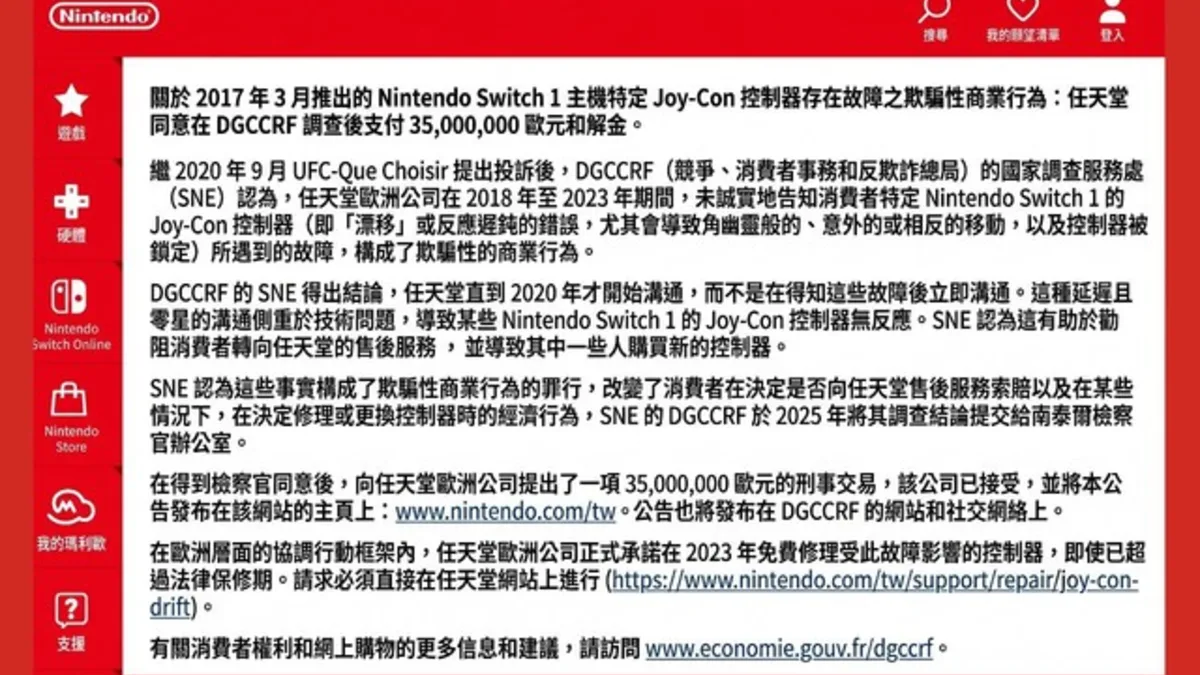
Fresh Chinese-language coverage of French enforcement action against Nintendo brings that issue back into focus. The reported penalty is tied to claims that Nintendo did not properly disclose or handle the drift problem, and that kind of regulatory response matters for the entire handheld market. Gaming devices are now expensive, connected, and long-lived enough that hardware flaws cannot be treated as minor annoyances.
The Switch also shaped expectations for every portable gaming device that followed. Steam Deck, Windows handhelds, Android gaming tablets, and cloud-gaming devices all compete in a world Nintendo helped normalize. That means stick durability, repair access, replacement parts, and warranty clarity are not small details. They are core product features, just like screen quality or battery life. Recent stories about SteamOS on Intel handheld PCs show how quickly this category is broadening.
HKEPC reported that French authorities imposed a significant fine related to Nintendo's handling of Switch Joy-Con drift and required public notice of the decision. The details are important, but the larger signal is clearer: regulators are increasingly willing to treat repeated hardware problems as consumer-rights issues rather than just product-support headaches.
For Nintendo, the reputational cost is larger than any one fine. The Switch is one of the most successful game systems ever made, but Joy-Con drift became part of its identity for many owners. Even players who loved the console learned to keep spare controllers, seek repairs, or buy alternatives. That kind of workaround culture can quietly damage loyalty, especially when a successor product arrives.
The broader industry should pay attention. Handheld gaming devices are under more stress than living-room consoles. They face drops, dust, backpacks, temperature changes, snack-covered hands, and long sessions. Controls are also harder to ignore than a background software bug. If a stick drifts, the entire device feels unreliable, even if the processor, screen, and game library are excellent.
Repairability is likely to become a stronger selling point. Modular sticks, hall-effect sensors, easier replacement kits, and transparent warranty terms can help brands stand apart. Some enthusiast devices already advertise better stick technology because buyers have become educated by years of drift complaints. Nintendo's experience helped create that awareness, even if unintentionally.
Software calibration can help, but it cannot replace durable parts. Players may tolerate an occasional recalibration screen; they will not tolerate a premium handheld that turns movement into guesswork after normal use. The physical interface is part of the game design.
The latest enforcement story is therefore not only about the original Switch. It is a warning for every company building portable hardware. Fun can sell a device once, but trust keeps it in use. If handheld gaming is going to keep expanding, the physical controls must be treated as mission-critical parts, not cheap replaceable accessories.