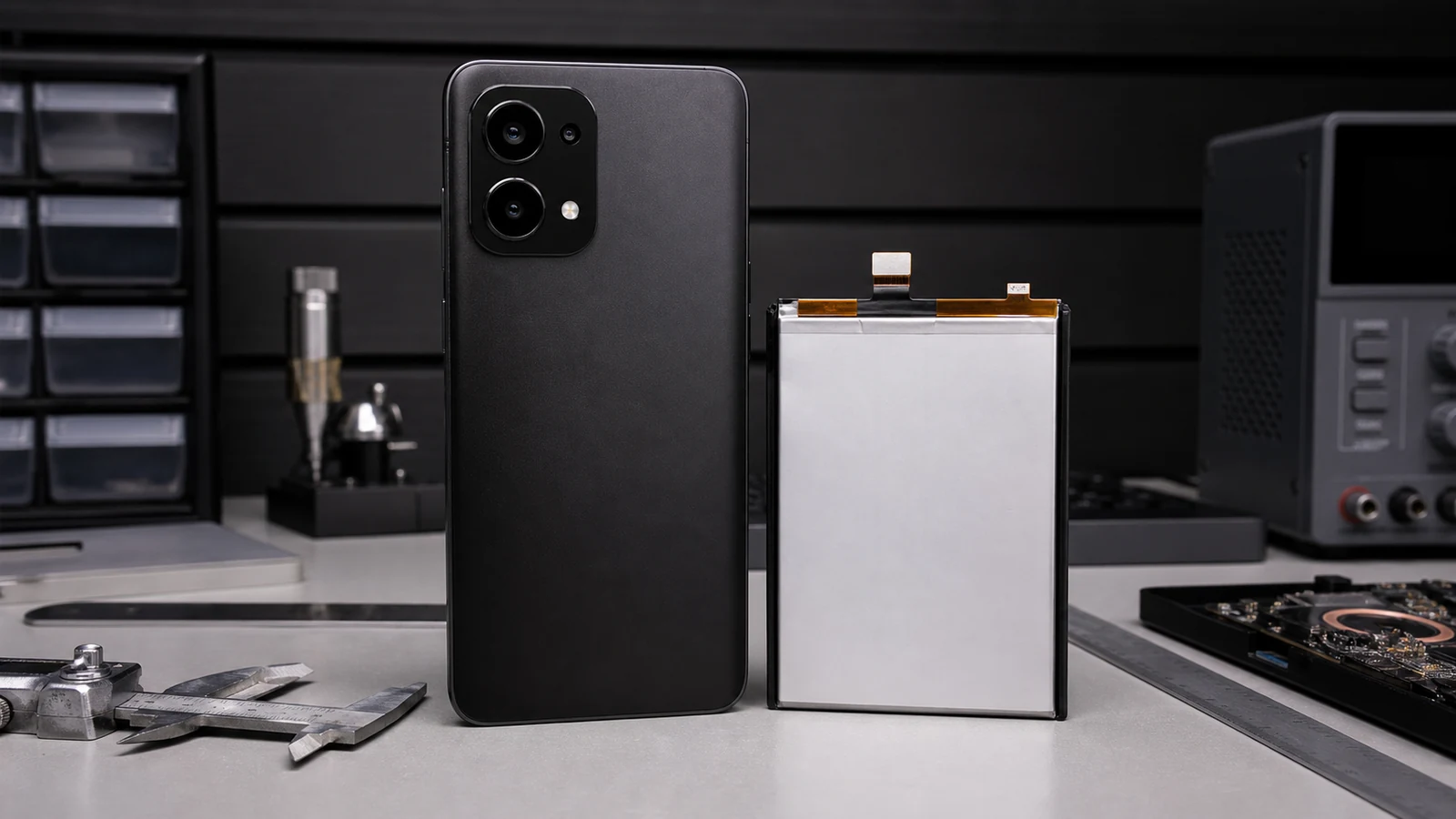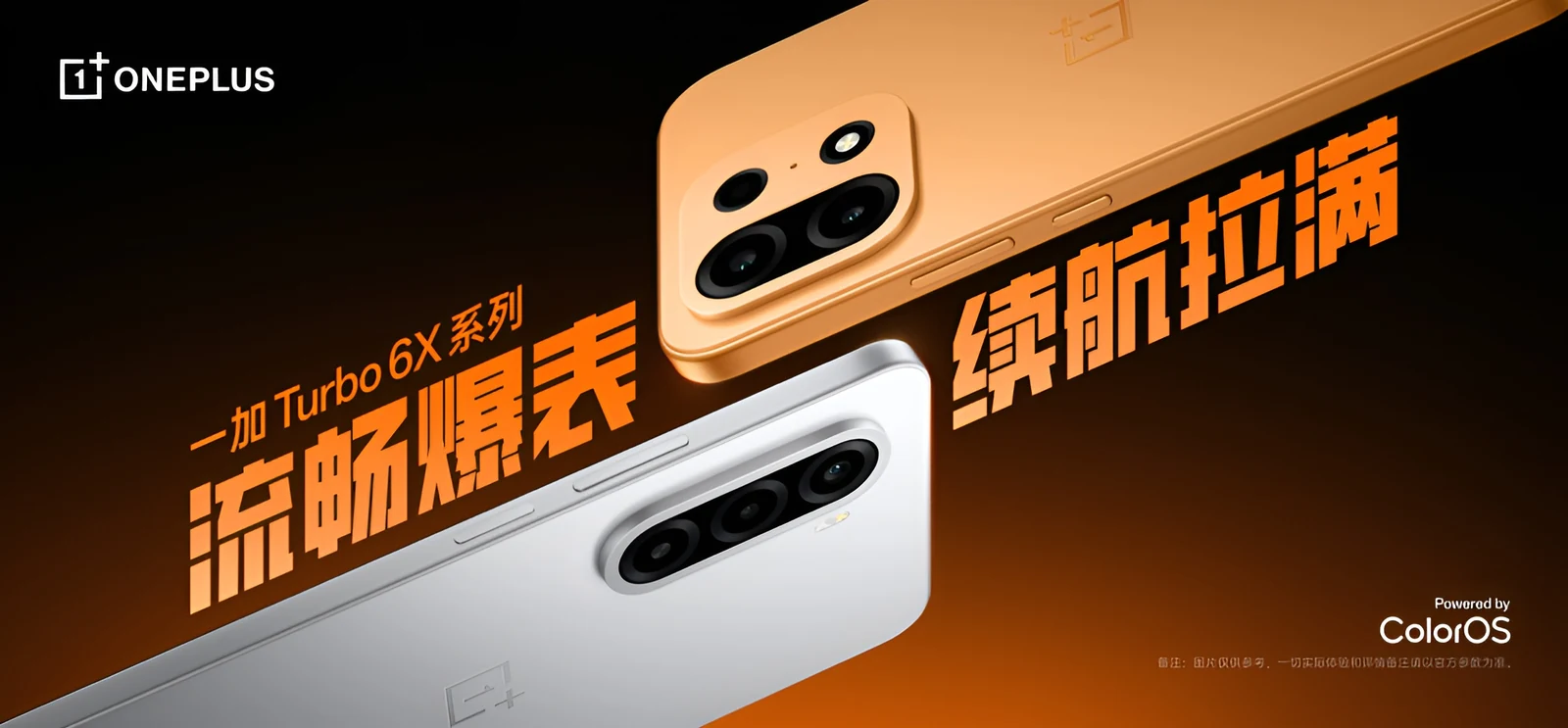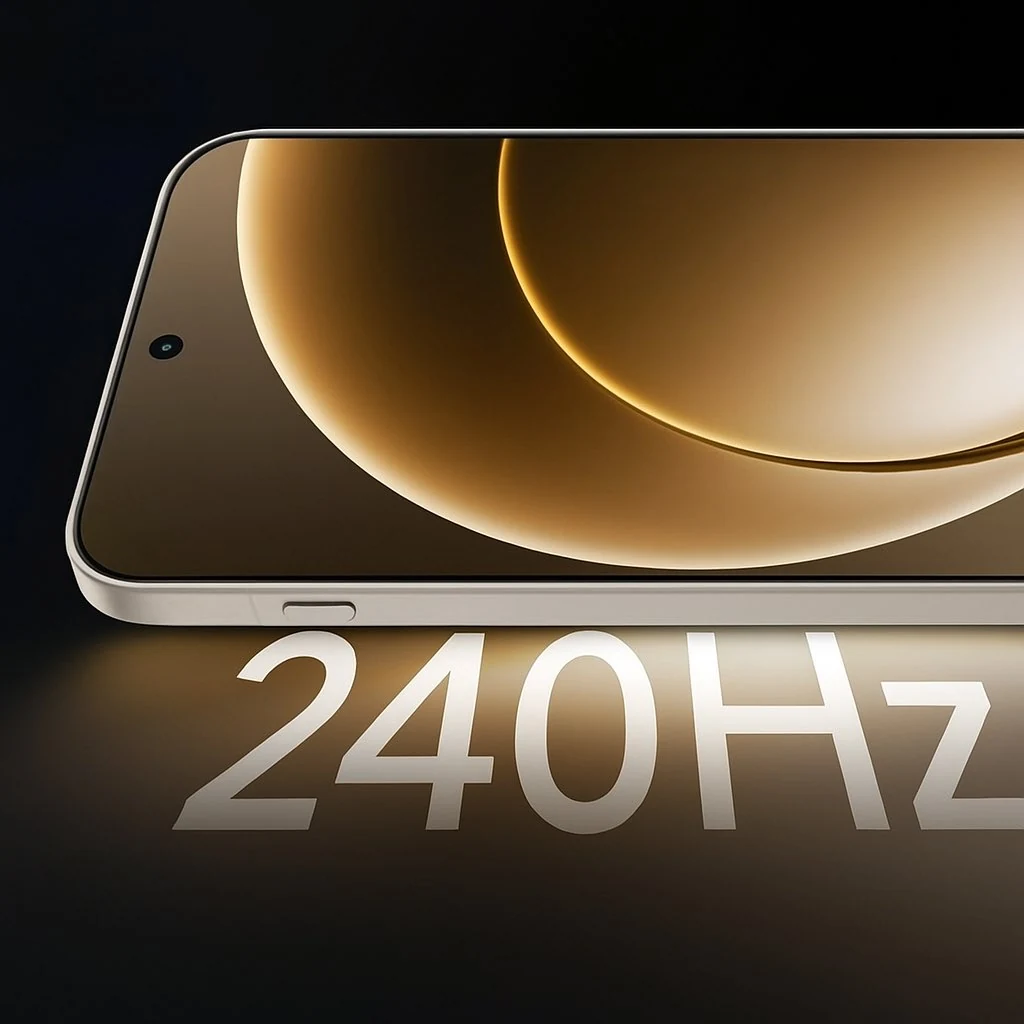
The OnePlus 240Hz rumor pushes smartphone display marketing into a place where the question is no longer whether the number is impressive. It is whether the number is useful. A 240Hz panel would sound dramatic on a spec sheet, especially for gaming, but the real experience depends on battery life, touch response, game support, thermal limits, and whether the software can sustain those frame rates.
High refresh rates changed phones for the better when 90Hz and 120Hz panels became common. Scrolling felt smoother, animations looked cleaner, and phones stopped feeling like they were dragging behind the user. The jump from 120Hz to 240Hz is different. It can help in narrow use cases, but the everyday benefit may be harder to see.
Gaming phones have already made this argument in a more focused way. The Redmagic 11S Pro showed how cooling, controls, and display tuning have to work together before a phone feels like a serious handheld rival. A high refresh number alone cannot carry the whole product.
The hidden cost of smoother screens
A 240Hz display can drain power faster if it is not managed carefully. Adaptive refresh technology helps by lowering the rate when the screen does not need to update quickly, but gaming and certain touch-heavy tasks still create load. That means battery size, display driver efficiency, and thermal behavior become part of the display story.
Game support is another limitation. A phone can have a 240Hz panel and still spend most of its time showing games capped below that rate. Developers must optimize for high frame rates, and the processor must hold performance without throttling. Otherwise the feature becomes a short benchmark burst instead of a daily advantage.
There is also a perception problem. Many buyers can clearly feel the jump from 60Hz to 120Hz. Fewer will notice 165Hz or 240Hz in normal app use. OnePlus would need to explain the benefit through touch latency, gaming response, or competitive play rather than simply shouting a larger number.
That does not make the rumor meaningless. Display innovation often starts at the edge before it becomes efficient enough for mainstream use. If OnePlus can pair 240Hz with smart battery controls and strong thermal design, it could build credibility with gamers. If not, it risks proving that refresh-rate marketing is reaching its ceiling.
There is a professional angle as well. High refresh displays can help stylus input, remote desktop work, cloud gaming, and fast camera viewfinders if the entire pipeline is optimized. That gives OnePlus more room to justify the feature than gaming alone. Still, the company should be careful with expectations. The 240Hz claim from Gizmochina is technically interesting, but a smoother display cannot fix inconsistent software, poor touch rejection, or weak battery tuning. The most convincing version of this rumor would pair 240Hz with adaptive controls that are invisible to the user. The phone should feel fast when it needs to and efficient when it does not. Anything else would turn a technically impressive panel into a battery liability.