OpenClaw's companion-node idea is interesting because it treats the phone as more than a chat window. A phone can become a sensor, an approval remote, a voice interface, and a context source for a self-hosted agent. That is a more ambitious model than simply shrinking a web dashboard to fit a small screen.
The approach also reflects a practical truth about agents. People do not want automation that vanishes into the background without supervision. They want the system to ask before sensitive actions, show what it is doing, and use nearby context when helpful. Mobile devices are already where people approve payments, logins, and messages. AI approvals naturally fit there if the experience is clear.
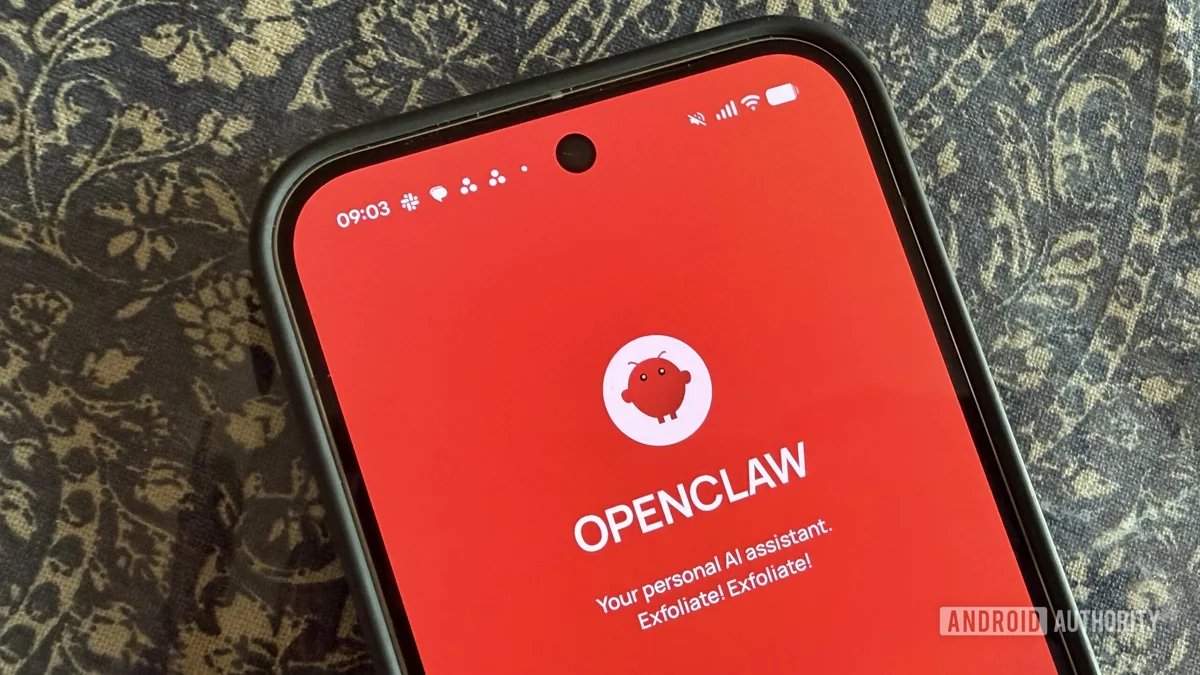
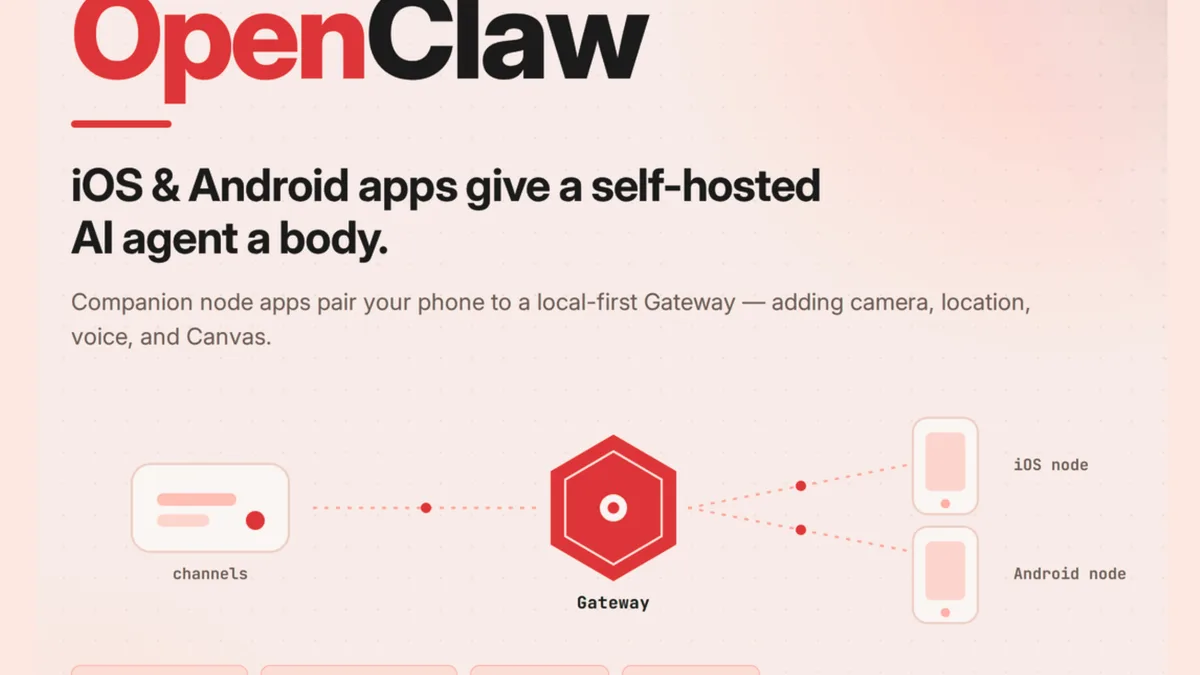
MarkTechPost describes OpenClaw's iOS and Android companion apps as nodes that connect a phone to a self-hosted AI agent gateway. That architecture matters because it separates the agent's backend from the device that supervises it.
The idea sits beside our broader coverage of long-horizon AI agent work. Better models help, but agents also need human control surfaces. Without that, a more capable system can simply make bigger mistakes faster.
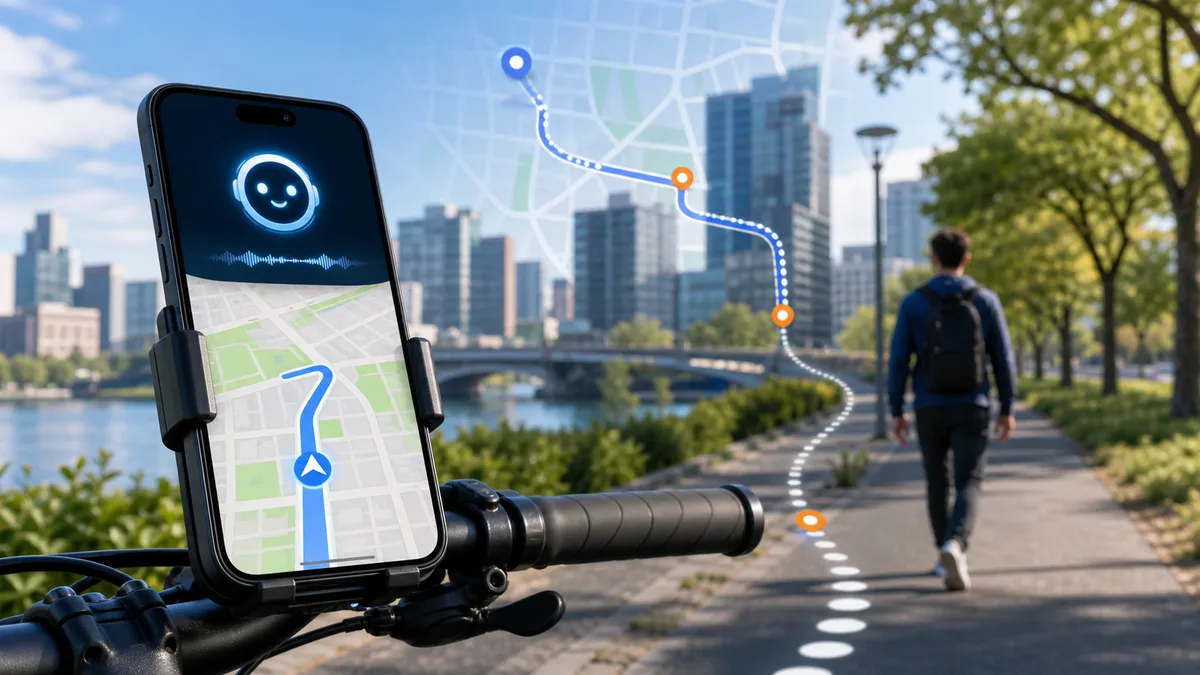
Camera and location access are the powerful pieces. A phone can let an agent understand a room, a receipt, a product label, a meeting board, or a route. But every permission also raises privacy and security questions. OpenClaw's self-hosted pitch may appeal to technical users precisely because they can decide where data flows.
Reliability will decide whether the architecture becomes useful beyond enthusiasts. Approval notifications must arrive quickly. Voice input must be accurate enough to trust. The app should make it obvious which action is being approved, which model produced the recommendation, and what data will be used. Those details are not glamorous, but they determine whether people keep the tool installed.
The companion-app launch is a sign that agent design is becoming more physical. AI will not live only in browser tabs or developer terminals. It will need pockets, cameras, microphones, and permission prompts. OpenClaw's model may be early, but it is pointing at the right interface problem.
The phone also gives agents a social boundary. A desktop agent may feel invisible while it works in the background, but a mobile approval prompt can make responsibility explicit. That is useful for households, small teams, and developers who want automation without losing control. OpenClaw's companion model is early, yet it understands that human supervision has to be designed into the workflow.
A good companion app could also create better incident recovery. If an agent gets stuck, proposes a risky action, or needs additional context, the phone is the fastest place to intervene. That makes mobile less of an add-on and more of a safety layer. The product should make pausing, reviewing, and reversing actions easy. Agent tools will not win trust by claiming they never fail. They will win trust by making supervision and correction feel natural.
The next useful step would be shared controls. Families and teams may want one person to configure an agent while another person approves specific actions. Mobile apps are well suited to that split. If OpenClaw handles roles cleanly, it can make self-hosted agents feel less like a solo developer project.